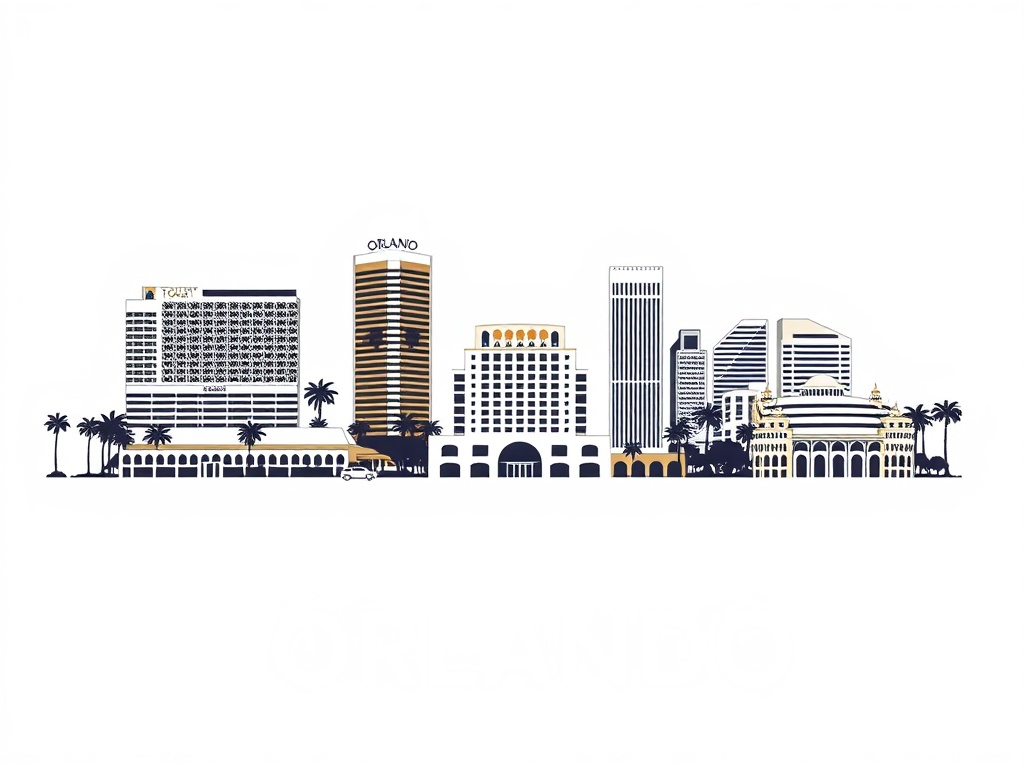
Orlando Reimagined: A Guide to Neighborhoods, Tech Jobs, Dining & Sustainable Living Beyond Theme Parks

Orlando has long been synonymous with theme parks, but the city’s identity has broadened into a multifaceted urban center where tourism, technology, healthcare, and grassroots culture intersect. That shift makes Orlando an attractive destination for travelers, professionals, and investors who want more than the traditional attractions.
A diversified economy
Tourism remains a backbone, but Orlando’s economy now includes a robust technology and life sciences sector.
Research collaborations, university-driven innovation, and a thriving startup scene have created an ecosystem that supports simulation technologies, health tech, and software development.
Medical and sports performance research campuses are drawing talent and capital, while proximity to major attractions continues to support hospitality, dining, and events.
Neighborhoods that balance life and play
Neighborhoods such as downtown, Winter Park, and communities around airport and lakes offer a mix of walkability, nightlife, parks, and residential options. Newer master-planned communities emphasize green space, mixed-use development, and access to schools and health services.
For people moving to the area, the appeal is often the ability to enjoy outdoor recreation, cultural amenities, and family-friendly neighborhoods without sacrificing job opportunities.
Transportation and connectivity
Orlando’s transportation landscape is evolving to match growth.
The international airport serves as a major gateway with expanding international routes, while rail and road projects are improving regional connectivity.
Local transit and micro-mobility options, including bike lanes and shared scooters, are making short trips easier in many districts. For visitors, improved transportation helps get from hotel to park, convention center, or neighborhood restaurant with less friction.
A changing culinary and arts scene
Beyond theme-park dining, Orlando’s food scene has matured into a vibrant mix of global flavors and farm-to-table concepts. Food halls, chef-driven restaurants, and craft breweries have popped up across neighborhoods, and culinary festivals showcase the region’s diversity. The arts scene follows suit: galleries, live music venues, and performance spaces bring local creativity to the forefront, with independent theaters and street festivals offering alternatives to mass-market attractions.
Sustainability and resiliency efforts
With a subtropical climate and abundant lakes, Orlando is focusing on water management, coastal resiliency, and greener development. New building standards, conservation projects, and urban tree initiatives reflect a commitment to resiliency while preserving the natural amenities that draw residents and visitors.
These efforts aim to balance growth with long-term environmental stewardship.
Events and conventions
Orlando’s convention infrastructure keeps the city on many event planners’ shortlists.
Conferences, trade shows, and esports events continue to drive year-round demand for hotels and nightlife. For businesses, the ability to host large-scale events while offering leisure options for attendees is a major competitive advantage.
Practical tips for visitors and newcomers
– Plan beyond the parks: explore neighborhoods, local dining, and outdoor attractions like lakes and trails.
– Use transit and micro-mobility for short trips in dense areas to avoid parking hassles.
– Book accommodations near the neighborhoods you want to explore to reduce commute times.
– Keep an eye on event calendars—conventions and major events can affect pricing and availability.
Orlando’s transformation is a case study in how a city known for one industry can evolve into a diversified urban hub. Whether you’re visiting for business, relocating for work, or exploring new neighborhoods, the city offers a blend of entertainment, innovation, and lifestyle that continues to attract attention and investment.