Adapting Miami to Saltwater Flooding: Resilience Strategies for Homes, Businesses & Communities

Miami’s coastal charm comes with a clear challenge: salt water and storms are reshaping how the city builds, lives, and plans for the future.
Because of low-lying neighborhoods and porous limestone geology, occasional sunny-day flooding is no longer unusual, and extreme weather can turn familiar streets into waterways. That reality is driving a wide range of resilience strategies—from engineering projects to nature-based solutions—that residents and property owners should know about.
Why flooding is different here
The combination of tidal ranges, storm surge risk, and groundwater rise means flooding in Miami can come from above and below. King tides and high tides push seawater into canal systems and low-lying streets, while heavy rainfall can overwhelm drainage. Subsurface infiltration through porous ground also complicates efforts to keep basements and foundations dry.
City and regional responses
Local municipalities and county agencies are investing in layered approaches rather than single fixes. Engineering projects focus on improving pump capacity, elevating critical roadways, and redesigning stormwater systems. Building codes and permitting processes are being updated to encourage higher finished-floor elevations, flood-resistant materials, and elevated utilities.
At the same time, planners increasingly favor living shorelines and wetland restoration to absorb wave energy and store floodwater. Restoring mangroves, creating urban wetlands, and conserving natural buffers reduce erosion and provide ecological benefits while complementing hard infrastructure like seawalls and flood gates.
Technology, funding and community planning
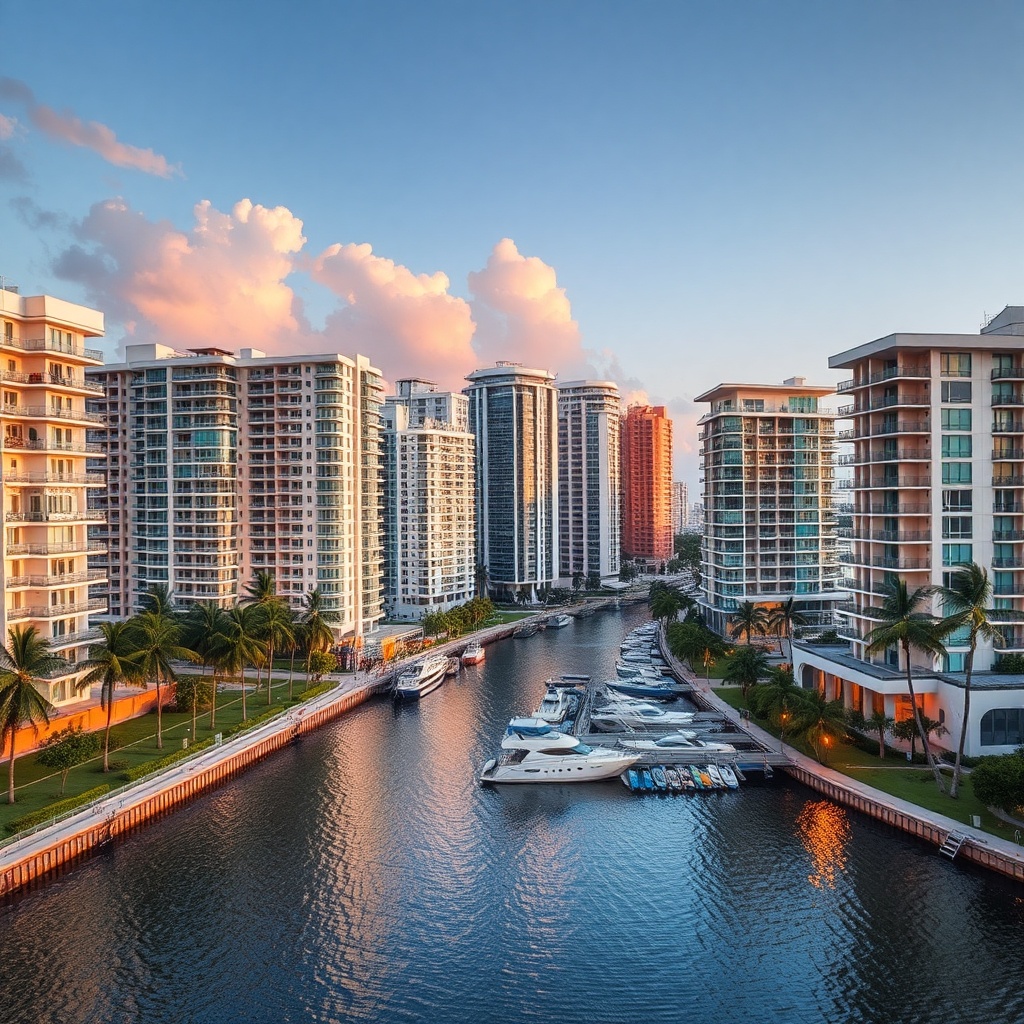
Resilience projects are being supported by a mix of public funds, private investment, and federal grants. Microgrid pilots and distributed energy systems are being explored to maintain power during outages, particularly for hospitals and emergency centers. Data-driven flood maps and real-time monitoring tools help planners and residents anticipate problem areas and prioritize investments.
Insurance market pressures have pushed both homeowners and developers to think differently about risk. Rising premiums in some neighborhoods are prompting more demand for resilient construction, floodproofing, and relocation strategies. Affordable housing remains a central concern; equitable solutions aim to protect vulnerable communities from displacement and disproportionate exposure to risk.
Practical steps for homeowners and businesses
– Elevate utilities: Move HVAC units, electrical panels, and water heaters above expected flood levels where possible.
– Install backflow preventers and check valves on sewer lines to keep sewage from backing into buildings during heavy flooding.
– Retrofit with flood-resistant materials for walls and floors on ground levels, and use corrosion-resistant fasteners and finishes.
– Improve drainage: Add sump pumps with battery backups, create rain gardens, and use permeable paving to reduce runoff.
– Landscape smartly: Choose native, salt-tolerant plantings and restore vegetative buffers to slow water and reduce erosion.
– Prepare an emergency plan and build an evacuation kit geared to local needs and mobility constraints.
How neighborhoods can help
Community engagement makes large-scale resilience more effective.
Neighborhood associations can advocate for targeted infrastructure projects, participate in restoration volunteer days, and share best practices for home retrofits. Local businesses can invest in resilience upgrades to protect supply chains and maintain operations during storms.
Adapting to changing coastal conditions is an ongoing process.
Combining smart engineering, natural systems, equitable policy, and community action makes Miami more livable and prosperous while preserving the qualities that draw people to the city’s shores.
