
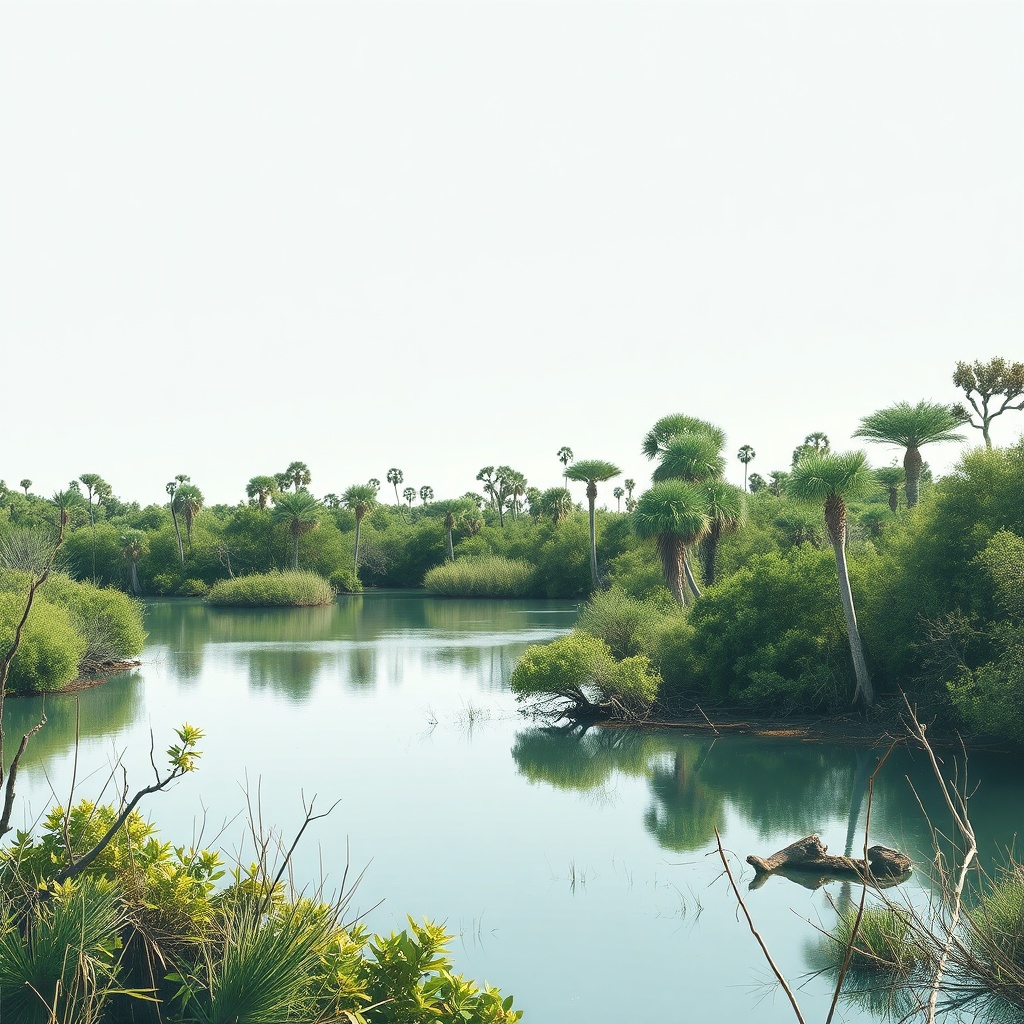
The Everglades is a mosaic of sawgrass marshes, mangrove estuaries, pine rocklands, and coastal flats—a living, breathing watershed that supports unique wildlife and provides critical flood control, water filtration, and carbon storage. Recent conservation attention highlights one simple truth: keeping freshwater moving through the landscape is central to the Everglades’ health.
How water shapes the landscape
The Everglades depends on slow, sheet-like flow from the interior toward the coast. When that flow is interrupted—by canals, levees, or excess freshwater diverted for development—saltwater pushes inland, seagrass beds decline, and wading birds lose nesting habitat. Restoring more natural hydrology helps revive sawgrass marshes, supports estuarine fisheries, and protects freshwater supplies for communities downstream.
Top threats and why they matter
– Altered freshwater flow: Disrupted timing and volume of water reduce habitat connectivity and harm species that rely on seasonal drying and flooding.
– Water quality: Excess nutrients from urban and agricultural runoff encourage invasive plants like cattails and degrade fish and bird habitat.
– Invasive species: Nonnative predators, such as large constrictor snakes, reduce populations of small mammals and ground-nesting birds, upsetting food webs.
– Sea-level rise and storms: Higher tides push saltwater into low-lying wetlands and change mangrove and marsh distribution, challenging native plant communities and wildlife.
Wildlife to watch for
The Everglades supports iconic species—wading birds, American crocodiles, and elusive top predators—and also many lesser-known specialists like marsh birds and mangrove-dependent fish. Healthy freshwater flow benefits migratory shorebirds and nesting colonies, while intact mangroves protect coastal nurseries for snook, tarpon, and juvenile shrimp.
What restoration looks like
Restoration strategies focus on re-establishing natural water flows, improving water quality, and reconnecting fragmented habitats.
That can mean removing barriers, modifying water-control structures to mimic seasonal pulses, and investing in stormwater and agricultural best practices to reduce nutrient loads.
Restored freshwater movement helps rebuild peat soils, supports native vegetation patterns, and enhances the resilience of coastal estuaries against saltwater intrusion.
How visitors and residents can help
– Choose low-phosphorus or no-phosphorus fertilizers and prevent yard runoff to reduce nutrient loads entering the watershed.
– Support native landscaping that uses less water and provides wildlife habitat.
– Respect park regulations: airboats are not permitted inside the national park; instead, opt for guided paddles, boardwalk trails, or ranger-led tours to learn about the ecosystem without disturbing it.
– Volunteer with habitat restoration groups, citizen science projects, or local water-quality monitoring efforts.
Where to experience it
Accessible trails and observation points bring the Everglades to life: boardwalks through marshes, tram tours into dryer prairies, and guided kayak trips into mangrove creeks all offer intimate encounters with the landscape.
Early morning and late afternoon are prime times for birdwatching and seeing wildlife active along shorelines.
The Everglades is not just a natural treasure—it’s a working watershed that connects human communities, coastal fisheries, and continental bird migrations.
Keeping freshwater flowing, cutting nutrient pollution, and controlling invasive species are practical, achievable priorities that sustain the landscape’s ecological and economic benefits for generations of residents and visitors.
