
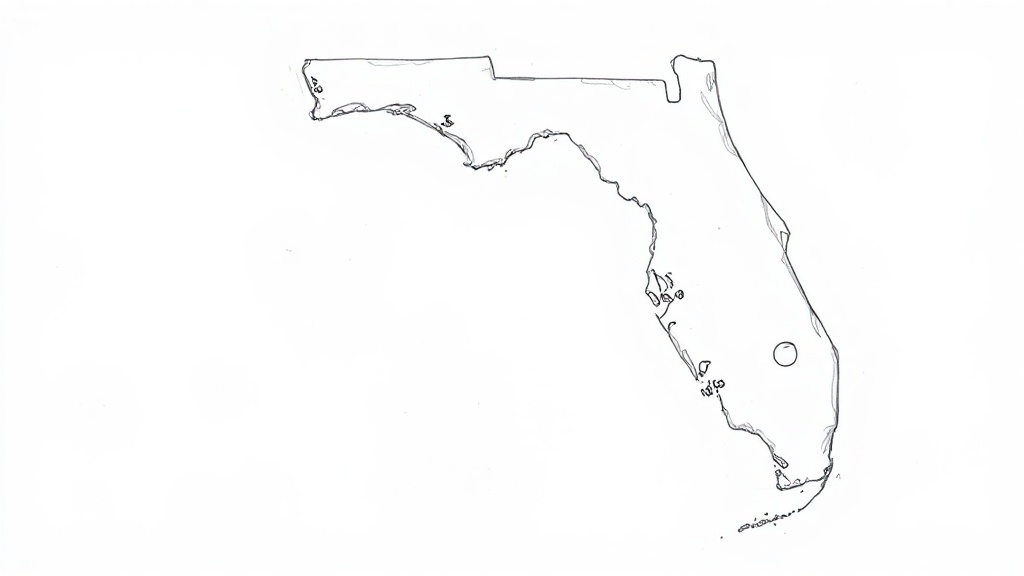
Florida’s coastline faces one of the clearest and most urgent climate challenges: rising seas and more frequent coastal flooding. With thousands of miles of shoreline, low-lying barrier islands, and dense coastal development, the state is on the front line of strategies to protect people, property, and natural systems. Understanding practical approaches to coastal resilience helps residents, planners, and property owners make smarter decisions about safety and long-term value.
How the risk shows up
Higher seas mean that everyday tides can reach places that used to flood only during storms.
Storm surge becomes more damaging when baseline sea levels are higher. Flooding damages homes and infrastructure, strains drainage systems, accelerates erosion, and alters freshwater supplies by pushing saltwater into rivers and aquifers. These shifts also impact critical habitats—mangroves, salt marshes, and seagrass beds—that provide storm protection and support fisheries.
What communities are doing
Local governments, utilities, and conservation groups are combining engineered solutions with nature-based approaches to limit damage and preserve coastal ecosystems:
– Living shorelines: Replacing hard seawalls with natural materials—like oyster reefs, mangrove plantings, and coir logs—reduces erosion, improves habitat, and often costs less to maintain over time. Living shorelines absorb wave energy rather than reflecting it.
– Infrastructure upgrades: Cities are investing in pump stations, raised roadways, permeable paving, and stormwater systems designed to handle frequent nuisance flooding. Some municipalities now require new construction to meet higher elevation standards and wind-resistant designs.
– Managed retreat and buyouts: In locations where repeated flooding makes rebuilding unsustainable, voluntary buyouts and relocation programs move people out of harm’s way and restore vulnerable land to open space or wetlands that buffer future storms.
– Conservation and restoration: Protecting and restoring mangroves, dunes, and wetlands offers dual benefits—reducing flood risk while preserving biodiversity, fisheries, and recreational value.
Insurance and planning implications
Flood insurance premiums, property disclosure rules, and lending standards increasingly reflect flood risk. Homeowners and buyers should check flood maps and talk with local planning departments to understand exposure. Long-term property resilience may hinge on elevation, proximity to tidal creeks, and community adaptation plans.
Practical steps for homeowners
– Review local flood maps and subscribe to community alert systems.
– Elevate critical systems (HVAC, electrical panels) and consider elevating living spaces where feasible.
– Use flood-resistant materials for renovations and install backflow valves on drains.
– Invest in landscaping that improves drainage and supports native coastal vegetation.
– Stay informed about municipal plans for pumps, seawalls, or habitat restoration in your area.
Where to learn more
Trusted sources include NOAA’s coastal resources, FEMA’s floodplain guidance, state and county resilience offices, and extension programs at regional universities.
Local Sea Grant offices and conservation nonprofits also provide practical guidance on living shorelines and habitat restoration.
Adapting to rising seas is a mix of engineering, policy, and community choices. By prioritizing nature-based solutions, updating infrastructure, and planning for long-term change, Florida communities can reduce risk while protecting the coastal lifestyle and ecosystems that so many residents and visitors value.
