Tampa Bay Buccaneers: What to Watch — Quarterback Transition, Defensive Identity, and Roster Moves

The Tampa Bay Buccaneers remain one of the most talked-about franchises in the NFL thanks to a unique mix of legacy moments, a passionate fan base, and ongoing roster evolution. Whether you follow for the franchise’s iconic moments or for game-day drama, there’s plenty to watch as the team navigates a new chapter.
Franchise identity and legacy
The Buccaneers are defined by a bold identity: hard-nosed defense, aggressive playmaking, and a strong community connection centered around Raymond James Stadium and its famous pirate ship. The era highlighted by a high-profile quarterback drew global attention and elevated the franchise profile, but the team’s identity extends well beyond individual stars. That legacy shapes expectations and influences personnel decisions as the front office balances short-term competitiveness with long-term sustainability.
Quarterback transition and offensive direction
Quarterback stability is central to the team’s outlook. After a period anchored by a generational starter, the Bucs are working to establish a new signal-caller who can deliver consistent performances and lead an evolving offense.
Key priorities typically include protecting the quarterback with a sturdy offensive line, developing a coherent play-action and spacing attack that suits the current roster, and integrating young receivers and tight ends into meaningful roles. Success depends on matching scheme to personnel and maintaining flexibility to adjust mid-game and week-to-week.
Defensive identity and pass rush
The Buccaneers have long leaned on physical defense and a disruptive pass rush. Keeping pressure on opposing quarterbacks without over-committing with blitzes requires strong edge play, interior disruption, and a secondary that can capitalize on turnovers.
Investing in draft picks and smart free-agent signings to maintain depth along the defensive line and in the linebacker corps is essential for sustained competitiveness.
Roster building and salary-cap management
Effective roster construction combines strategic drafting, targeted free-agent moves, and prudent salary-cap management. The front office’s ability to identify undervalued players, develop young talent, and allocate cap space to impact positions will define the team’s trajectory. Depth across skill positions and continuity along the offensive line often prove decisive over a long season.
What fans should watch
– Quarterback play and offensive cohesion: early-season rhythm and chemistry with playmakers.
– Pass rush consistency: ability to generate pressure without sacrificing coverage.
– Rookie and young-player development: breakout performances from newcomers signal depth growth.
– Injury management and depth: durable rosters tend to outlast competitors over a grueling schedule.
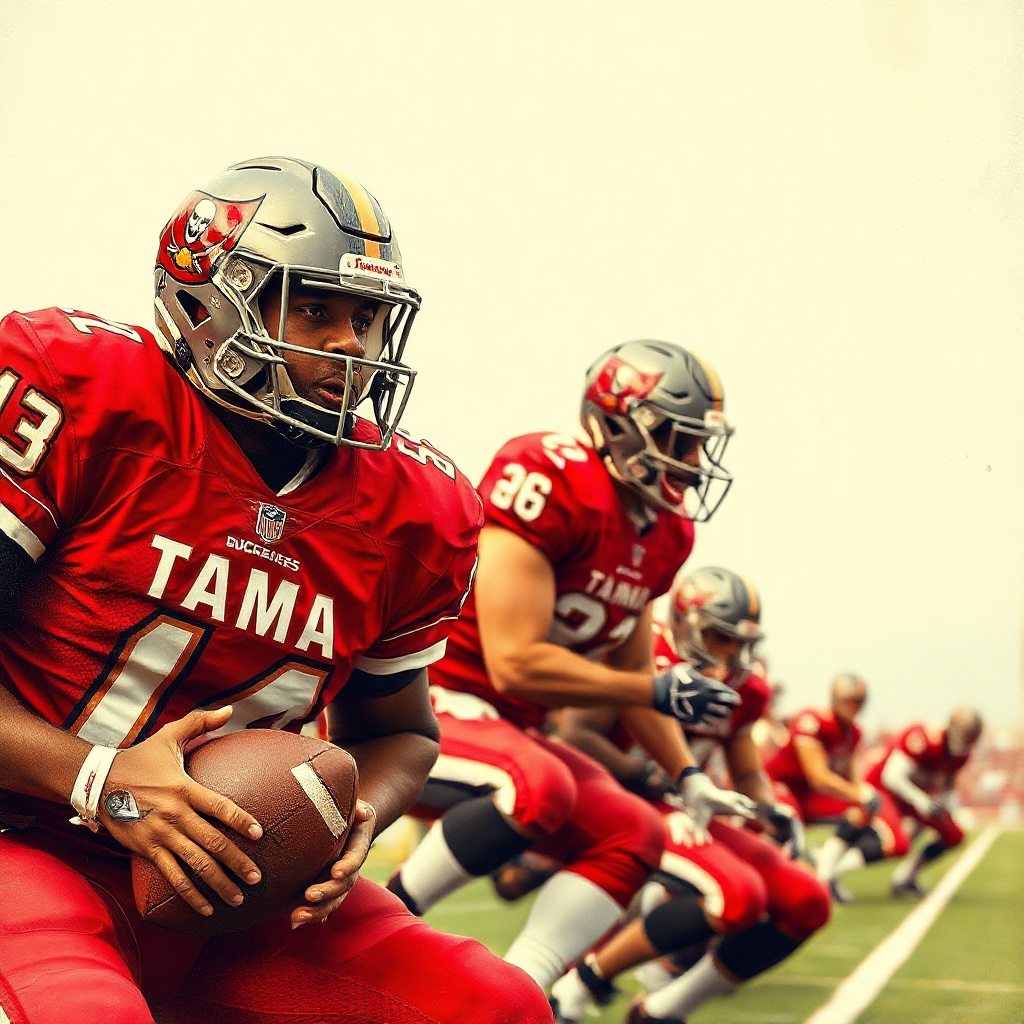
Gameday experience and fan culture
Raymond James Stadium continues to offer one of the most distinctive gameday atmospheres in the league. Tailgating, pirate-ship cannon blasts after scores, and the local hospitality make Buccaneers home games memorable. For visitors: arrive early to soak in pregame activities, use public transit options or designated parking plans, and sample nearby bayside restaurants that capture Tampa Bay’s vibrant food scene.
Community and outreach
The Buccaneers maintain strong community ties through youth programs, charity events, and local partnerships.
Fans often engage beyond the field, contributing to philanthropic efforts and youth-sports initiatives that strengthen the team’s regional impact.
What comes next
The Buccaneers are in a transition phase that blends respect for past triumphs with pragmatic moves toward a competitive future. Fans should look for steady quarterback play, continued defensive tenacity, and smart roster moves that preserve flexibility. The combination of a passionate fan base and a front office focused on sustainable success keeps the team compelling through every phase of the rebuild.
