
Why Jacksonville is Becoming a Top Pick for Living, Work, and Weekend Fun
Jacksonville blends coastal access, wide-open green space, and a growing economy in a way few large U.S.
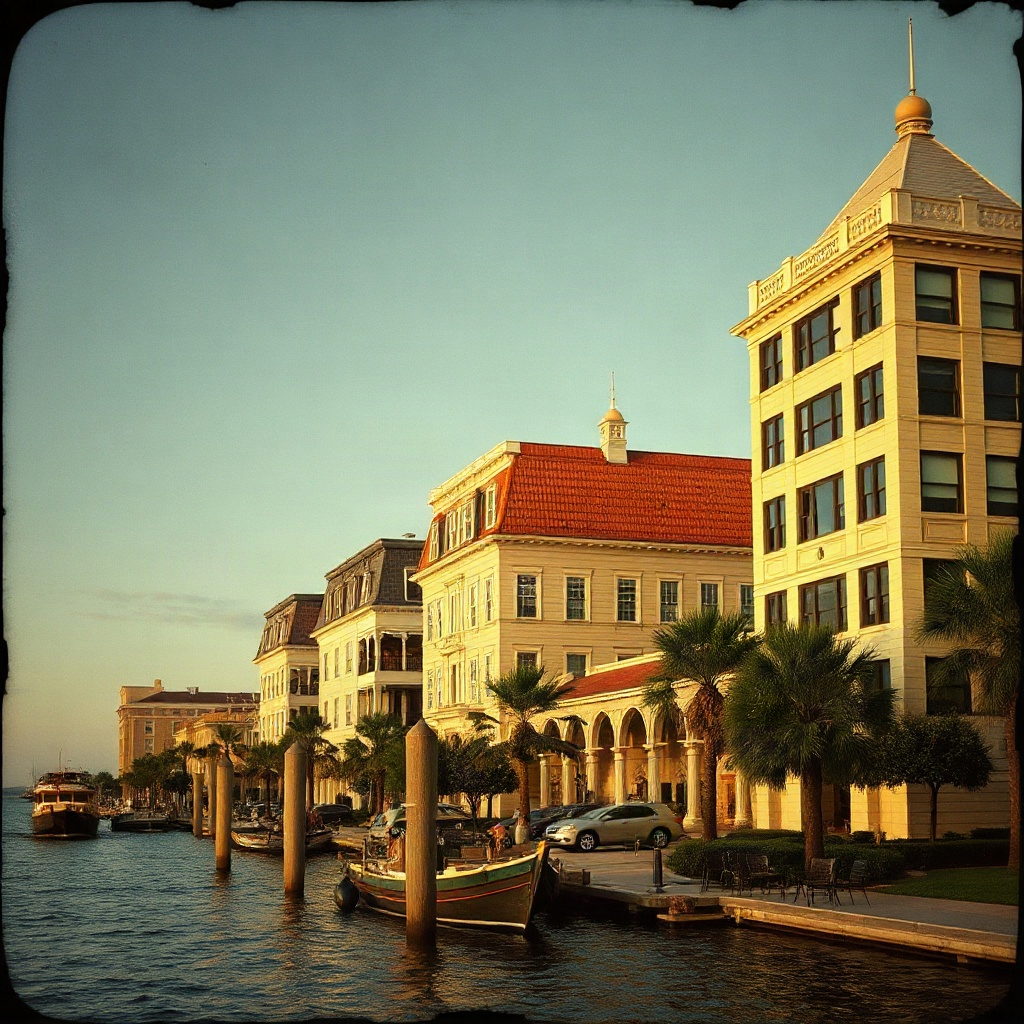
cities match.
Whether you’re considering a move, planning a weekend, or scouting new business locations, the city offers a mix of advantages that feel both modern and accessible.
Quality of life and neighborhoods
Neighborhoods in Jacksonville suit a broad range of lifestyles.
Riverside and Avondale feature tree-lined streets, bungalow architecture, independent shops and a strong dining scene. San Marco offers walkable squares, galleries and boutiques, while the beaches—Jacksonville Beach, Neptune Beach and Atlantic Beach—deliver classic coastal living with surf, bike lanes and laid-back cafes. For families, suburban pockets around the Southside and Mandarin provide spacious yards and easy school access.
Affordability still compares favorably to many coastal metro areas, making Jacksonville attractive for buyers and renters seeking value without sacrificing amenities.
Parks, waterways and outdoor recreation
The St. Johns River is the city’s central spine, offering paddling, riverfront walks and lively dining along its banks.
Beyond the river, the region preserves significant natural lands: Timucuan Preserve and Little Talbot Island provide rare undeveloped coastline, salt marshes and barrier island trails ideal for birders and kayakers. The city’s park network includes the Jacksonville Arboretum and expansive forest tracts for hiking, while a growing network of greenways and bike lanes improves options for active commuting and recreation.
Economy, logistics and jobs
Jacksonville’s deepwater port, major highway intersections and airport connectivity make it a logistics and distribution hub. That infrastructure supports growth in shipping, manufacturing and professional services. A rising number of companies cite the city’s cost profile, access to skilled labor and proximity to major southeastern markets as reasons to expand here. At the same time, a visible tech and startup scene is emerging, centered on co-working spaces and entrepreneurial programs.
Culture, food and nightlife
Cultural institutions offer year-round appeal. Museums, theaters and frequent festivals keep a lively calendar, while the Riverside Arts Market and Shipyards area provide markets and riverside events. The food and craft-beverage scene has matured: from seafood-focused restaurants and Southern comfort food to creative gastropubs and local breweries. Coffee houses and farm-to-table spots are increasingly common in walkable districts.
Sports and entertainment
Sports anchor community life, with pro football games and collegiate events attracting large crowds and energizing downtown on game days.
Concerts, outdoor film nights and waterfront festivals add regular options for nights out, and the growing entertainment district near downtown provides restaurants, bars and family-friendly attractions.
Planning considerations
Like all coastal cities, Jacksonville faces weather and resilience considerations. Flood risk varies by neighborhood; buyers and renters should check flood maps, insurance requirements and elevation when evaluating properties.
Public transit options remain limited compared with larger metros, so car access is important for many commutes.
Practical tips
– Explore neighborhoods at different times of day to gauge traffic and noise.
– Use local market reports and a knowledgeable agent when buying property near the river or coast.
– Try a weekend itinerary mixing a riverwalk, a beach morning and an evening at a neighborhood brewery to get a real feel for the city.
Jacksonville’s combination of outdoor access, growing job base and affordable neighborhoods makes it a compelling option for people who want coastal lifestyle without the constant premium. For newcomers and longtime residents alike, there’s always a new corner of the city to discover.
