Florida Coastal Resilience for Homeowners: Flood-Proofing Tips, Nature-Based Solutions, and Smart Real Estate Decisions

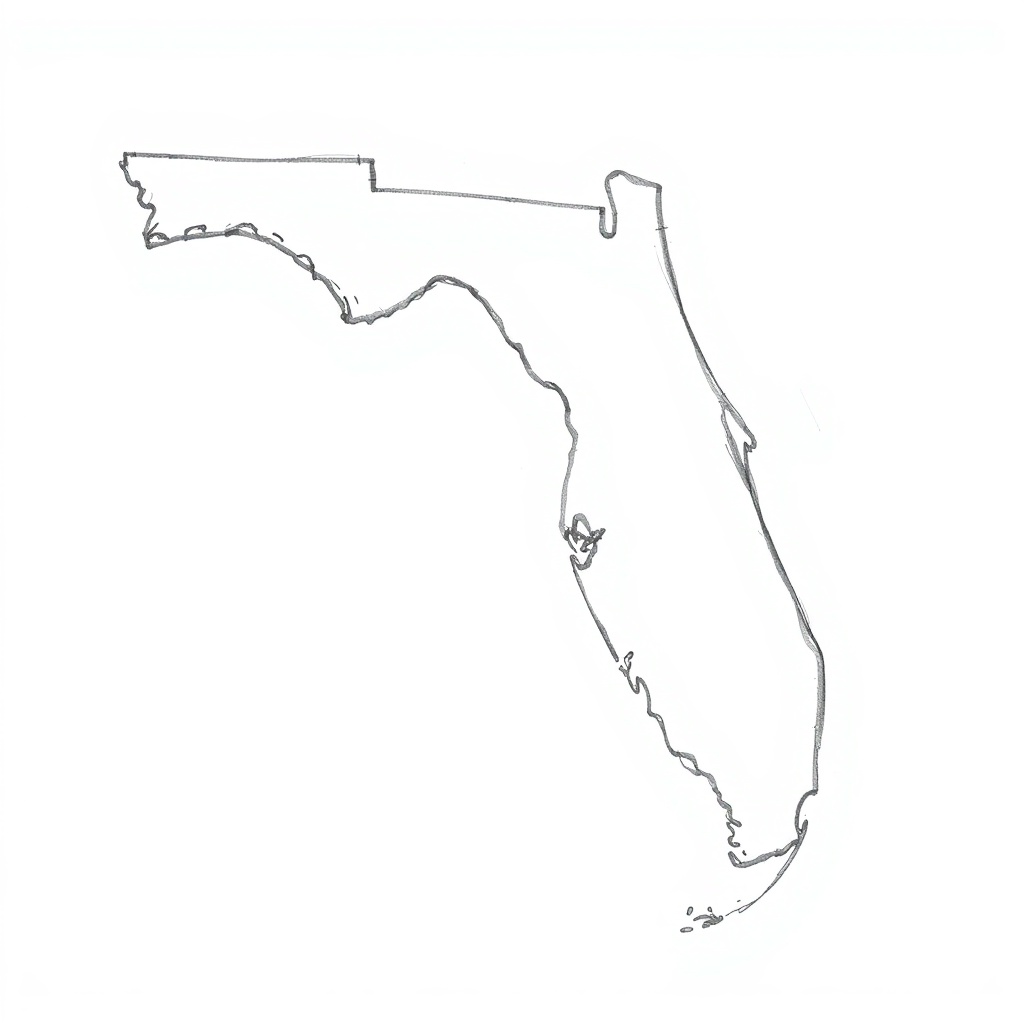
Florida’s coastline is one of its biggest draws—sun, surf, and unique ecosystems that support tourism and local life. At the same time, rising waters and more frequent coastal storms are reshaping how people live, build, and protect property. Coastal resilience has become a priority for homeowners, planners, and businesses across the state.
Why coastal resilience matters
Coastal resilience means reducing risk from flooding, storm surge, and erosion while preserving the natural systems that protect shorelines.
For Florida, that includes sandy beaches, barrier islands, salt marshes, and mangrove forests. Healthy coastal ecosystems absorb wave energy, slow erosion, and provide habitat for fish and birds—so protecting them has both environmental and economic payoff.
Practical steps homeowners can take
– Know your flood risk: Consult local flood maps and request an elevation certificate for your property.
Understanding base flood elevations helps guide renovation and insurance choices.
– Elevate and protect utilities: Raise HVAC units, electrical panels, and critical equipment above expected flood levels. Install backflow valves and consider flood vents in crawlspaces to reduce structural damage.
– Choose resilient materials: Use water-resistant flooring and wall systems in lower levels. Select corrosion-resistant fasteners and connectors for coastal exposure.
– Landscape for resilience: Replace turf near shorelines with salt-tolerant native plants like sea oats, sea grape, and coastal rosemary.
Use multilayered vegetation to stabilize dunes and reduce erosion.
Employ rain gardens and permeable paving to ease stormwater runoff.
– Prepare insurance and documents: Review flood insurance options and keep important documents backed up and stored securely. Talk to an agent familiar with coastal policies.
Nature-based approaches that work
Hard structures like seawalls can protect property but often accelerate erosion downcoast. Nature-based solutions are increasingly favored because they provide protection plus habitat benefits. Examples include:
– Mangrove restoration: Replanting and protecting mangroves reduces wave energy and traps sediment.
– Dune restoration: Rebuilding dunes with native grasses stabilizes sand and buffers storm surge.
– Living shorelines: Combining native plants, coir logs, and strategically placed rock attenuates wave action while supporting wildlife.
Community and policy responses
Local governments and regional agencies are updating building codes, land-use rules, and infrastructure plans to reflect changing flood patterns. Investments in stormwater upgrades, pump stations, and elevated roadways help keep communities connected during flood events. Public-private partnerships often fund large-scale restoration projects that protect neighborhoods while improving water quality and recreation.
Smart development and real estate decisions
Buyers and sellers should factor resilience into property valuations. Proximity to amenities remains desirable, but future maintenance costs and insurance premiums can affect long-term affordability. When renovating, prioritize upgrades that reduce future risk and maintain resale appeal—elevated entries, durable finishes, and thoughtfully planned landscaping all add value.
Taking action locally
Residents can support resilience by engaging in local planning workshops, volunteering for habitat restoration events, and advocating for smart shoreline management.
Small actions—planting native dunes, clearing clogged drains, or elevating utilities—cumulatively make a big difference for neighborhoods.
Florida’s coastal character will endure when communities couple practical building choices with nature-based stewardship. Homeowners, businesses, and officials who plan with resilience in mind preserve both property and the beautiful coasts that define the state.

