
Miami blends sun-soaked beaches, multicultural energy, and fast-changing urban innovation. Whether you’re visiting for nightlife and art or moving for work and lifestyle, understanding what makes this city tick helps you get more out of it.
A city of neighborhoods
Miami isn’t just one place—it’s a mosaic. South Beach delivers the iconic sand-and-sky postcard, while Wynwood has transformed from warehouses into a world-class street-art district with galleries, mural walks, and craft breweries. Little Havana offers Cuban cafés, live music, and a rich culinary scene centered on family-run restaurants and bakeries. Coral Gables and Coconut Grove provide tree-lined streets, boutique shopping, and quieter residential vibes.
Exploring multiple neighborhoods gives a fuller picture of the city’s cultural range.
Arts, culture and nightlife
Miami’s arts scene is a year-round draw. Public art and galleries extend beyond major events, with street murals and temporary installations popping up across Wynwood, the Design District, and Midtown. Live music venues and intimate jazz clubs thrive alongside high-energy nightclubs and rooftop bars. For a more relaxed night, look for pop-up events, open-studio nights, and local theater productions that showcase the city’s creative talent.
Dining: diversity on the plate
Food in Miami reflects its multicultural roots. You’ll find everything from elevated Latin American and Caribbean cuisine to contemporary seafood and fusion tasting menus. Farmers markets and food halls are also popular ways to sample small vendors, while longtime neighborhood spots offer authentic, affordable meals.
When dining out, consider trying late-afternoon reservations—many restaurants open later and serve a vibrant dinner scene.
Climate resilience and urban planning
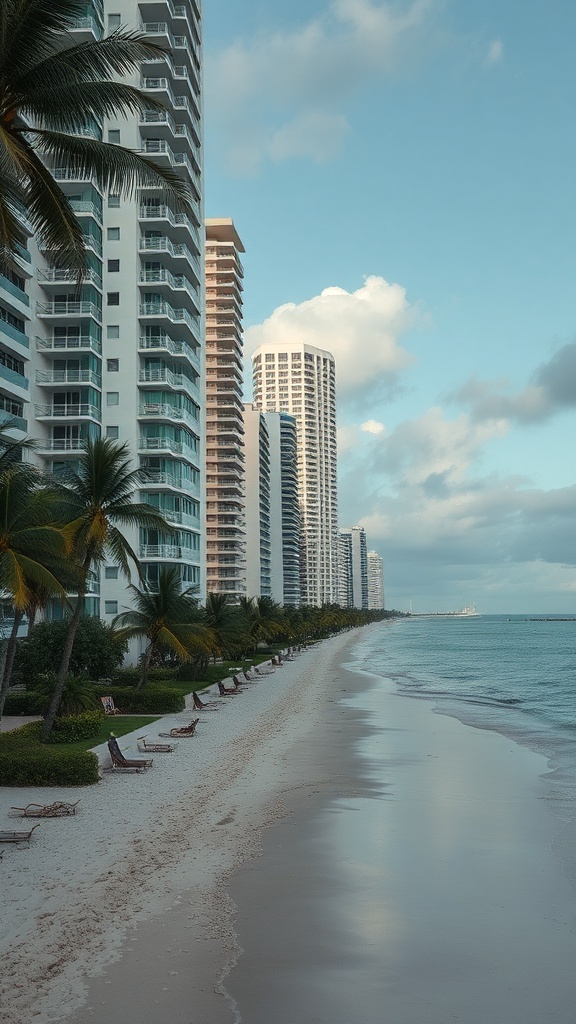
Miami faces unique environmental challenges because of coastal exposure and heavy rainfall. The city and local communities are investing in resilience measures—street-level drainage upgrades, seawall improvements, and building-code changes that address flooding risks. Private developments often incorporate elevated designs and green infrastructure.
If you’re living or buying here, factor resilience efforts into neighborhood research and consider flood insurance and elevation-related precautions.
Work and innovation
Miami has attracted attention as a growing hub for entrepreneurs, tech talent, and creative industries. Co-working spaces, innovation hubs, and venture activity make it a lively place for startups and remote workers seeking a metropolitan lifestyle with beachfront access. Commute options include express rail and a mix of rideshares, bike lanes, and transit connections—planning routes ahead makes daily travel smoother.
Getting around and practical tips
– Best times to visit attractions: mornings for museums and beaches, evenings for nightlife.
– Transit: combine Metrorail, trolleys, and rideshares for efficient travel; parking can be limited in dense areas.
– Sun protection: strong sun and humidity make sunscreen, hats, and hydration essentials.
– Local etiquette: tipping and friendly small talk are part of service culture; learning a few Spanish phrases is appreciated.
Why Miami continues to draw attention
The mix of cultural richness, outdoor lifestyle, and ongoing investment in infrastructure and creative industries keeps Miami dynamic. For visitors, it’s the easy blend of beach relaxation and cultural exploration. For residents, the evolving neighborhoods and opportunity landscape make it a city of possibilities. Whether you come for a weekend or are considering a longer stay, embracing the variety—food, art, nature, and practical resilience—lets you experience Miami beyond the obvious skyline.
