
Miami moves quickly between sun-drenched beaches and forward-thinking urban innovation. For anyone curious about the city—whether planning a visit, scouting neighborhoods, or watching how coastal metropolises adapt—Miami offers a blend of culture, cuisine, and climate-savvy development that’s worth exploring.
Why Miami draws attention
Miami’s multicultural identity is visible everywhere: the languages spoken, the flavors on restaurant menus, and the festivals filling streets and parks. That diversity fuels a year-round tourism economy, a thriving arts scene, and a dynamic food landscape where Cuban, Caribbean, Latin American, and global influences converge.
Neighborhoods to know
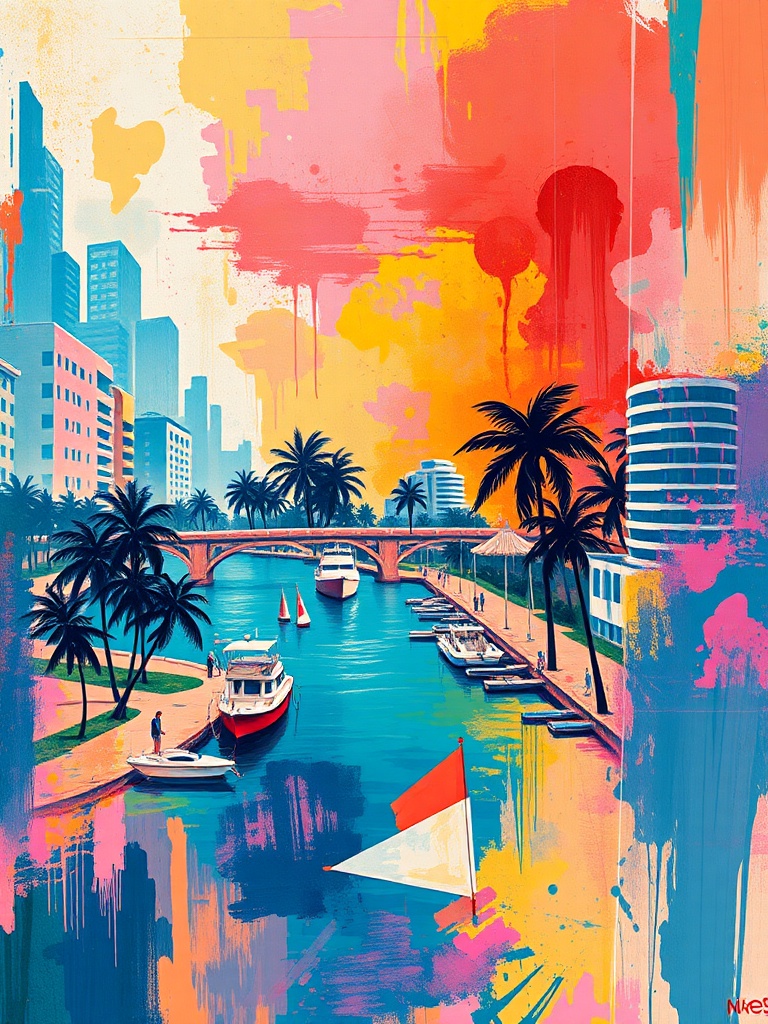
– South Beach: Iconic beaches, Art Deco architecture, and nightlife make this a high-energy hub for visitors.
– Wynwood: Famous for large-scale street art, galleries, and creative startups—Wynwood remains a magnet for art lovers and entrepreneurs.
– Brickell: Miami’s financial core, with sleek high-rises, upscale dining, and easy transit access.
– Little Havana: A cultural anchor where music, coffee shops, and small businesses showcase Miami’s Latin roots.
– Coconut Grove & Coral Gables: Greener, quieter enclaves prized by families and professionals seeking tree-lined streets and unique local shops.
Food and nightlife
Miami’s culinary scene is a major draw. From casual Cuban cafes and seafood shacks to high-end Latin-fusion restaurants, the city serves bold flavors and fresh catches. Markets and pop-ups are great ways to sample emerging chefs. Nightlife varies by neighborhood—Latin rhythms pulse in Little Havana and South Beach, while cocktail bars and rooftop lounges offer chic, skyline views across Brickell and Wynwood.
Arts and culture
The city supports museums, galleries, and public art that reflect its global influences.
Outdoor art districts, performance venues, and annual cultural events bring artists and audiences together, creating opportunities for both discovery and investment in local talent.
Outdoor life and recreation
Miami’s warm climate encourages year-round outdoor living. Beaches, paddleboarding, boating, and biking along bayfront parks are daily attractions. Nearby natural areas provide wildlife and eco-tourism experiences, from mangrove trails to bird-watching habitats. For active visitors, waterfront trails and community green spaces are easy ways to mix fitness with scenic views.
Climate resilience and infrastructure
As a coastal city, Miami is investing in flood mitigation, updated building standards, and green infrastructure to manage stormwater and rising tides. Public-private partnerships and local policies are pushing for more resilient designs—elevated roads, stormwater pumps, and resilient landscaping—that aim to protect neighborhoods while supporting continued growth.
Real estate and living
Miami’s real estate market is varied: luxury condos with skyline or ocean views sit alongside revitalized historic homes and newer suburban developments. Buyers and renters should weigh flood maps, insurance requirements, and neighborhood amenities. Transit improvements and walkability are increasingly important factors for long-term livability.
Tips for visitors and new residents
– Pack layers and sun protection—sunny days can be warm and humid.
– Explore beyond the well-known beach areas to find local eateries, parks, and cultural spots.
– Check transit options and parking rules—ride-sharing is often convenient, while some neighborhoods are more walkable than others.
– If considering a move, research flood zones, building codes, and community services to make an informed choice.
Miami continues to balance cosmopolitan energy with coastal challenges, making it a compelling case study in vibrant urban living and climate-forward planning.
Whether visiting for the food, the arts, or the outdoors, the city rewards curiosity and encourages exploration.
