How Miami Is Adapting to Sea Level Rise: Resilience, Real Estate Trends, and Nature-Based Solutions

Miami’s defining edge is water — sunlit bays, oceanfront skylines and neighborhoods that pulse with a mix of cultures. That same water shapes daily life, real estate decisions and long-term planning as the city balances booming development with climate-driven challenges. Understanding how Miami is adapting offers a blueprint for coastal cities everywhere.
Building for a wetter future
Local architects, engineers and city planners are increasingly designing with water resilience top of mind. Elevated living spaces, flood-resistant ground floors, and mechanical systems placed above expected flood lines are now common in new construction. Developers pair traditional hard infrastructure — seawalls, raised streets and pump systems — with soft solutions like restored mangroves, wetlands and living shorelines that absorb storm energy while supporting biodiversity.
Policy and finance are shifting to match the risks. Updated building codes, zoning adjustments and incentives for resilient retrofits encourage property owners to invest in durable upgrades. At the same time, insurance markets and mortgage lenders are factoring flood risk into underwriting, prompting homeowners and buyers to pay closer attention to elevation certificates and flood maps.
Neighborhoods and real estate trends
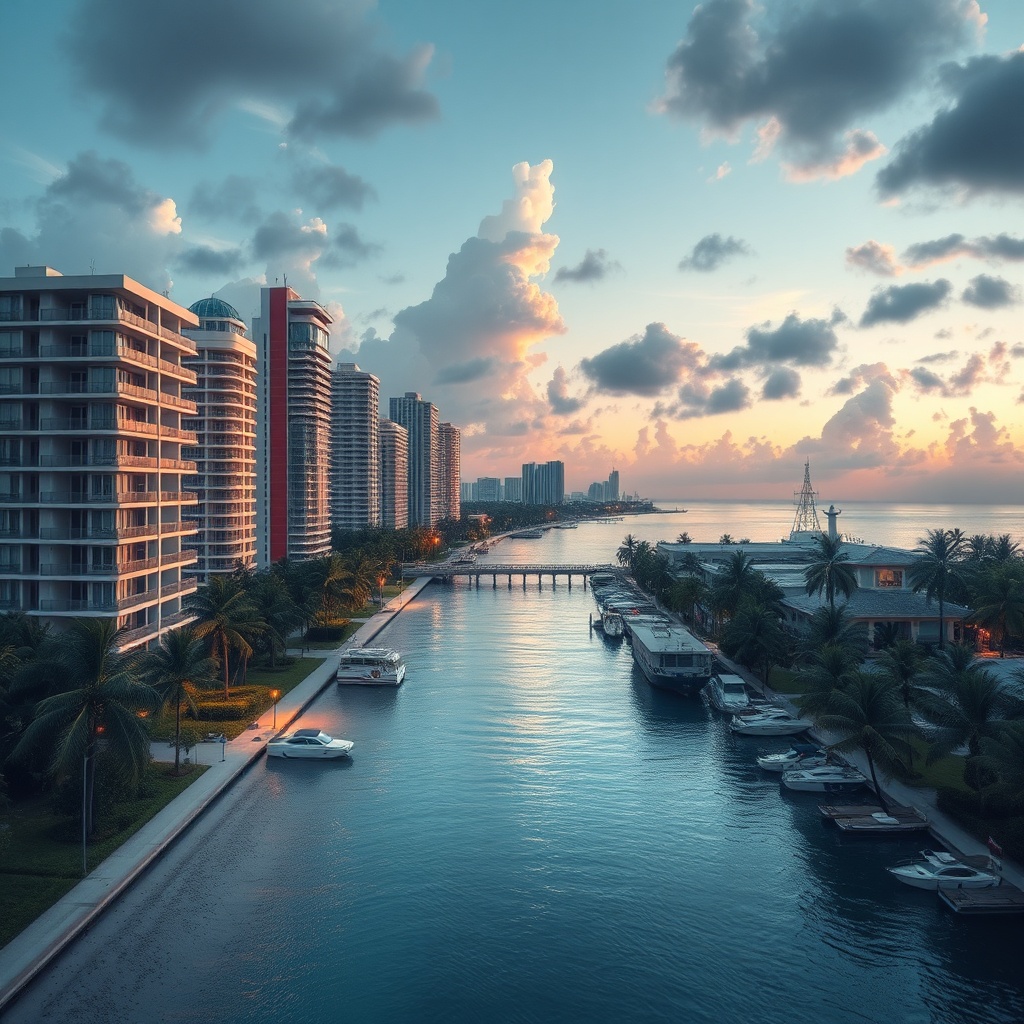
Some neighborhoods are seeing more investment as buyers look for higher ground or buildings with proven resilience features.
Others, prized for waterfront views and walkability, remain highly desirable but often come with higher insurance and maintenance costs. For residents and investors, the smart move is to evaluate long-term habitability, not just immediate lifestyle appeal.
Urban nature and public space
Miami’s parks and waterfronts are being reimagined as multifunctional public spaces that can flood temporarily without catastrophic damage. Green corridors, permeable pavements and urban forestry projects help reduce surface runoff, mitigate heat, and improve air quality. Restoring coastal ecosystems like mangroves and seagrass beds provides natural flood protection and enhances fisheries and recreation.
Practical moves for residents and visitors
– Check local flood maps and elevation data before buying or renting.
– Invest in basic flood-proofing: raised utilities, waterproofing for basements, and landscape grading to direct water away from foundations.
– Consider flood insurance even when not legally required; standard homeowner policies usually exclude flood damage.
– Keep an emergency kit and evacuation plan, and stay informed through local emergency management alerts.
Culture, commerce and mobility
Beyond resilience, Miami is thriving as a cultural and economic hub. Its international ties make it a gateway for trade, tech investment and creative industries, while a vibrant culinary and arts scene continues to attract visitors and new residents. Transportation projects aimed at improving regional rail connections and airport capacity are changing how people move through the region, supporting tourism and daily commuting alike.
Community-led solutions matter
Community organizations and neighborhood groups play a critical role in resilience, from grassroots advocacy for equitable infrastructure to local initiatives that distribute resources and information during storms. Equity-focused planning helps ensure vulnerable populations have access to adaptation funds, relocation assistance if necessary, and voice in the decisions that shape their neighborhoods.
Miami’s living-with-water approach blends engineering, nature-based solutions and community engagement. That combination is helping the city remain dynamic and resilient while preserving the cultural richness that draws people from near and far. Whether you’re a resident, investor, or visitor, staying informed and prepared is the best way to enjoy everything the city has to offer.
