
Miami keeps evolving—melding sun-soaked lifestyle with bold urban reinvention. Whether you’re planning a visit, considering a move, or following the city’s growth, understanding what makes Miami tick helps you make better choices about where to eat, play, invest, and live.
Culture and neighborhoods
Miami’s cultural heartbeat is both local and global. Little Havana offers vibrant Cuban flavors and street life, while Wynwood showcases massive murals, galleries, and creative startups. Brickell has emerged as a high-rise financial and residential hub, catering to professionals seeking walkable urban living. Coral Gables and Coconut Grove remain favorites for historic architecture, tree-lined streets, and quieter residential charm.
For beachfront energy, Miami Beach blends iconic Art Deco design with lively nightlife and luxury hospitality.
Food and drink
Miami’s dining scene is a delicious mosaic. Expect classic Cuban staples, fresh seafood from Biscayne Bay, and a dynamic fusion of Latin American, Caribbean, and international cuisines.
Food halls and chef-driven restaurants are widespread, and neighborhoods host everything from late-night cafecitos to tasting-menu experiences.
Farmer markets and pop-up events make it easy to tap into local produce and artisanal goods.
Outdoor life and water access
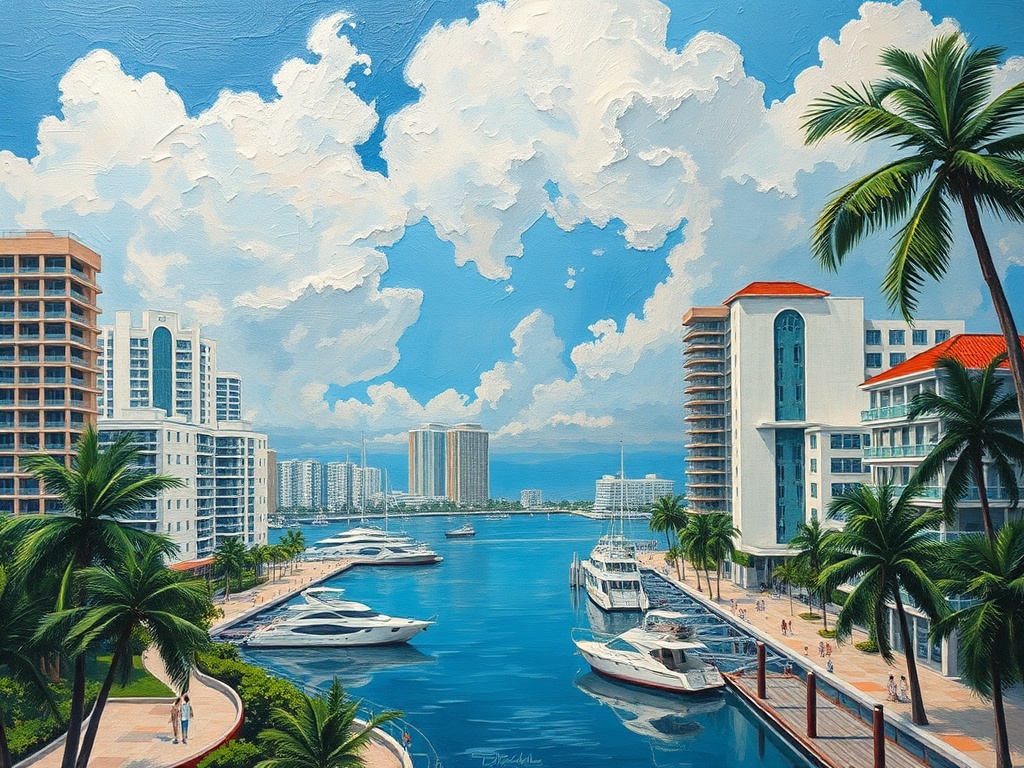
The outdoors define much of Miami life. Beaches provide year-round opportunities for swimming, paddleboarding, and sunbathing. Biscayne Bay is a boating, fishing, and kayaking playground, while nearby coastal preserves offer birding and nature trails.
The Everglades remain a unique natural feature within easy reach, inviting airboat tours and eco-adventures that reveal a distinct subtropical ecosystem.
Business and innovation
Miami continues to position itself as a hub for finance, tech, and creative industries. Co-working spaces, accelerators, and venture activity have increased demand for both commercial and residential real estate.
The city’s international connectivity—through a major international airport and a busy cruise port—supports global business ties.
That dynamic attracts remote workers, entrepreneurs, and investors seeking a lifestyle blending urban amenities with beach access.
Resilience and infrastructure
Facing coastal challenges, Miami has focused on resilience initiatives across transportation and infrastructure. City and county programs emphasize stormwater management, raised roads, enhanced drainage, and updated building standards to protect neighborhoods and critical services.
These efforts are shaping long-term planning and real estate priorities, with property buyers increasingly weighing resilience measures alongside location and amenities.
Practical tips for visitors and new residents
– Getting around: Downtown transit includes a free inner-city people-mover and regional rail options; rideshares and scooters fill gaps for shorter trips. Traffic can be heavy during peak hours, so plan accordingly.
– Best times: Early mornings are ideal for beach walks and avoiding midday crowds. Cultural districts often concentrate gallery openings and night markets on specific evenings.
– Safety and preparedness: Keep an eye on weather updates and local advisories when planning outdoor activities. Packing sun protection, light layers for indoor air conditioning, and water shoes for shoreline excursions enhances comfort.
– Neighborhood fit: Choose a neighborhood based on lifestyle—urban energy (Brickell, Downtown), creative culture (Wynwood), historic charm (Coral Gables), or beachfront living (Miami Beach).
Why Miami matters
Miami remains a vibrant crossroads of cultures, commerce, and climate-conscious urban planning. The city offers a unique combination of international flair, outdoor living, and evolving infrastructure—appealing to visitors chasing sunny escapes and residents building long-term lives with both lifestyle and resilience in mind.
