Miami Rising Seas: Flood Resilience Strategies for Homeowners, Investors, and Communities

Miami’s unique blend of coastal beauty, vibrant culture, and rapid development comes with a clear reality: the city must adapt to rising seas and more frequent flooding.
Efforts to protect neighborhoods and preserve economic vitality have accelerated, making Miami a focal point for climate resilience strategies that combine infrastructure, policy, and community action.
What’s changing on the ground
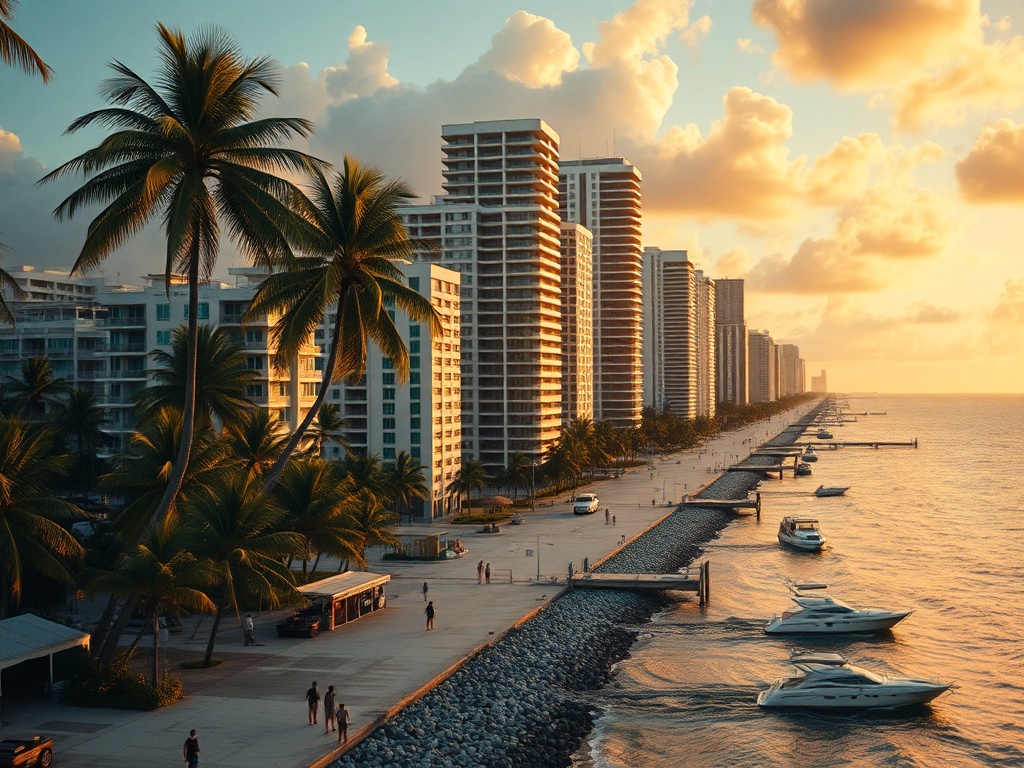
Public works are shifting from short-term fixes to long-term planning. Coastal communities are installing pump stations, raising streets, and reinforcing seawalls to manage high-tide flooding and heavy storms.
Inland, stormwater systems are being upgraded to handle more intense rainfall events. Planners are increasingly favoring “soft” solutions too — restoring mangroves, creating living shorelines, and expanding wetlands to absorb surge and reduce erosion. These measures work together to extend the life of public assets and protect private property.
Building smarter and greener
Building codes and design practices are evolving to reduce vulnerability. Elevated foundations, flood-resistant materials, and utility hardening (like relocating electrical systems above expected flood lines) are becoming common requirements for new construction and major renovations. Developers and architects are also incorporating climate-adaptive landscaping, permeable pavements, and on-site stormwater retention to reduce runoff and lower urban heat.
Economic and insurance impacts
Rising flood risk affects insurance costs, mortgage approval, and property values. Lenders and insurers increasingly scrutinize location, elevation, and flood mitigation measures when assessing risk. For buyers and investors, properties with proven resilience features or proximity to green infrastructure tend to hold value better over time. Local governments are responding with incentives and guidance to encourage private investment in resilience.
Community-driven solutions
Resilience doesn’t happen without public engagement. Neighborhood associations, faith groups, and local businesses play a vital role in preparedness and recovery planning. Community-driven projects — like urban tree planting, neighborhood drainage workshops, and volunteer sandbag networks — complement larger infrastructure investments and help ensure solutions meet local needs.
Practical guidance for residents and prospective buyers
– Check elevation and flood zone status before buying. Even small elevation differences can change risk and insurance needs.
– Invest in floodproofing: elevate utilities, use flood-resistant materials for lower floors, and consider flood barriers for openings.
– Retrofit landscaping to reduce runoff: use native, salt-tolerant plants, create rain gardens, and install permeable hardscaping.
– Understand insurance options and exemptions: compare flood insurance providers and ask about community mitigation discounts.
– Prepare an emergency plan and kit: know evacuation routes, secure important documents, and plan for power outages.
Why Miami remains desirable
Despite the challenges, Miami’s cultural vibrancy, strong tourism economy, and strategic investments in resilience continue to attract residents and businesses. Waterfront living, a thriving culinary scene, diverse neighborhoods, and an expanding tech and creative economy keep the city dynamic. The push for smarter infrastructure and sustainable design also opens opportunities for green jobs and innovation.
Long-term perspective
Managing coastal risk is an ongoing process. Success depends on integrating engineering, ecosystem restoration, policy reform, and community resilience. For residents and investors, staying informed, prioritizing adaptive measures, and engaging with local planning efforts will be essential to protecting lifestyle and property value while enjoying everything Miami offers today.
