How Miami Is Preparing for Sea Level Rise: Engineering, Nature-Based Solutions, and Community Resilience

Miami is a city defined by water — oceanfront beaches, Biscayne Bay, and a network of canals — and that relationship is shaping how the metro area plans for a resilient future.
Rising tides and more intense storms have pushed public agencies, developers, and neighborhoods to rethink infrastructure, land use and conservation.
The result is a mix of engineering, nature-based restoration and policy shifts that together aim to protect daily life and economic vitality.
Hard engineering meets green infrastructure
Traditional approaches like pumps, seawalls and raised roadways remain central to flood defense efforts.
Coastal communities have invested in upgraded pumping systems and stormwater drainage to manage high-tide flooding and heavy rainfall. At the same time, planners are increasingly combining these measures with green infrastructure: permeable pavements, bioswales, rain gardens and expanded urban tree canopy that slow and absorb runoff while cooling streets.
Restoring and protecting coastal ecosystems is also a priority.
Living shorelines, mangrove replanting and seagrass restoration help buffer storm surge, reduce erosion and support fisheries that sustain local tourism and recreation. Projects that reconnect wetlands to natural tidal flow provide both habitat and flood mitigation benefits.
Policy shifts and building practice
Building codes and zoning are evolving to reflect flood risk. New construction often incorporates higher first-floor elevations, flood-resistant materials and elevated utilities. Localities are also revisiting land-use rules to discourage vulnerable development in high-risk zones while incentivizing adaptation on existing properties.
Insurance and mortgage markets are influencing these choices as premiums and lending criteria increasingly account for flood exposure.
Strategic public investment and partnerships
Resilience requires scale and coordination. County and city-level initiatives are targeting both citywide systems and neighborhood-level upgrades.
Public funding is paired with private investment and philanthropic contributions to extend reach.
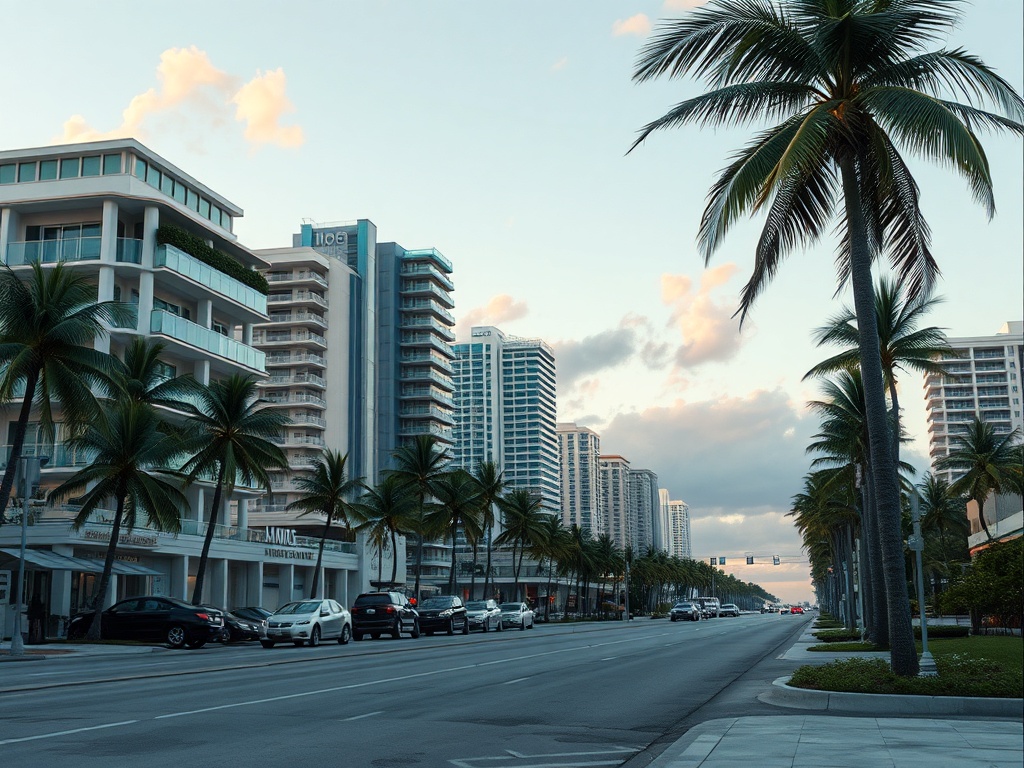
Pilot projects — such as elevating streets, redesigning parks to hold stormwater, and retrofitting critical infrastructure — are being used as proof-of-concept before wider rollout.
Community-focused approaches
Effective resilience planning centers residents. Outreach, affordable adaptation grants, and programs that help homeowners elevate homes or install flood mitigation measures focus on equity and reduce displacement risk. Neighborhood-level resilience hubs, green space improvements, and innovative stormwater management in public parks demonstrate how solutions can provide daily benefits beyond flood protection.
Implications for visitors and property owners
For people living in or visiting Miami, practical considerations include understanding tide cycles, choosing accommodations with robust flood-response plans, and recognizing that neighborhoods vary in vulnerability. Property owners should evaluate flood risk, explore resilience upgrades, and consult local resources about available incentives or technical assistance.
What success looks like
A resilient Miami blends robust infrastructure with healthy ecosystems and inclusive planning. It’s a city where streets still function during high tides, neighborhoods have access to protective green space, and investments reduce long-term costs tied to storm damage. Achieving that balance requires sustained coordination across government, private sector and communities, plus flexible strategies that adapt as science and conditions evolve.
As the city continues to innovate, Miami is becoming a living laboratory for coastal adaptation — demonstrating how urban life by the water can be protected through a mix of engineering, nature-based solutions and community-led action.
