
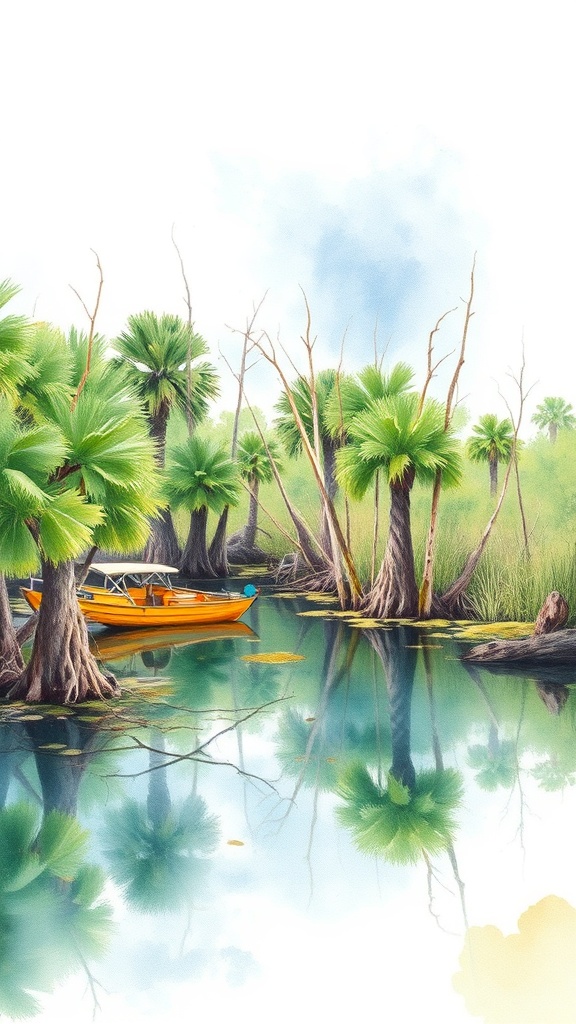
The Everglades is a unique subtropical wilderness that functions as a living, breathing system — a slow-moving river, rich in biodiversity and vital to South Florida’s water cycle.
Known for sawgrass marshes, mangrove fringes, and forested hammocks, this landscape supports a web of life found nowhere else and remains a high priority for conservation and restoration efforts.
Why the Everglades matter
The Everglades provide critical ecosystem services: they recharge groundwater, filter pollutants, buffer storm surge, and offer nursery habitat for fish and shellfish that support regional fisheries.
For people, the region is a major draw for outdoor recreation and nature tourism, from birdwatching and paddling to educational eco-tours. Protecting the Everglades protects drinking water, coastal resilience, and the economic benefits tied to healthy fisheries and tourism.
Main threats and what’s being done
Water flow alteration, poor water quality from nutrient runoff, invasive species, and habitat fragmentation are the primary threats. Agricultural and urban development altered historic sheetflow, concentrating nutrients like phosphorus in marshes and encouraging harmful plant growth. Invasive species, notably large constrictors and exotic plants, disrupt native populations and food webs.
Long-term restoration initiatives focus on restoring more natural flow patterns, improving water storage and treatment, and reconnecting fragmented habitats. Projects include large-scale stormwater treatment areas, reservoir and pump modifications, and land acquisitions aimed at reestablishing overland flow. These efforts are complemented by habitat management, prescribed fire programs, and invasive species control.
Wildlife highlights
The Everglades supports iconic species such as wading birds (herons, egrets, ibises), American alligators, Florida panthers, and many fish and invertebrates that depend on seasonal water patterns. The diversity of birdlife alone makes the region a top destination for birders. While some species are stable or recovering, others remain at risk and depend on continued habitat restoration and water-quality improvements.
How visitors can experience the Everglades responsibly
– Choose guided experiences led by park-approved operators to maximize safety and minimize disturbance to wildlife.
– Opt for low-impact activities like canoeing, kayaking, or hiking on designated trails to reduce habitat damage.
– Observe wildlife from a distance and avoid feeding animals, which alters natural behavior and increases human-wildlife conflict.
– Respect seasonal closures and fire management signs; these measures protect both visitors and ecological processes.
Practical conservation actions
Local communities and visitors can help by supporting organizations working on water-quality improvements and land conservation. Simple personal actions add up: reduce fertilizer use, avoid releasing pets into the wild, and practice responsible boating to prevent the spread of invasive species.
Looking ahead
Restoration is a long-term endeavor that requires coordination across agencies, private stakeholders, and the public. Progress depends on sustained funding, adaptive management as new science emerges, and continued public engagement. When the Everglades’ hydrology and water quality are improved, the benefits extend far beyond park boundaries — supporting resilient coastlines, healthier fisheries, and richer wildlife experiences for generations of visitors.
Whether you’re planning a day trip or searching for ways to support conservation, the Everglades offers both awe-inspiring encounters and tangible opportunities to make a difference. Respectful visitation and informed advocacy are among the most effective ways to ensure this singular ecosystem thrives.
