Exploring the Vibrant Ecosystem of the Everglades: A Comprehensive Guide to Florida’s Diverse Wildlife

Imagine a land that thrums with life, where exotic birds slice through the muggy air, and alligators lurk beneath the still waters. Picture a vast realm of sawgrass and mangroves, with miles of marshland stretching out under a blazing sun. You’re thinking of the Everglades, a unique and enchanting ecosystem nestled in the southern tip of Florida.
Often referred to as the “River of Grass”, the Everglades is a sprawling wetland, home to an array of wildlife. It stands as one of the world’s most diverse habitats, with over a thousand types of plants and hundreds of animal species calling these wetlands their home.
Let’s begin with the foundation of the Everglades – its water. This massive, slow-moving river is the lifeblood of the ecosystem. Precipitation collected from the Kissimmee River feeds into Lake Okeechobee. The overflow from the lake then spills south, creating a shallow, expansive river that nourishes the marshlands. It’s a delicate balance of nature that ensures the survival of this vibrant ecosystem.
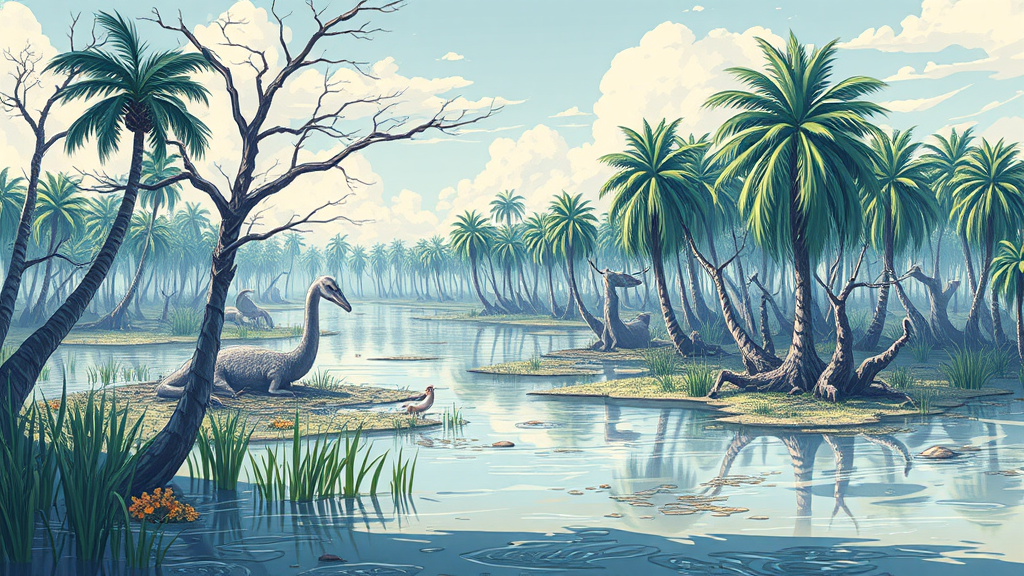
Among the iconic species that inhabit these waters are the American alligator and the American crocodile. The Everglades is possibly the only place on the planet where these two apex predators can be found co-existing. It’s not just reptiles that are drawn to the water. The manatee, often referred to as the “sea cow”, is a frequent visitor, delighting observers with its gentle and slow-moving presence.
The Everglades also serves as a birder’s paradise, hosting about 350 species of birds.
The roseate spoonbill, with its shocking pink feathers, is one of the many avian treasures that can be spotted here. The endangered snail kite, with its uniquely curved beak, is an extraordinary sight and can be found swooping over the sawgrass in search of apple snails.
But it’s not just fauna that makes the Everglades special. Towering above the waterline, you’ll find various species of mangroves. These salt-tolerant trees create a dense, tangled web of roots that provides shelter for many marine creatures and serves as a protective barrier against storm surges.
The Everglades has often been under threat from invasive species, pollution, and urban development. But efforts are continually being made to conserve this precious ecosystem. Restoration projects focus on preserving the natural water flow and removing non-native species to maintain the balance of this delicate environment.
Visitors to the Everglades can marvel at this natural wonder through various activities. Guided boat tours, bird watching, hiking trails, and alligator spotting are all part of the quintessential Everglades experience.
The Everglades, in all its sun-soaked glory, is not simply a swamp or marshland. It’s a testament to the beauty of nature, a thriving ecosystem that supports an array of unique and diverse life forms. Whether you’re an adventurer, a wildlife enthusiast, or a casual tourist, the Everglades offers an experience that is both enriching and educational.
As we continue to uncover the mysteries of this vibrant ecosystem, we must also remember our responsibility to preserve it. The Everglades serves as a reminder that the health of our planet is intertwined with the health of its ecosystems.
It’s up to us to protect this wetland wonder for future generations to explore and admire.
