– Jacksonville Travel Guide: Beaches, the St. Johns River & Top Neighborhoods (Visitor guide)

Jacksonville blends big-city energy with a distinctly outdoor lifestyle. Framed by the broad St.
Johns River, miles of Atlantic coastline, and large urban parks, the city offers a mix of waterfront recreation, growing cultural districts, and neighborhoods with strong local character.
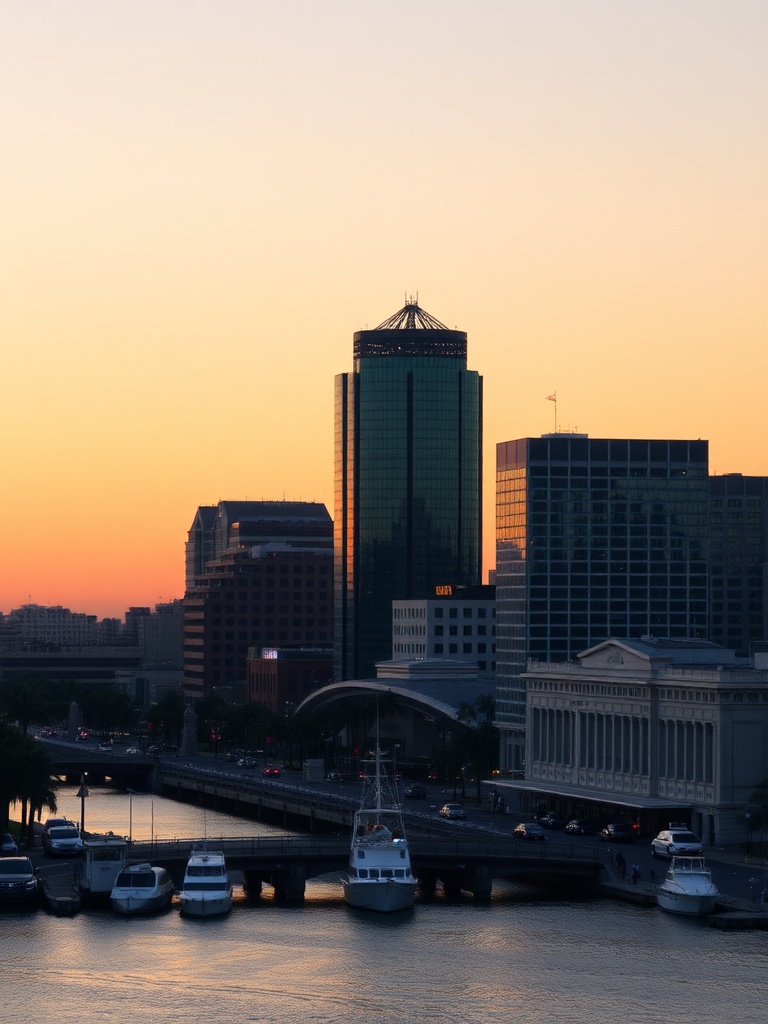
That combination makes it appealing for visitors, new residents, and entrepreneurs.
Water and outdoor life
The St. Johns River is the city’s backbone—visible from downtown and threaded by parks, promenades, and boat traffic. Riverwalk stretches along important downtown sections and serves as a great starting point for river cruises, kayaking, or simply watching cargo ships and local skiffs pass. On the ocean side, three adjacent beach towns deliver surf, sand, and casual dining: Jacksonville Beach, Neptune Beach, and Atlantic Beach each have their own vibe, from lively pier scenes to quieter stretches for morning runs.
Neighborhood character
Neighborhoods provide distinctly different living experiences. Riverside and Avondale feature historic bungalows, tree-lined streets, coffee shops, and an active arts scene. San Marco centers around a piazza with boutiques, theaters, and restaurants.
LaVilla is rebuilding its legacy as a cultural hub, while the area along the Southbank offers modern apartments and easy access to downtown. For a more suburban coastline setting, communities near the beaches and the nearby barrier islands remain popular for families and second-home buyers.
Culture and food
Jacksonville’s cultural institutions punch above their weight. The Cummer Museum of Art & Gardens and the Museum of Science & History host rotating exhibitions and community programming, while the Riverside Arts Market showcases local makers, musicians, and food vendors on weekends. The live-music circuit draws both national touring acts and local bands; the city’s stadium continues to attract major sporting events.
The food scene reflects coastal abundance—seafood is a highlight, from casual shrimp shacks to elevated seafood restaurants. Craft breweries have proliferated across town, and neighborhoods are growing denser with chef-driven concepts, Southern comfort food, and fusion kitchens.
Economy and growth
The port plays a central role in the local economy, serving as a busy logistics and shipping hub. Healthcare, logistics, financial services, and creative industries are major employers, and the city’s lower cost of living relative to other Sun Belt metros helps attract a pipeline of talent. Infrastructure improvement projects and downtown revitalization efforts continue to shape the city’s long-term appeal.
Practical tips and attractions
– Take a river cruise or rent a kayak to experience the St.
Johns from the water.
– Visit the Riverside Arts Market for local crafts, food, and live music.
– Spend a morning at one of the beaches for surf lessons or a coastal run.
– Explore the Cummer Museum and its gardens for a quieter cultural outing.
– Sample beers at neighborhood taprooms and hunt for fresh seafood along the docks.
Getting around
Driving is the most common way to navigate Jacksonville, but transit options include regional bus services and express routes that connect key corridors.
Biking and walking are increasingly viable in neighborhoods with concentrated retail and dining, and the riverfront areas invite pedestrian exploration.
Whether you’re drawn by outdoor access, evolving cultural offerings, or relatively affordable living, Jacksonville offers a versatile mix of coastal lifestyle and urban amenities.
Exploring different neighborhoods and spending time along the water are the best ways to get a feel for what the city has to offer.
