Miami Travel & Relocation Guide: Neighborhoods, Dining, Outdoor Adventures & Coastal Resilience

Miami is a coastal city that keeps reinventing itself while staying true to its signature blend of sun, style, and cultural energy. From vibrant street art and world-class dining to ambitious climate resilience efforts, Miami offers a mix of lifestyle and urban planning that draws visitors, new residents, and global investors alike.
A city adapting to the sea
Miami’s coastal location makes resilience a priority.
Municipal and community initiatives focus on multiple strategies: elevating critical infrastructure, upgrading stormwater systems, investing in natural buffers like mangrove restoration and living shorelines, and modernizing building codes for flood resistance. Neighborhood-level efforts pair green infrastructure—rain gardens, permeable pavements, expanded urban tree canopy—with large-scale engineering interventions such as pumps and seawall improvements. Visitors and residents increasingly see these adaptations integrated into everyday life, from raised sidewalks to waterfront parks designed to absorb storm surge.
Neighborhoods that define the city
Each Miami neighborhood has its own personality. Historic Little Havana pulses with Cuban coffee, vibrant street life, and cultural festivals. Wynwood is an open-air gallery whose murals and boutique shops attract creatives and foodies. The Design District showcases high-end fashion, cutting-edge architecture, and public art installations. Miami Beach, with its iconic art deco architecture and lively beachfront, remains a draw for sun and nightlife.
For a quieter pace, areas edging Biscayne Bay and nearby barrier islands offer boating, kayaking, and panoramic water views.
Culture, food, and nightlife
Miami’s culinary scene is a global melting pot—Latin American and Caribbean flavors mingle with modern seafood concepts and experimental fine dining. Casual markets and food halls complement specialty restaurants and chef-driven tasting rooms. Nightlife is diverse, from live music venues and rooftop bars to intimate cocktail lounges. Arts festivals and gallery nights bring an international crowd, while local cultural institutions present exhibitions, performances, and public programming year-round.
Outdoor life and natural escapes
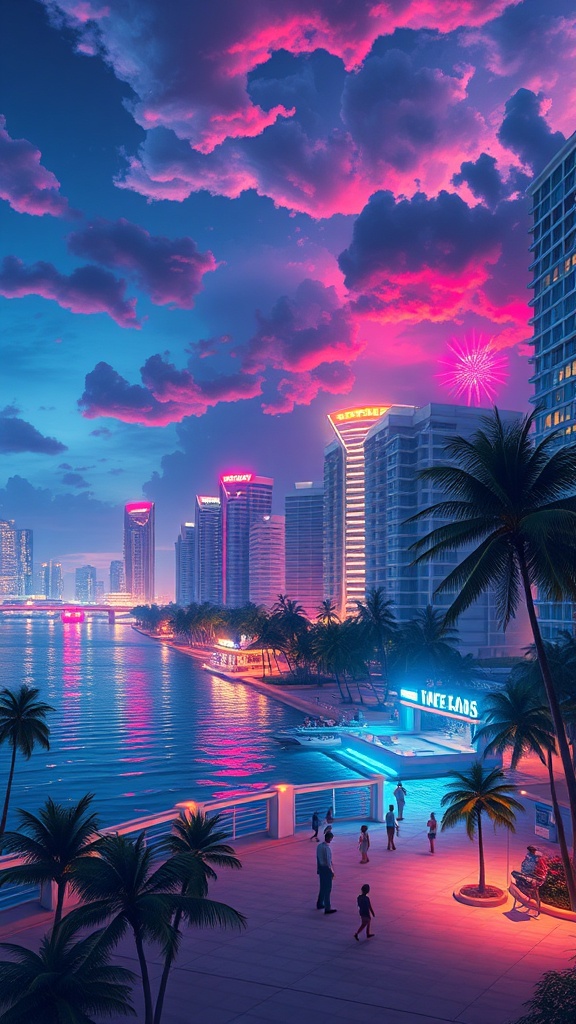
Biscayne Bay and nearby coastal preserves provide plentiful options for waterfront activities: boating, paddleboarding, snorkeling, and guided eco-tours. Urban parks and greenways are expanding, offering bike paths, community gardens, and waterfront promenades that emphasize access to nature within the urban grid.
Quick getaways to protected wetlands and barrier islands reward those seeking birdwatching, fishing, or scenic paddling routes.
Practical tips for visiting or moving
– Transportation: Use a mix of private car, public transit, and shared mobility. Metrorail and local bus routes connect core areas, while commuter rail options link to nearby cities. Ride-hailing and biking are often the most convenient for short trips.
– Stay aware of weather and tides: Coastal flooding can affect low-lying areas during high tides and storms.
Check local advisories and plan waterfront activities accordingly.
– Neighborhood choice: Pick a base depending on priorities—beach access and nightlife, arts and dining, or family-friendly waterfront neighborhoods with quieter streets and parks.
– Book experiences in advance: Popular restaurants, tours, and major cultural events can fill up quickly, especially during peak visitor seasons.
Miami continues to balance rapid urban growth with thoughtful responses to environmental challenges, all while offering a rich cultural fabric and outdoor lifestyle. Whether exploring colorful neighborhoods, enjoying international cuisine, or observing the city’s resilience in action, Miami provides a dynamic coastal experience shaped by creativity and ingenuity.
