
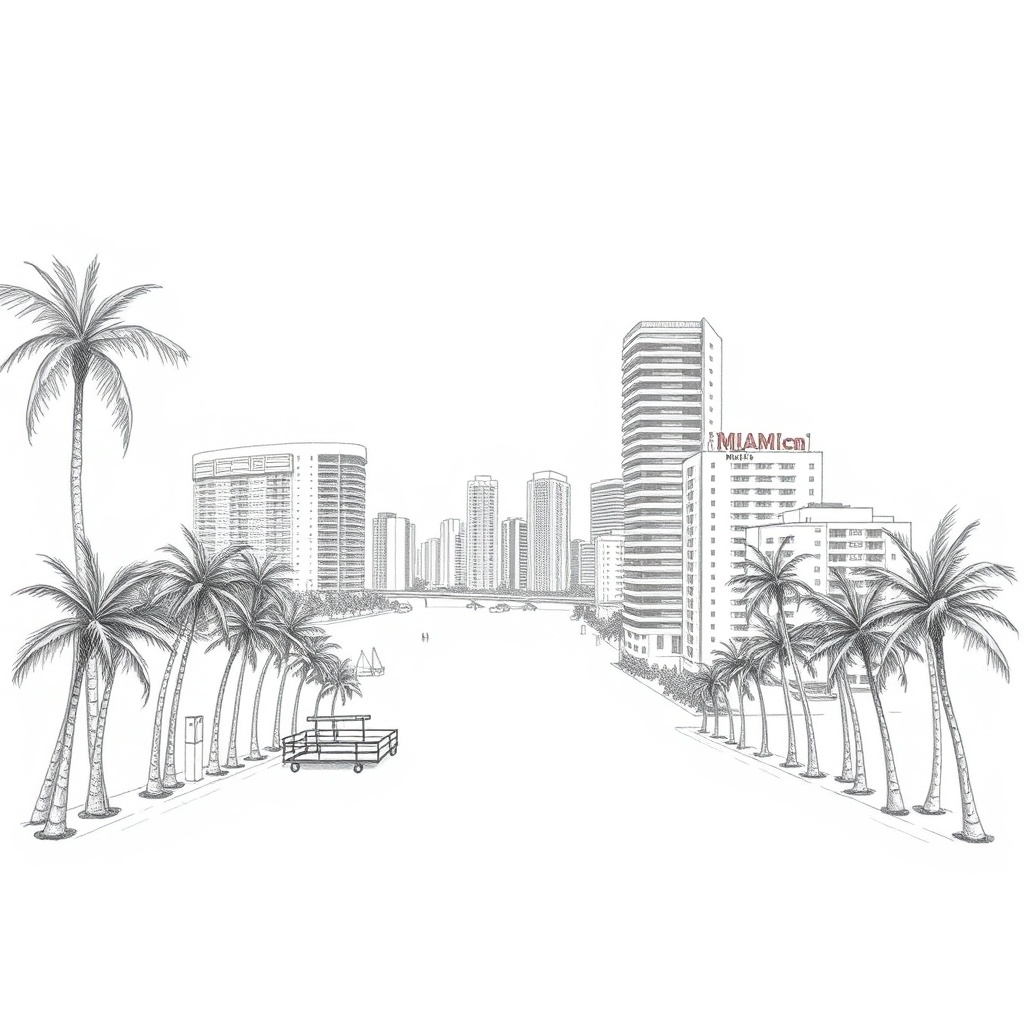
Miami keeps reinventing itself while holding fast to the sun-soaked lifestyle that draws visitors and newcomers alike. A coastal hub of culture, commerce, and conservation, the city blends historic neighborhoods, bold street art, and a booming downtown energy that makes it endlessly discoverable.
Why people come (and stay)
Warm weather, beaches, and a vibrant nightlife remain big draws, but Miami’s appeal goes deeper. Brickell has risen as a global financial district with sleek residential towers and a growing roster of international businesses. The city’s lack of a state income tax continues to attract entrepreneurs, remote workers, and established firms looking to relocate. At the same time, creative neighborhoods like Wynwood and the Design District feed a nonstop calendar of galleries, pop-ups, and public art, giving Miami a reputation as a cultural laboratory.
Art, food and music
Street murals in Wynwood are a must-see for visitors and locals, while the Art Deco architecture of Miami Beach provides a contrasting historic backdrop. Major art fairs and music festivals regularly bring global attention and foot traffic, helping support an eclectic restaurant scene that blends Cuban, Caribbean, Latin American, and international flavors. From casual cafés on Calle Ocho to high-end waterfront dining in Coconut Grove, food is a central way to experience the city’s multicultural identity.
Outdoor life and watersports
The shoreline is one of Miami’s greatest assets. Beyond sunbathing and swimming, the area offers boating, paddleboarding, fishing, and snorkeling.
The nearby wetlands and national preserves provide accessible nature escapes, ideal for birdwatching and airboat tours.
For active residents, coastal running paths, waterfront parks, and community marinas make outdoor living easy.
Transit and connectivity
Miami’s transit mix includes a downtown people-mover, regional rail, and a growing private rail service that links southern cities and is expanding north. Traffic remains a challenge during peak times, but ongoing investments in transit infrastructure aim to improve connectivity across neighborhoods and reduce commute times for many workers.
Real estate and neighborhood dynamics
A strong demand for housing has pushed development across the metro area, creating a supply of high-rise condos and neighborhood renovations. Affordability and displacement are ongoing conversations, as long-term residents weigh the benefits of new investment against rising rents and changing community character.
Neighborhoods like Little Havana, Edgewater, and Little Haiti remain cultural anchors even as development continues.
Climate resilience and planning
Rising tides and extreme weather shape planning priorities.
The city has been proactive with stormwater upgrades, road-raising projects, and coastal protections designed to keep infrastructure functional and neighborhoods safe. Resilience planning is part of everyday life for property owners, developers, and municipal leaders balancing growth with environmental realities.
Sports, tourism and nightlife
Professional sports teams, top-tier hotels, and a world-class cruise port make Miami a perennial destination for fans and travelers.
Nightlife—from legendary clubs on Ocean Drive to intimate live-music venues—keeps the city lively after dark, while an evolving hospitality scene caters to both luxury and budget travelers.
What to keep in mind
Miami’s mix of business opportunity, cultural vibrancy, and outdoor recreation is powerful, but newcomers should plan for hot summers, hurricane preparedness cycles, and the cost of living realities that come with a fast-growing city.
For those who value diversity, sun, and a city that embraces reinvention, Miami offers a compelling blend of lifestyle and opportunity.
