
Florida panthers are a symbol of the wildest corners of the Sunshine State, yet their survival depends on careful stewardship and smart coexistence. Understanding their needs and the threats they face makes it easier to protect this iconic big cat and preserve the ecosystems it represents.
Who the Florida panther is
The Florida panther (Puma concolor coryi) is a subspecies of puma that lives in the southeastern United States.
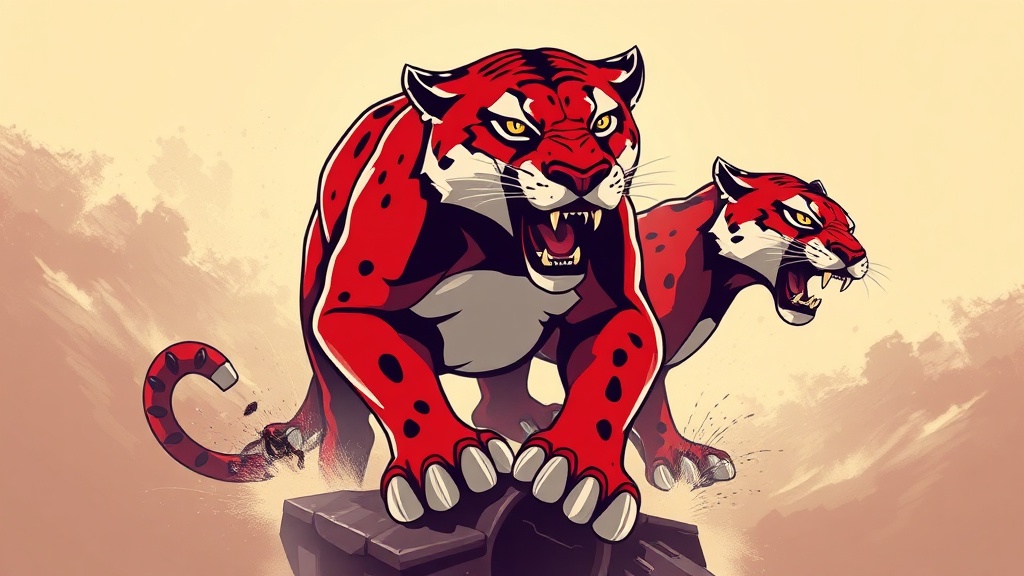
These solitary, mostly nocturnal predators occupy forested swamps, pine flatwoods, and mixed hardwood hammocks. As a top carnivore, the panther plays a vital role in balancing prey populations and maintaining healthy habitats.
Primary threats
– Habitat loss and fragmentation: Urban growth, agricultural expansion, and road networks carve former panther habitat into isolated patches. Fragmentation reduces available territory and limits genetic exchange between groups.
– Vehicle collisions: Panthers are vulnerable to being struck on highways and rural roads, especially where roadways cut through prime habitat.
– Genetic bottlenecks: Small, isolated populations risk inbreeding, which can increase susceptibility to disease and birth defects.
– Human-wildlife conflict: Encounters with pets, livestock, or poultry can lead to lethal control or relocation unless preventative steps are taken.
Conservation strategies that work
– Protecting and connecting habitat: Land acquisition, conservation easements, and the creation of wildlife corridors help link isolated patches so panthers can move, find mates, and access seasonal resources.
– Road mitigation: Wildlife crossings, fences that direct animals to safe crossing points, and strategically placed signage reduce vehicle strikes and reconnect habitat fragmented by highways.
– Genetic management: Carefully planned translocations and breeding programs can increase genetic diversity when needed, coupled with long-term habitat protection.
– Community-based measures: Outreach programs that help residents secure pets, modify livestock enclosures, and reduce attractants lower conflict and improve coexistence.
What residents and visitors can do
– Drive carefully in known panther areas: Reduce speed and stay alert at dawn and dusk when wildlife movement is highest.
– Secure pets and livestock: Keep cats and small dogs indoors or supervised, and protect chickens or other small stock with predator-proof enclosures.
– Avoid feeding wildlife: Leaving out food attracts deer and smaller animals that in turn draw predators closer to homes.
– Volunteer and support conservation: Contribute time or funds to local agencies and nonprofits working on habitat protection, road mitigation projects, and public education.
– Report sightings responsibly: Use official channels provided by wildlife agencies to report panther sightings; avoid approaching or attempting to photograph animals at close range.
Why panther conservation matters
Protecting Florida panthers preserves more than a single charismatic species. Safeguarding panther habitat conserves water resources, supports other native wildlife, and maintains the ecological processes that sustain healthy landscapes. With coordinated action from landowners, agencies, and the public, panthers can continue to roam and fulfill their ecological role.
Staying informed and engaged helps ensure the future of the Florida panther. Small, practical steps taken at the local level add up to meaningful progress for this emblematic predator and the wild places it needs to thrive.
