Preserving the Majestic Florida Panthers: A Tale of Survival and Resilience in the Wild

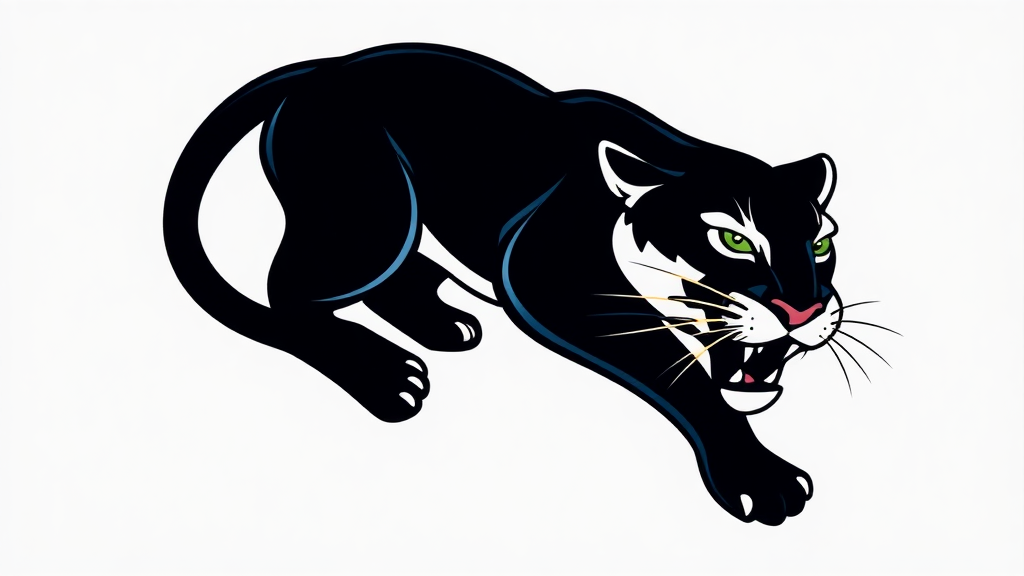
There’s something incredibly captivating about the Florida Panther, a sub-species of the Puma recognized for its alluring grace, gripping strength, and striking amber eyes. These elusive predators, majestically prowling the subtropical forests of Florida, have woven an intriguing tale of survival and resilience. As one delves into the world of these magnificent creatures, it’s impossible not to be awestruck by their unique characteristics, their present plight, and the promising conservation efforts currently underway.
The Florida Panther is an apex predator, meaning they sit at the top of the food chain. Their diet primarily comprises white-tailed deer and wild hogs, but they won’t shy away from smaller mammals like raccoons or armadillos.
These agile big cats are solitary creatures, often carving out and defending territories that can span over 200 square miles.
An interesting facet of the Florida Panther’s life lies in its rooted connection to the environment. Their existence is intrinsically tied to the health and vibrancy of their habitat, making them an umbrella species. Preserving Panthers translates into protection for a slew of other wildlife species that share their domain, thus safeguarding the ecological balance.
However, the plight of Florida Panthers is a tale of endurance and fight.
Their population has significantly dwindled due to human encroachment, habitat loss, and vehicular accidents. Today, it’s estimated that less than 200 Florida Panthers are left in the wild, placing them on the endangered species list. This situation paints a bleak picture, but it’s not without a glimmer of hope.
Recently, there has been a surge of measures aimed at preserving these enigmatic creatures and their habitat. The Florida Panther National Wildlife Refuge, spanning over 26,000 acres, is a crucial sanctuary providing a safe haven for these Panthers. Additionally, the “Save the Panther” license plate initiative is another notable effort, with funds directly contributing to research, conservation, and public awareness campaigns about the plight of Florida Panthers.
Organizations such as the Florida Fish and Wildlife Conservation Commission and the U.S. Fish and Wildlife Service are currently working tirelessly to protect and rehabilitate the Panther population. One such initiative entails the installation of wildlife underpasses and fencing along highways to prevent vehicular collisions – a major cause of Panther fatalities.
It’s also heartening to see local communities rallying around the cause. There’s growing public sentiment towards fostering co-existence between humans and wildlife, characterized by a more considerate approach towards land development, which is mindful of preserving the Panthers’ habitat.
Yet, the journey to reviving the Florida Panther population is a long one, riddled with challenges and unknowns.
As we delve deeper into understanding these creatures and their needs, it’s important to remember that each of us has a role to play in their survival.
The tale of the Florida Panther is as much about us as it is about them. It’s a story of co-existence and harmony, of understanding the delicate balance that nature maintains and our duty as stewards of the earth.
By safeguarding the Florida Panther, we’re not just preserving a species; we’re ensuring the health of an entire ecosystem.
It is about moving forward with a vision where the Florida Panthers, in all their majestic beauty, continue to roam wild and free, ensuring that the whispered tales of their strength, resilience, and grace never fade into oblivion.
