Navigating Florida’s Coastal Future: Sea-Level Rise, Everglades Restoration, Tourism Trends, and Real Estate

Florida’s coastline, ecosystems, and economy are all navigating a period of intense change.
With rapid population growth, increasing climate impacts, and evolving tourism trends, the state faces the challenge of balancing development with conservation. The choices made now will shape coastal communities, waterfront real estate, and the health of iconic landscapes like the Everglades.
Coastal resilience and sea-level adaptation
Sea-level rise and stronger storm impacts have raised awareness of coastal vulnerability. Many municipalities are investing in resilience measures—elevating roads and homes, restoring mangroves and dunes, and upgrading stormwater systems—to reduce flood risk and protect infrastructure.
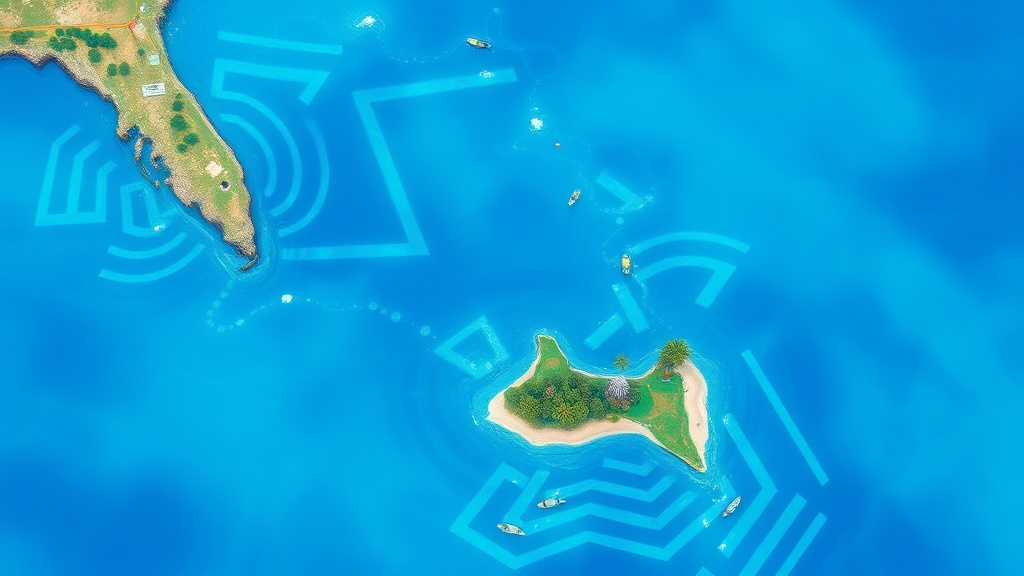
Property owners are increasingly weighing flood insurance costs, elevation requirements, and long-term resilience when buying waterfront homes. For buyers and renters, researching local flood maps, community mitigation plans, and building codes is essential.
Everglades restoration and water quality
Restoring the Everglades remains a top environmental priority. Large-scale efforts to improve freshwater flow, reduce nutrient pollution, and rehabilitate wetlands are advancing through partnerships among state, federal, and local agencies. Cleaner water supports fisheries, reduces algal blooms, and sustains tourism and recreation. Homeowners and businesses near waterways can contribute by minimizing fertilizer use, maintaining septic systems, and supporting local conservation initiatives.
Tourism trends and diversifying attractions
Tourism continues to be a cornerstone of Florida’s economy, but visitor preferences are shifting. Travelers increasingly seek outdoor experiences, eco-tourism, and cultural attractions alongside traditional theme parks and beaches. This opens opportunities for smaller destinations to attract visitors with kayaking, birding, culinary tours, and history-focused experiences.
Communities that emphasize authentic, sustainable offerings can capture a portion of the tourism market while reducing strain on heavily trafficked spots.
Real estate and the migration dynamic
The housing market reflects a mix of demand for coastal living and concern about long-term risks.
Remote work has expanded options for many households, stimulating interest in seasonal and year-round relocations. Local governments are responding with zoning updates, infrastructure investments, and incentives aimed at making communities more livable and resilient. Prospective residents should evaluate commute options, utility reliability, and emergency preparedness plans in addition to school quality and neighborhood amenities.
Conservation challenges: invasive species and red tide
Invasive species remain a significant ecological threat. Burmese pythons, lionfish, and certain aquatic plants disrupt native ecosystems and complicate conservation efforts. Community-driven removal programs and research into control methods are part of the strategy to mitigate impacts. Harmful algal blooms—often referred to as red tide—periodically affect beaches and marine life, underscoring the importance of nutrient management and water-quality monitoring.
Renewable energy and infrastructure shifts
Investment in solar energy, battery storage, and electrification of transportation is growing across the state. Rooftop solar options, community solar projects, and utility-scale installations are increasingly common, providing opportunities for residents and businesses to lower energy costs and reduce emissions. Electrification of transit fleets and expanded charging networks support tourism and daily life while aligning with broader resilience goals.
Practical steps for residents and visitors
– Stay informed about local emergency alerts and evacuation routes.
– Check flood maps and insurance requirements before renting or buying property.
– Support local conservation organizations and participate in beach cleanups or native plant initiatives.
– Choose outdoor and low-impact activities to help protect fragile ecosystems.
– Consider energy-efficiency upgrades and solar options to reduce costs and reliance on the grid.
Florida’s natural beauty and economic vitality remain powerful draws, but sustainable stewardship will determine how well coastal communities thrive. Thoughtful planning, community engagement, and nature-based solutions can help preserve the places people love while adapting to the changes underway.
