Orlando Beyond the Theme Parks: Your 2025 Guide to Neighborhoods, Food, Outdoor Adventures, and Moving

Orlando is more than theme parks — it’s a dynamic city with growing neighborhoods, a thriving food scene, and outdoor escapes that balance the high-energy attractions. Whether planning a short visit or considering a move, here’s a practical, up-to-date guide to getting the most from Orlando.
Why Orlando draws visitors and new residents
Orlando’s global reputation is anchored by major attractions, but its appeal extends to business travel, conventions, sports, and a growing tech and creative community. The city’s central location and major airport make it a convenient hub for domestic and international travel. Recent transportation investments and expanded rail connections have also improved access to surrounding regions, making day trips easier.
Top neighborhoods to explore
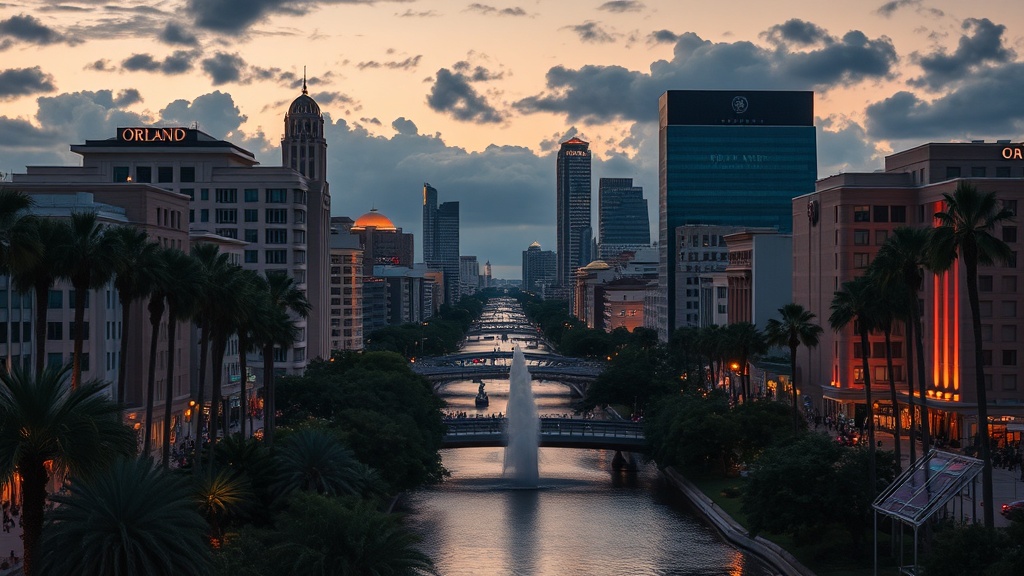
– Downtown and Lake Eola: Heart of the city with parks, farmers markets, cultural events, and walkable dining.
Great for urban living and short-term visitors who want easy access to nightlife and the performing arts center.
– Winter Park: Known for tree-lined streets, boutique shopping, and arts venues. Ideal for those seeking a suburban vibe with upscale dining and lakeside charm.
– Mills 50 and Ivanhoe Village: Creative corridors packed with murals, independent cafes, and diverse restaurants.
Perfect for foodies and nightlife seekers.
– Dr. Phillips and Dr. Phillips Restaurant Row: Home to upscale dining and family-friendly neighborhoods, near major attractions but quieter in the evenings.
– Lake Nona: Emerging hub for health, research, and tech, offering newer housing and well-planned amenities.
Must-do experiences beyond theme parks
– Natural springs and parks: A short drive reveals crystal-clear springs and state parks for kayaking, snorkeling, and hiking — a refreshing contrast to the city’s entertainment zones.
– Local markets: Weekly farmers markets and food halls showcase local produce, craft goods, and a microcosm of Orlando’s culinary scene.
– Arts and culture: Galleries, independent theaters, and live music venues offer a creative counterpoint to big-stage performances.
– Sports and esports: Catch a professional basketball game, soccer match, or explore Orlando’s vibrant esports and gaming events.
Practical tips for visitors
– Plan for weather: Afternoon showers are common; pack a light rain jacket and breathable layers for warm, humid conditions.
– Skip peak times: Early mornings or weekday afternoons can reduce wait times at major attractions and improve driving conditions.
– Use local transit options: Combining rideshare, local bus routes, and newly expanded rail services can ease navigation and reduce parking hassles.
– Book restaurants in advance: Popular dining spots fill quickly, especially on weekends and during conventions.
Real estate and moving considerations
Orlando offers a range of housing options from downtown condos to suburban single-family homes. Property values vary widely by neighborhood, and many buyers are attracted to areas near major employers, tech hubs, and well-rated schools. Working with a local agent helps navigate neighborhood nuances and the best commute options.
Sustainable and smart-city developments
Community planners are increasingly focusing on resilient infrastructure, green spaces, and mixed-use developments that promote walkability. New projects emphasize energy efficiency, public transit access, and flood mitigation — important factors when evaluating a neighborhood or investment.
Orlando keeps evolving — balancing world-renowned attractions with quieter neighborhoods, cultural depth, and natural beauty. Whether you’re visiting for a weekend or scouting a longer stay, mixing iconic experiences with local hotspots will give you a fuller picture of the city’s character.
