
Orlando’s reputation as a global theme park capital is well earned, but the city’s story extends far beyond roller coasters and family attractions. A vibrant urban renaissance is reshaping neighborhoods, dining, arts, and innovation—making Orlando a multi-dimensional destination for visitors and a thriving home for residents.
Neighborhoods with personality
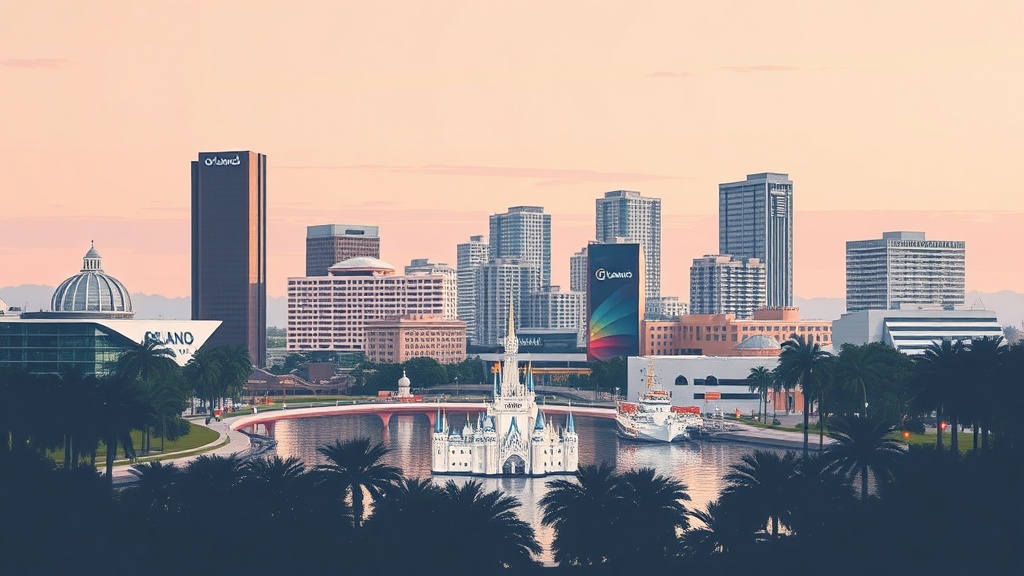
Downtown Orlando now pulses with energy after dark, fueled by a lively restaurant scene, boutique hotels, and cultural venues around Lake Eola. Nearby pockets such as Thornton Park and Ivanhoe Village offer walkable streets, craft cocktail bars, and independent shops.
Creative districts like Mills 50 and the Milk District are known for street art, local galleries, and late-night music, while College Park and Winter Park bring shaded avenues dotted with cafés, bistros, and small retailers that reward leisurely exploration.
A food scene that surprises
Orlando’s culinary profile has matured. Beyond international chains and theme-park dining, an influx of chef-driven restaurants, farm-to-table concepts, and pop-up eateries highlights seasonal produce and diverse cultural influences.
Food halls and markets have become hubs for tasting multiple cuisines in one visit. Audubon Park’s farmer-driven culture and Lake Nona’s polished dining options showcase how food is a major part of Orlando’s reinvention.
Arts, culture, and live entertainment
Cultural institutions and independent art spaces are expanding the city’s creative footprint.
Museums and performing arts centers stage national touring shows and local productions, while smaller galleries and artist studios host openings and community events. Street murals and public art installations create colorful corridors that double as social media-worthy backdrops. Music venues—from intimate jazz clubs to large arenas—keep a steady calendar of live performance, drawing regional audiences.
Sports and active lifestyle
Professional sports and recreational amenities help define Orlando’s active lifestyle. Stadiums and local leagues provide regular entertainment, and parks, lakes, and bike trails invite outdoor pursuits. Paddleboarding on calm lakes, running trails through urban greenways, and a growing network of bike lanes reflect a city focused on accessible, healthy living.
Innovation and healthcare clusters
Orlando’s economic landscape balances tourism with growing clusters in healthcare, life sciences, and tech. Innovation districts attract research, startups, and talent, creating opportunities for collaboration between universities, hospitals, and private companies.
Co-working spaces and incubators contribute to a community that supports entrepreneurship and skilled employment outside the traditional hospitality sector.
Getting around and planning a visit
Orlando is more navigable than many assume. A mix of compact walkable neighborhoods, rideshare options, and expanding transit connections make it possible to experience multiple districts in a single trip. For a more local feel, plan neighborhood-hopping days—breakfast in College Park, an afternoon in a museum district, and dinner in a lively creative neighborhood followed by live music.
Tips for travelers and new residents
– Explore beyond the well-known attractions: allocate time for neighborhoods, markets, and local events.
– Check event calendars for festivals, outdoor concerts, and art walks—these highlight authentic local culture.
– Sample food halls and small eateries to taste the range of Orlando’s evolving culinary scene.
– Use multi-district itineraries to minimize driving and maximize variety.
Orlando’s appeal is increasingly defined by its neighborhoods, creativity, and economic diversification. Whether visiting for a long weekend or considering a move, the city offers a blend of big-city amenities and approachable local character that rewards exploration.
