
Orlando Magic fans are watching a clear identity take shape: a young, versatile roster built around size, spacing and positionless skill. The franchise has leaned into drafting and developing multi-dimensional players, blending scoring wings, playmaking bigs and athletic guards to create a modern NBA attack that thrives in transition and spacing sets.
Core pieces lead the way. The primary scoring option is a frontcourt creator who stretches defenses with scoring ability both at the rim and from midrange; surrounding him are a fluid two-way wing who can handle multiple assignments defensively and knock down threes, and a lively guard who injects energy on both ends and can finish in traffic. The supporting cast blends interior rebounding, rim protection and perimeter shooting, a mix that helps the team run and also fight for possessions on the glass.
Offense leans on pace and floor spacing. Ball movement and cutter-driven actions generate open looks for shooters, while pick-and-roll sets frequently put playmaking bigs in mismatch situations. When the team pushes in transition, wings and guards sprint the lanes to create easy baskets, turning defensive stops into efficient scoring runs.
That balance between halfcourt creativity and fast-break explosiveness gives opposing defenses multiple problems to solve.
Defense has become an area of emphasis. Versatility allows the team to switch many pick-and-rolls without giving up easy shots, and rim protection from the center position deters interior attacks.
Defensive metrics often reward teams that can contest threes while protecting the paint, and the Magic’s roster construction reflects that principle: length on the perimeter combined with a mobile interior defender who can alter attempts at the rim.
Player development and analytics are front and center in the front office approach. The team prioritizes drafting players who fit a modern blueprint—skillful, switchable defenders and positionless scorers—and then invests in targeted coaching to accelerate growth. Rotational minutes are carefully managed to balance competitive play with the long-term growth of young stars. Complementary veteran signings aim to bring stability and mentorship without blocking the pathway for developing talent.
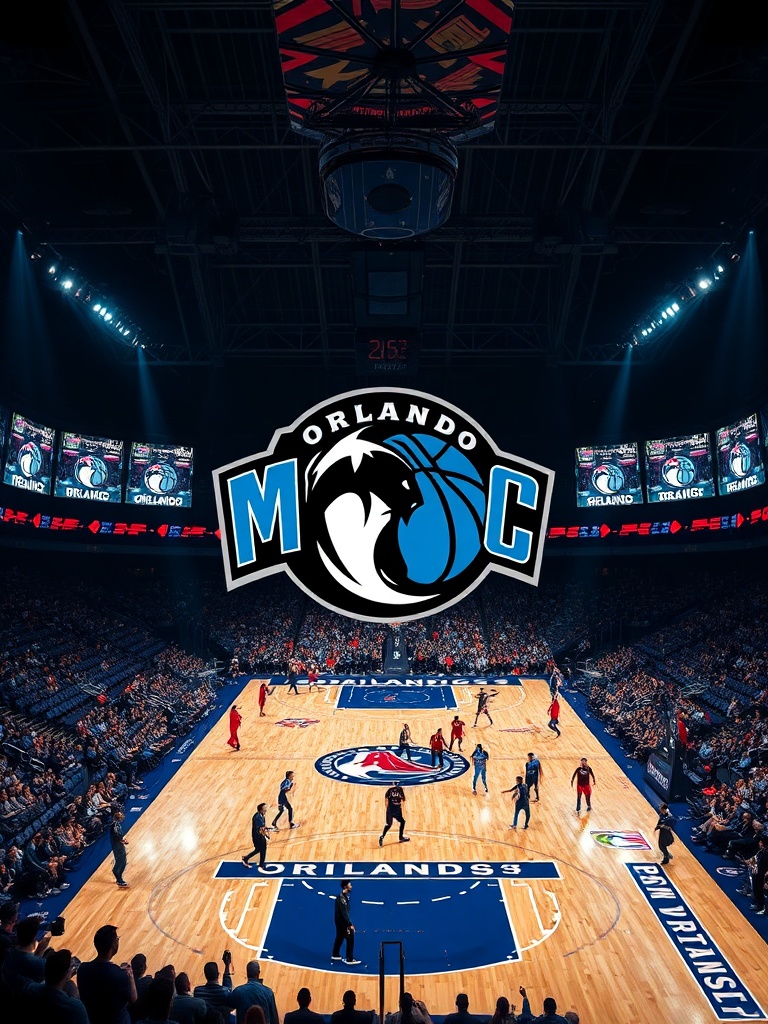
Home-court energy at the Amway Center remains a strong advantage.
Fan engagement initiatives and community outreach tie the roster to the city beyond game nights, creating a culture that supports both performance and local impact. That connection helps sellout crowds and a lively atmosphere that can swing tight games in the home team’s favor.
What to watch going forward: consistency from the primary scorer in late-game situations, continued improvement from the wing defenders who must guard opposing stars, and how role players respond when called upon in playoff-style rotations. Health and depth will be decisive in any postseason push; a balanced bench that can sustain defensive intensity and make timely shots is often the difference-maker.
For fans and analysts alike, the Magic present an intriguing blend of young talent and strategic building blocks. If development continues and the complementary pieces align, the franchise is positioned to compete with the Eastern Conference’s upper tier while maintaining flexibility to adapt roster needs through trades, free agency and the draft.
