Tampa Bay Buccaneers: 7 Keys to Building Sustainable Success On and Off the Field

Tampa Bay Buccaneers: Building Sustainable Success on and off the Field
The Tampa Bay Buccaneers remain one of the most watched franchises in the league, thanks to a mix of star power, passionate fans, and a downtown stadium that delivers an unforgettable game-day experience. As the team looks to move beyond headline-grabbing moments and into sustained competitiveness, several pillars will determine whether the Bucs become perennial contenders or remain a team of flashes.
Smart roster construction
Roster balance is the foundation of consistent success. For the Buccaneers, that means pairing playmakers at skill positions with a sturdy offensive line that can protect the quarterback and open lanes in the run game. Equally important is investing in depth across the defensive front and secondary.
A reliable pass rush and versatile defensive backs allow defensive coordinators to disguise coverages and force turnovers — game-changing in tight matchups.
Quarterback play and coaching continuity
Quarterback performance sets the ceiling for any offense.
Continuity in coaching and a clear offensive identity help quarterbacks thrive. The Bucs benefit when the offensive scheme emphasizes a mix of quick reads, play-action, and schemed runs to keep defenses off balance.
Coaching continuity also supports player development, turning mid-round draft picks and undrafted signings into contributors.
Draft + development = long-term value
Draft capital remains one of the best ways to sustain a competitive roster under the salary cap. The Buccaneers’ scouting and development pipeline must identify high-upside players, especially in skill positions and the trenches. Development doesn’t stop at on-field coaching; it includes strength and conditioning, nutrition, film study, and mental performance resources that speed up a player’s transition to the pro level.
Free agency and cap management
Free agency can accelerate a rebuild or strengthen contention windows, but savvy cap management is essential. The front office must balance short-term upgrades with long-term flexibility. Prioritizing impact free agents who fix clear weaknesses — rather than chasing splashy names that strain the cap — is a sustainable strategy.
Contract structure, incentives, and roster bonuses should align with the team’s competitive timeline.
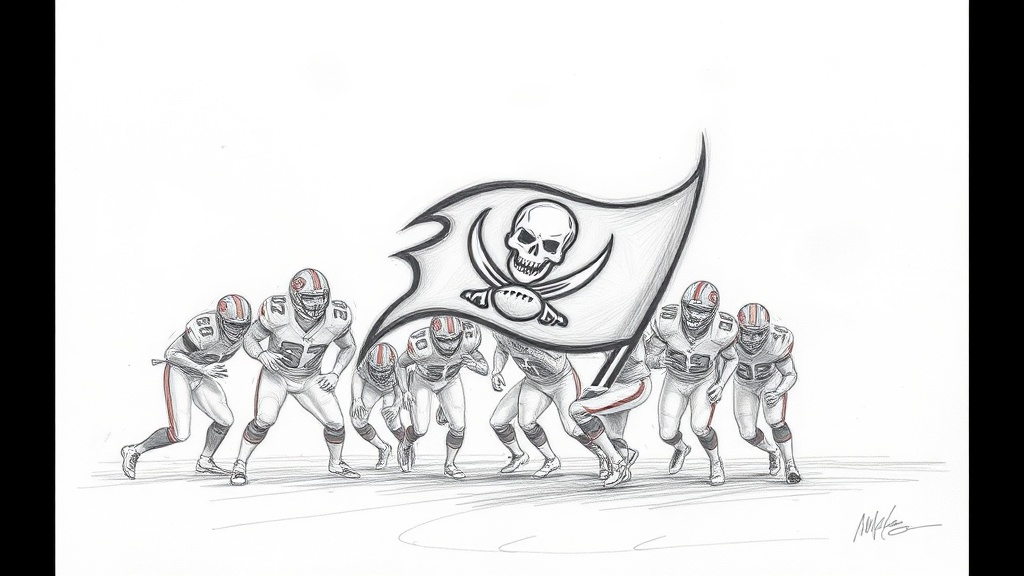
Defensive identity and turnovers
Defense wins close games. For the Buccaneers, creating a defensive identity around pressure and turnovers is critical. That means cultivating players who can win one-on-one matchups, blitz effectively, and play disciplined coverage. Turnover differential often correlates strongly with win totals, so emphasis on takeaway drills and situational awareness pays dividends.
The Raymond James Stadium advantage
Fan experience and home-field atmosphere are underrated competitive edges.
Raymond James Stadium, with its waterfront location and rowdy crowd, can be a difficult place for opponents to play. Maximizing that advantage means continued investment in fan engagement, game-day promotions, and a community presence that keeps season-ticket holders and casual fans energized.
Community and brand growth
Successful franchises are woven into their cities. The Buccaneers have an opportunity to grow their brand through community programs, youth football outreach, and high-visibility events that keep the team connected to Tampa Bay beyond Sundays. A strong local support base helps with scouting pipelines, corporate partnerships, and long-term franchise stability.
Keys to watch
– Offensive line play and protection schemes
– Pass rush production and secondary depth
– Draft hits in the middle rounds and player development
– Cap flexibility and smart free-agent signings
– Coaching stability and schematic clarity
Watch how these elements come together to shape the Buccaneers’ trajectory. When smart roster building, disciplined coaching, and an engaged fan base align, the team positions itself to compete at a high level consistently.
