Ultimate Guide to Fort Lauderdale Waterways: Boating, Marinas, Beaches & Sustainable Tips

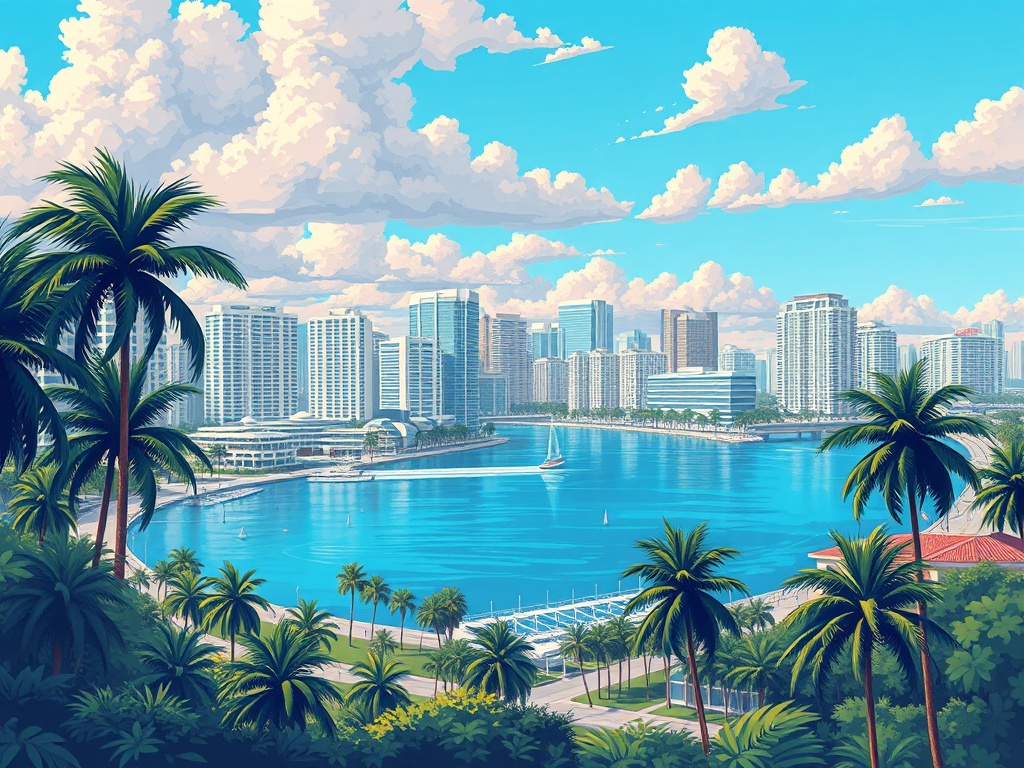
Fort Lauderdale’s identity is woven through its waterways. Nicknamed the “Venice of America,” the city offers a mix of sun-soaked beaches, buzzing dining corridors, and a boating culture that shapes local life.
Whether arriving by yacht, cruise, or car, understanding the waterways and coastal scene makes visits richer and more relaxing.
Boating and the Intracoastal Waterway
The Intracoastal Waterway runs like an urban river through the city, connecting marinas, private docks, and waterfront restaurants. Day-trippers and liveaboards alike benefit from a well-developed marina network offering transient slips, fuel, pump-out stations, and maintenance services. For those navigating local channels, be mindful of posted speed limits, bridge schedules, and marked shallow areas. Wildlife protection zones—especially where manatees and seagrass beds are present—require slow speeds and no-anchoring rules to preserve fragile habitats.
Port Everglades and Private Yachting
Port facilities handle everything from commercial shipping to luxury yachting. Private boaters should check customs procedures if arriving internationally and confirm marina amenities in advance—diesel availability, shore power, and concierge services vary by facility. Local marinas often provide short-term slips for visitors exploring Las Olas Boulevard and the Riverwalk area.
Waterfront Dining and Nightlife
Las Olas Boulevard anchors Fort Lauderdale’s dining, shopping, and nightlife scene. Walkable and vibrant, it offers waterfront terraces, craft cocktail bars, and seafood-focused menus that pair well with sunset views.
For a different pace, the Riverwalk Arts & Entertainment District hosts galleries, live music, and theater offerings along shaded promenades.
Many restaurants welcome arriving guests by boat—call ahead to reserve a dock or check for transient moorage.
Beaches, Parks, and Outdoor Activities
Fort Lauderdale Beach is ideal for sunbathing, boardwalk strolls, and watersports rentals. Snorkeling and diving opportunities exist offshore and around nearby reefs, while parks like Hugh Taylor Birch provide shaded trails, kayaking, and picnic spaces between beach and city.
For a wild contrast, eco-tours launch toward nearby wetland areas where airboat rides and guided paddles reveal unique ecosystems and birdlife.
Sustainability and Responsible Recreation
The local community increasingly embraces eco-conscious boating and tourism. Simple practices—using non-toxic sunscreen, avoiding anchoring on seagrass, disposing of trash and fishing line properly, and utilizing pump-out stations—have a big positive impact. Several operators now offer electric or low-emission boat tours and participate in seagrass restoration and coastal cleanups, making it easier for visitors to enjoy the waterways responsibly.
Practical Tips for Visitors
– Reserve marina slips and restaurant docks in advance during busy seasons.
– Use the Water Taxi or ride-share ferries to avoid parking hassles near Las Olas and the beach.
– Check weather and bridge openings before setting out; local apps provide live marina info and tide conditions.
– Respect posted wildlife zones and watch for swimmers in popular beach areas.
– Pack a reusable water bottle and reef-safe sunscreen to protect both yourself and the marine environment.
Fort Lauderdale’s blend of boat culture, beachfront relaxation, and vibrant urban life makes it a compelling destination for outdoor lovers and urban explorers alike. Planning ahead and choosing sustainable options helps ensure the waterways remain healthy and welcoming for everyone.
