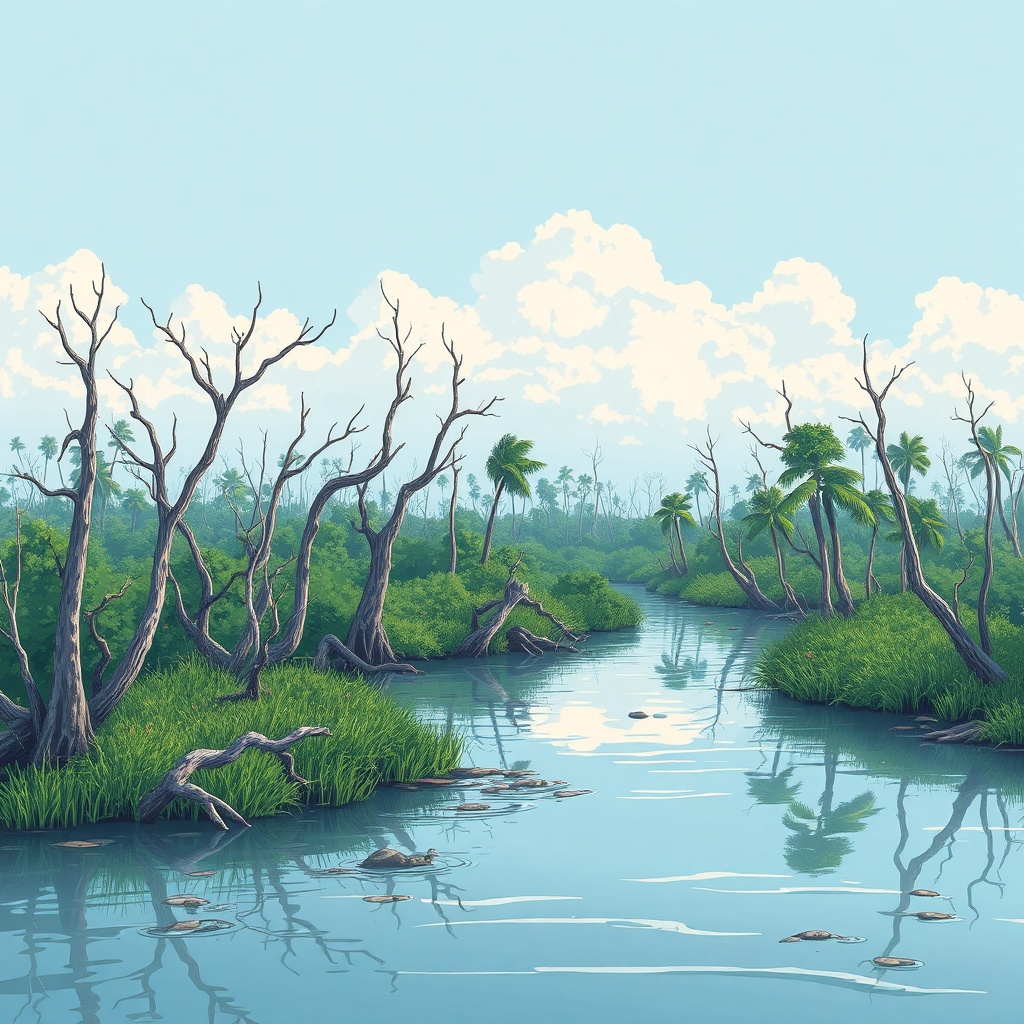
The Everglades is a unique mosaic of sawgrass marshes, mangrove estuaries, hardwood hammocks, and freshwater sloughs that supports an astonishing variety of life. This slow-moving “river of grass” shapes South Florida’s landscape and cultural identity, and its health is tightly linked to water flow patterns, land use, and conservation efforts.
What makes the Everglades special
At the heart of the Everglades is a delicate hydrologic system: seasonal sheet flow of freshwater from inland wetlands toward coastal estuaries. That flow maintains sawgrass wetlands, nourishes mangrove forests, and sustains the food webs that support wading birds, fish, turtles, and large predators. Iconic species—American alligators, wading birds like herons and egrets, and elusive mammals such as the Florida panther—depend on intact habitats and a balanced water regime.
Current conservation focus
Restoration of natural water flow and improved water quality are central goals for agencies and conservation groups working in the region.
Projects designed to capture and store stormwater, reduce nutrient runoff, and reconnect fragmented wetlands aim to restore the timing and distribution of freshwater across the landscape. These efforts also work to reduce harmful algal blooms and protect estuaries that support fisheries and coastal communities.
Key threats to watch
– Altered hydrology: Water redirected for agriculture, urban use, and flood control has fragmented the original sheet flow, converting many wetlands and changing habitat conditions.
– Water quality: Elevated nutrient loads, especially phosphorus from agricultural runoff, can shift native plant communities and fuel algal growth.
– Invasive species: Non-native animals and plants can outcompete native species and disrupt food webs; managing invasives remains an ongoing challenge.
– Climate impacts: Sea level rise and changing rainfall patterns are increasing salinity intrusion into freshwater habitats and stressing coastal ecosystems.
– Development pressure: Urban expansion near the Everglades creates heat islands, increases runoff, and fragments wildlife corridors.
Wildlife to look for
Birdwatchers will find the Everglades exceptional—wading birds concentrate where water depths suit feeding, creating spectacular rookeries during nesting seasons. Water mammals and reptiles also thrive when hydrology supports healthy wetlands. Efforts to protect corridors and increase habitat connectivity are key to ensuring populations of wide-ranging species remain viable.
Visiting responsibly
Ecotourism provides vital funding and public support for conservation when done responsibly. Recommended ways to experience the Everglades include guided paddling trips, boardwalks that showcase marsh and mangrove habitats, and ranger-led programs that explain ongoing restoration work.
Avoid private airboat operators in sensitive interior wetlands and follow Leave No Trace principles: stay on designated trails, respect wildlife, and carry out all trash.
How to help
Supporting restoration organizations, volunteering for habitat restoration or citizen-science monitoring, advocating for policies that prioritize natural water flow and clean water, and choosing low-impact recreation all contribute to the Everglades’ recovery. Local and regional cooperation among water managers, tribes, scientists, and communities is essential to balance human needs with ecosystem health.
Why it matters
The Everglades is more than a protected area; it’s a working landscape that provides drinking water, storm protection, carbon storage, and recreational opportunities. Restoring its natural functions benefits people and wildlife alike, making the Everglades a conservation priority with global significance.