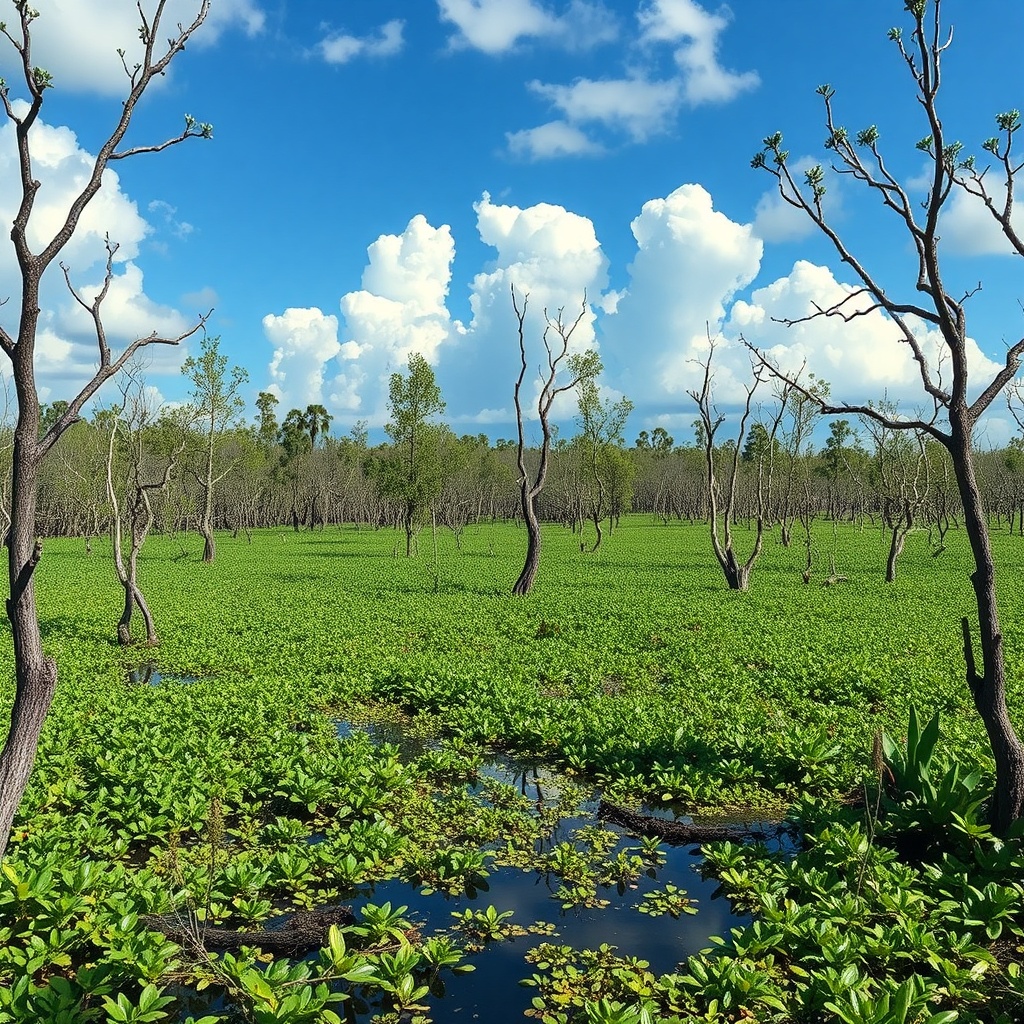
Everglades Restoration and Conservation: Protecting Wildlife, Water, and the River of Grass

The Everglades is a living mosaic — a slow-moving river of sawgrass, mangrove-lined estuaries, and cypress domes that supports an extraordinary array of wildlife and underpins South Florida’s water supply.
Because of its unique hydrology and biodiversity, the region is both ecologically priceless and a high priority for conservation and restoration work.
Why the Everglades matters
The Everglades functions as a natural filter and sponge: seasonal freshwater flow recharges aquifers, pushes nutrients into coastal estuaries, and sustains habitats from freshwater marshes to brackish mangroves. Its wetlands are critical for wading birds, migratory species, fish nurseries, and apex predators like the American alligator and the elusive Florida panther. Protecting this landscape also protects water quality and coastal resilience for millions of people living downstream.
Key environmental pressures
– Altered water flow: Dams, canals, and urban development have changed the timing and distribution of freshwater, shriveling marshes that depend on seasonal sheetflow. Restoring more natural hydrology is central to recovery efforts.
– Nutrient pollution: Runoff from agriculture and urban areas can trigger algal blooms and shifts in plant communities.
Reducing phosphorus and other pollutants remains a top priority for managers.
– Invasive species: Plants such as melaleuca and animals like Burmese pythons displace native species and restructure ecosystems, complicating wildlife management and public safety.
– Climate change and sea-level rise: Rising seas push saltwater inland, altering freshwater habitats and mangrove boundaries. Managers are increasingly using adaptive strategies to maintain ecosystem function as conditions change.
Restoration and adaptive management
Long-term restoration relies on large-scale engineering, science-based monitoring, and stakeholder collaboration.
Efforts include re-establishing natural water flow, upgrading water storage and treatment, and protecting remaining wetlands. Adaptive management — adjusting actions based on monitoring results — helps balance needs for flood control, water supply, and ecosystem recovery. Community engagement, from local landowners to Indigenous groups and recreational users, supports durable solutions.
Wildlife highlights
Birdwatchers can find herons, egrets, roseate spoonbills, and large flocks of migratory species when freshwater is abundant. Reptiles and amphibians are abundant; alligators create critical wet-season habitat by digging ponds that smaller species use. The Florida panther remains one of the most important conservation priorities, and continued habitat protection and wildlife crossings are essential to reduce vehicle collisions.
Visiting responsibly
A visit can be unforgettable, but low-impact choices make a difference:
– Stay on designated trails and boardwalks to protect sensitive vegetation and nesting sites.
– Choose guided tours with operators that follow park regulations and local best practices.
– Avoid feeding wildlife and maintain safe viewing distances to reduce stress on animals.
– Check official park resources for conditions and closures before you go.
How to support recovery
Support can take many forms: volunteering with restoration nonprofits, advocating for strong water-quality regulations, or contributing to local conservation organizations. Staying informed and voting for smart land-use and water policies has direct consequences for the future of the ecosystem.
The Everglades continues to adapt and recover through coordinated science, policy, and community action. Protecting its slow river of grass preserves biodiversity, safeguards water resources, and maintains a living landscape that remains one of the region’s most valuable natural assets.