
Fort Lauderdale blends classic coastal charm with a lively, evolving urban scene.
Known for its wide beaches and extensive waterways, the city offers a mix of outdoor recreation, cultural attractions, and a dining scene that draws both visitors and locals.
Beaches and the Waterways
Fort Lauderdale’s beaches remain the biggest draw. Wide stretches of sand, calmer surf compared with more exposed Atlantic shores, and easy beachside amenities make them ideal for sunbathing, swimming, and long walks.
The Intracoastal Waterway threads through the city, creating a network of canals lined with private docks, waterfront homes, and lively marinas. Boating is part of the local culture — charter fishing, sunset cruises, and private yacht rentals are readily available.
Las Olas and Walkable Neighborhoods
Las Olas Boulevard is the heart of downtown life: shops, art galleries, bistros, and nightlife converge along a pedestrian-friendly corridor that connects to the waterfront Riverwalk.
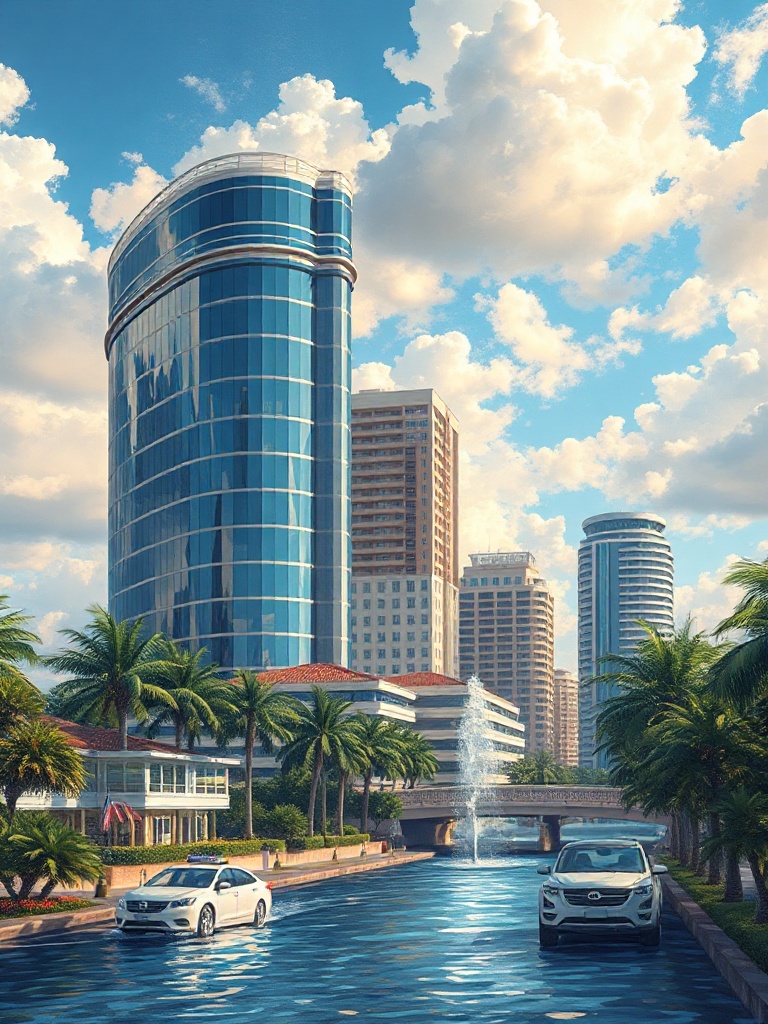
Nearby neighborhoods such as Victoria Park, Sailboat Bend, and Colee Hammock offer tree-lined streets, bungalow architecture, and easy access to cafes and parks. For a more industrial-turned-creative vibe, the FATVillage Arts District hosts galleries, studio tours, and pop-up events that showcase local artists and designers.
Cultural and Family-Friendly Attractions
The cultural calendar includes performing arts at major venues, contemporary exhibits at regional museums, and family-friendly attractions like science centers and nearby ecological preserves.
Riverwalk Arts & Entertainment District provides a concentration of theaters and galleries within walking distance of downtown dining and waterfront parks, making it easy to combine an evening performance with a waterfront meal.
Dining, Nightlife, and Breweries
The culinary scene has expanded beyond seafood and classic Floridian fare. Waterfront restaurants with fresh-caught seafood sit alongside innovative bistros, Latin-influenced eateries, and craft breweries. Food halls and casual spots keep the offering diverse and accessible, while rooftop bars offer skyline and water views for evening relaxation.
Port Everglades and Travel Access
Port Everglades is a major cruise and cargo hub, making the city a gateway for travelers. The nearby international airport offers frequent flights, and higher-speed rail service provides connections to neighboring metro areas, increasing regional accessibility for both commuters and visitors.
Outdoor Recreation and Natural Areas
Beyond beaches, Fort Lauderdale is a launch point for Everglades excursions and eco-tours.
Kayaking, paddleboarding, and guided nature trips let visitors experience mangroves, coastal wildlife, and birding hotspots. Several parks and greenways support cycling, jogging, and picnicking, while marina rental options cater to anglers and divers.
Resilience and Sustainability
As a coastal community, Fort Lauderdale is actively addressing sea-level rise and storm resilience. Efforts include shoreline restoration, upgraded stormwater systems, and building codes designed to mitigate flood risk. These projects aim to protect infrastructure while enhancing public spaces and promoting sustainable urban growth.
Insider Tips
– Take a water taxi for a scenic, flexible way to explore neighborhoods and waterfront dining options.
– Visit local markets and art walks to find unique crafts and sample neighborhood foods.
– If planning a boating day, book slip space or tours in advance during peak travel periods.
– Pack reef-safe sunscreen and respect local marine habitats when snorkeling or diving.
Fort Lauderdale balances relaxed beach life with an active cultural and culinary identity. Whether drawn by boating, arts, or a waterside stroll, the city offers a range of experiences for short visits or longer stays.
