Top pick: Fort Lauderdale Waterfront Guide: Beaches, Boating, Dining & Neighborhoods

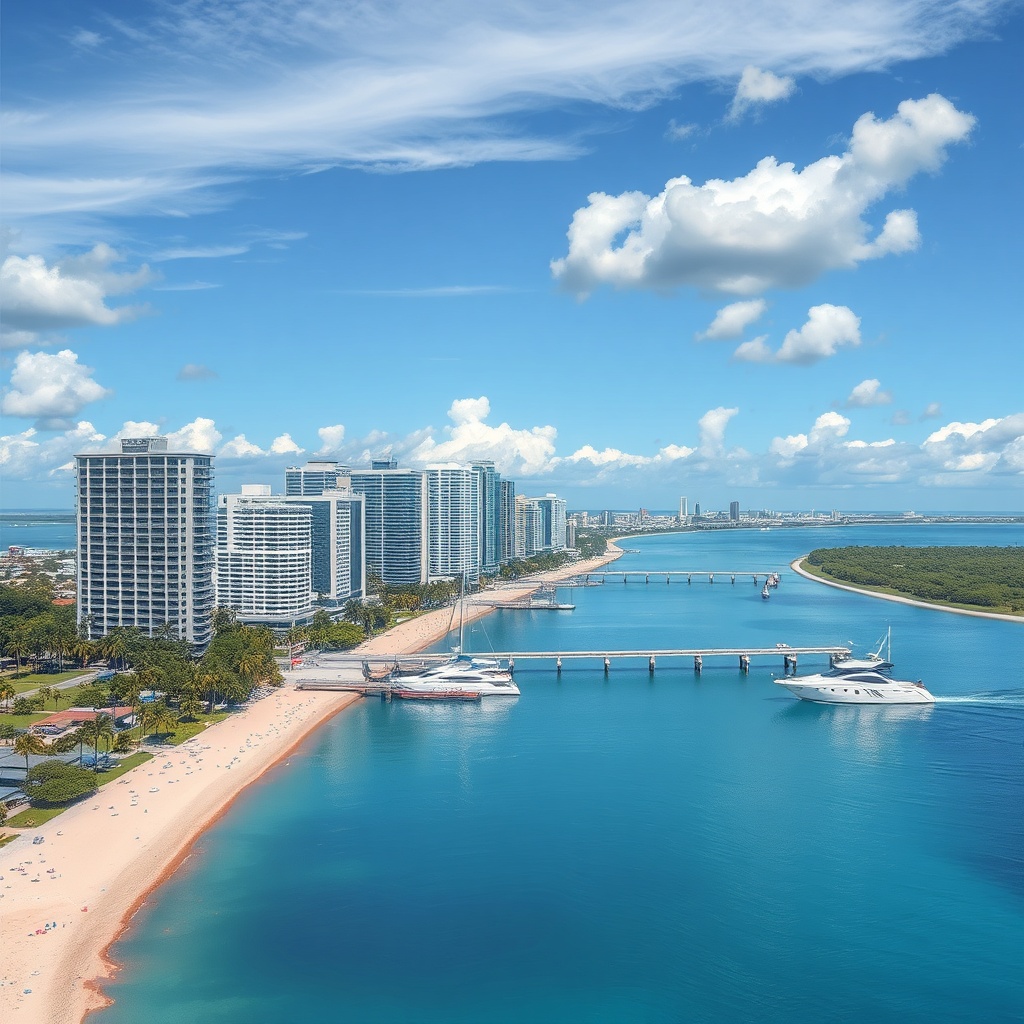
Fort Lauderdale’s identity is shaped by water: miles of beaches, an intricate canal system, and a lively waterfront culture that blends leisure, dining, and outdoor adventure. For anyone planning a visit or re-evaluating life by the shore, the city offers a mix of classic seaside charm and modern urban energy.
Why the waterfront matters
The Intracoastal Waterway threads through Fort Lauderdale, creating a boating lifestyle few cities can match.
Private yachts, fishing boats, and party craft share the same shimmering avenues, while water taxis and sightseeing cruises let visitors experience the city from its most scenic angle.
Waterfront dining is a major draw—al fresco restaurants line the canals and Las Olas Boulevard, serving seafood-forward menus alongside craft cocktails and sunset views.
Neighborhood highlights
Las Olas Boulevard functions as the city’s heartbeat: boutique shopping, galleries, and trendy cafés clustered within walkable blocks.
A short stroll from there lies the Riverwalk Arts & Entertainment District, where performance venues, museums, and seasonal markets activate the downtown waterfront. For a creative vibe, FATVillage hosts open-studio nights and pop-up events that spotlight local artists, makers, and small-batch food vendors.
Beach and outdoor recreation
Fort Lauderdale Beach remains a signature attraction, anchored by its wide promenade where joggers, cyclists, and rollerbladers share oceanfront views. Water sports are abundant—stand-up paddleboarding, snorkeling, and guided kayak tours into nearby mangroves are easy to book.
For a quieter escape, historic Bonnet House offers lush gardens and a glimpse into coastal preservation, while Everglades excursions are available for those wanting to explore unique South Florida ecosystems.
Sustainable growth and resilience
Coastal cities face shifting climate realities, and Fort Lauderdale is adapting with visible resiliency efforts. City planners and developers are incorporating higher seawalls, improved stormwater systems, and living shoreline projects that blend native vegetation with engineered protections. Green building practices and restored wetlands are increasingly part of new development plans, reflecting a broader commitment to long-term coastal stewardship while maintaining the city’s economic vitality.
Getting around
Navigating Fort Lauderdale is straightforward thanks to multiple options: a compact downtown that’s friendly to walking, efficient local shuttles, and a network of water taxis that double as public transit.
Intercity rail and regional connections make day trips to neighboring destinations simple for those who prefer not to drive. For cruise travelers and air travelers, the city’s transportation hubs support seamless transitions between modes of travel.
Food and nightlife
The dining scene has expanded beyond seafood and casual beach bars into a diverse culinary landscape.
From chef-driven restaurants on Las Olas to casual taco spots and international eateries in emerging neighborhoods, there’s something for every palate.
Evening entertainment ranges from live music venues and rooftop bars to cultural performances at downtown theaters.
Tips for visitors and new residents
– Book water-based activities early, especially weekend excursions and sunset cruises.
– Explore canals by water taxi for a unique perspective of the city’s architecture and marina life.
– Check local event calendars for art markets, outdoor concerts, and food festivals to catch the city at its liveliest.
– If considering a move, evaluate neighborhoods for flood mitigation measures and proximity to transit.
Fort Lauderdale balances relaxed coastal living with growing urban sophistication. Whether you’re drawn by the boating culture, the culinary scene, or the outdoor lifestyle, the city continues to evolve while holding fast to the sun-and-sea allure that defines it.
