
Miami blends sun-soaked beaches, bold art, global cuisine, and fast-moving commerce into a city that’s always in motion. Whether you’re planning a visit, scouting neighborhoods to live in, or simply curious about what makes this metro area special, understanding the mix of culture, climate action, and urban energy helps you make the most of Miami.
Neighborhoods that define the city
– South Beach: Famous for Art Deco architecture, wide sandy beaches, and an active nightlife scene.
It’s a go-to for sunbathing, people-watching, and iconic oceanfront promenades.
– Wynwood: A creative hub known for large-scale murals, independent galleries, and a thriving street-art scene that fuels cafes, breweries, and specialty shops.
– Design District: Luxury shopping and forward-thinking architecture meet galleries and design showrooms, making it a magnet for art and style-focused visitors.
– Brickell: The financial heartbeat with high-rise living, dynamic restaurants, and a growing tech and startup presence that keeps the city’s economy humming.
– Little Havana: A cultural cornerstone where Cuban cuisine, live music, and vibrant small businesses offer a taste of Miami’s Caribbean influences.
– Coconut Grove and Coral Gables: Lush canopy streets, boutique shops, and an older, quieter residential feel appeal to families and those seeking a slower pace.
Food and drink
Miami’s culinary identity reflects its multicultural roots.
Expect Cuban coffee and classic Cuban sandwiches, fresh ceviche and seafood that arrives daily, and a lively Latin American and Caribbean dining scene. Fusion restaurants push creative boundaries while decades-old eateries keep beloved local traditions alive.
For a local experience, try a small neighborhood cafecito or explore food hall concepts that bring multiple cuisines under one roof.
Arts, events, and nightlife
The city’s arts calendar is dense and diverse. Street art and independent galleries in Wynwood coexist with large-scale exhibitions and international fairs. Nightlife ranges from old-school dance halls to rooftop lounges and beach clubs—there’s an option for late-night revelers and those who prefer a mellow evening out.
Climate resilience and urban planning
Miami’s geography requires constant attention to water and weather. City leaders and developers are investing in resilient infrastructure such as elevated roadways, upgraded stormwater systems, seawalls, and native vegetation restoration like mangroves. At the building level, stricter codes encourage flood-resistant design and smarter site planning. These measures are shaping how Miami grows while protecting neighborhoods and assets.
Getting around
Public transit options include a people-mover in the downtown core, a regional rail line, and bus networks that connect major neighborhoods.
Ride-shares and electric scooters provide flexible short-distance travel, while car share and rental options remain useful for beach hopping or exploring farther-flung parks and waterways.
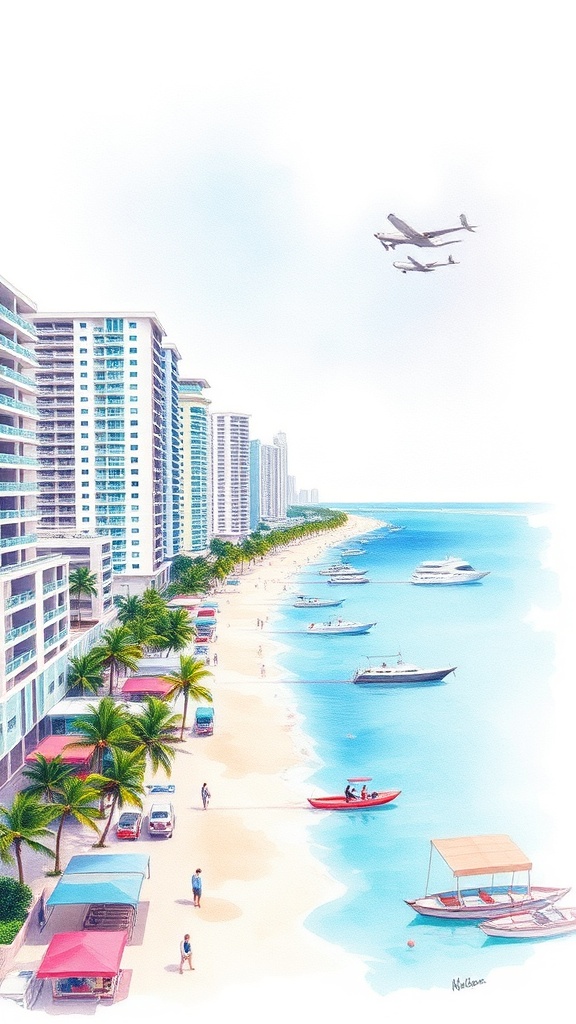
Traffic can be heavy during peak times, so plan accordingly.
Insider tips
– Pack lightweight, breathable clothing and a versatile rain jacket; sudden showers are common in warm months.
– Book popular restaurants and cultural experiences in advance, especially for prime weekend times.
– Explore beyond tourist corridors to discover local markets, hidden bars, and neighborhood festivals.
– Respect natural areas—Everglades and coastal preserves require careful stewardship to protect fragile ecosystems.
Miami’s strength is its contrasts: high-rise commerce and relaxed beach culture, international influences and neighborhood traditions, modern resilience planning and timeless natural beauty. That mix keeps the city vibrant and worth exploring again and again.
