Florida Coastal Resilience Guide: Protect Homes, Businesses & Beaches from Rising Seas

Florida’s coastline draws millions for sun and sand, but rising seas and stronger storms are reshaping how residents, businesses, and local governments plan for the future. Coastal resilience is now a central part of life across the state, and understanding practical steps can help protect property, preserve ecosystems, and keep tourism thriving.
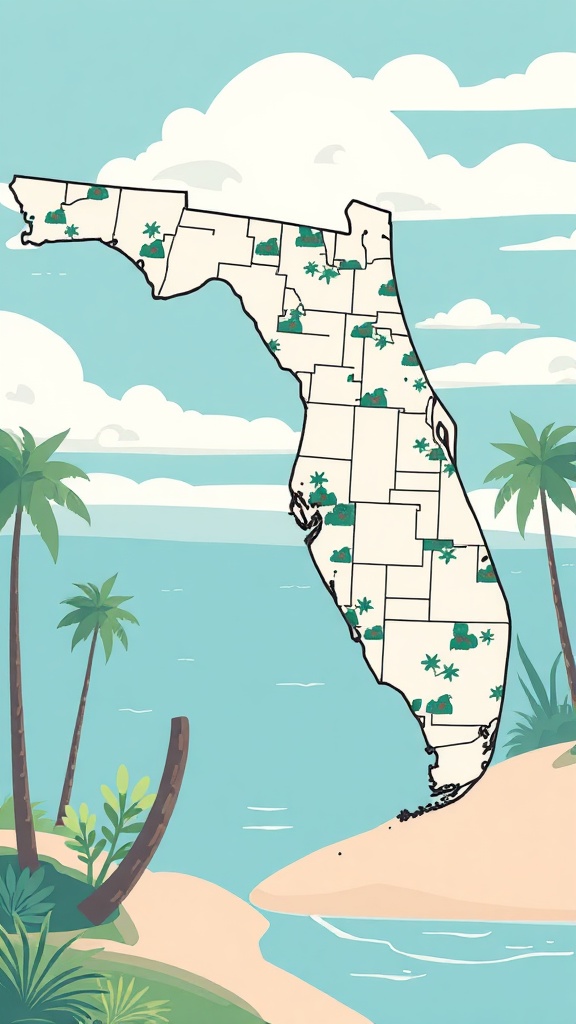
Why resilience matters
Sea level rise and more intense coastal storms increase flooding, erode beaches, and threaten infrastructure from roads to septic systems. For property owners, that can mean higher insurance costs, reduced property values, and repeated repair bills. For communities, it translates to expensive emergency response and lost revenue when beaches or attractions are closed. Building resilience reduces risk and stabilizes local economies.
Strategies communities are using
– Living shorelines and mangrove restoration: Natural buffers like mangroves, salt marshes, and oyster reefs absorb wave energy, reduce erosion, and provide habitat.
Many municipalities and nonprofits are prioritizing these green solutions because they often cost less over time than hard armoring and deliver ecological benefits.
– Elevated infrastructure: Coastal roads, bridges, and utilities are being raised or redesigned to tolerate higher water levels.
Utility corridors are being hardened and critical facilities relocated above flood levels to maintain services during storms.
– Managed retreat and land-use planning: Instead of fighting the water, some areas are shifting development away from the most vulnerable zones through buyouts, zoning changes, and incentives for relocation. Thoughtful land-use planning reduces future exposure and can free up space for natural floodplains.
– Beach nourishment and dune restoration: Regular sand replenishment and dune vegetation programs protect tourism assets and provide a buffer against storm surge. These efforts are often combined with public-private partnerships to share costs.
– Updated building codes: Stricter codes for elevation, wind resistance, and floodproofing lower long-term risk and can reduce insurance premiums. Communities are increasingly adopting model codes that reflect current risk profiles.
What homeowners can do
– Assess vulnerability: Start with a property elevation survey and consult local flood maps. Understanding your specific risks guides smart decisions.
– Elevate and retrofit: Elevating living spaces, installing flood vents, and switching to flood-resistant materials reduce damage during events. Consider elevating HVAC units, electrical panels, and critical systems.
– Improve drainage: Simple fixes such as grading, permeable pavers, and rain gardens can reduce localized flooding.
Sump pumps with battery backups are essential in many coastal homes.
– Consider insurance options: Review flood insurance coverage and deductibles, and explore mitigation credits that may lower premiums. Understand what policies cover and plan for out-of-pocket expenses.
– Prepare emergency plans: Keep an evacuation plan, go-bag, and digital copies of important documents. Regularly review and rehearse plans with family or tenants.
Opportunities for businesses and investors
Investing in resilient design adds market value and reduces downtime. Hotels and attractions that publicize resilience measures can reassure visitors and maintain bookings during off-peak weather windows. Real estate investors should factor long-term resilience into purchase decisions, prioritizing properties with mitigation measures or locations less exposed to chronic flooding.
Community involvement and funding
Local engagement—from volunteer mangrove plantings to neighborhood preparedness workshops—builds social resilience. Funding for projects often comes from a mix of local budgets, state and federal grants, and private partners. Tracking available programs and collaborating with regional planning councils can unlock resources for larger projects.
Adapting to a changing coastline is both a challenge and an opportunity. By combining natural solutions, smarter planning, and targeted upgrades, Florida’s communities can protect what matters most while preserving the beaches, parks, and neighborhoods that define the state’s appeal.

