
Florida’s coastal communities face a unique mix of opportunity and risk: stunning beaches, booming tourism, and growing populations sit alongside rising seas, stronger storms, and increasing flood exposure.
That combination makes coastal resilience and household preparedness essential for anyone living in or moving to the state.
Why resilience matters
Florida’s low-lying geography and extensive shoreline amplify the impacts of coastal hazards. Storm surge, extreme rainfall and chronic tidal flooding can damage homes, disrupt utilities and cause long recovery times. Beyond property loss, these events affect insurance affordability, infrastructure reliability and long-term community investment. Building resilience reduces recovery costs, protects livelihoods and preserves quality of life.
Practical steps for homeowners
– Assess flood risk: Use local flood maps and elevation data to understand your property’s vulnerability.
Don’t rely solely on mortgage- or policy-required determinations—check updated mapping tools from local governments and trusted sources.
– Review insurance coverage: Standard homeowner policies often exclude flood damage. Evaluate flood insurance options, compare deductibles and understand windstorm vs.
flood limits.
Keep an inventory of belongings and store documentation in a safe, accessible location.
– Harden your home: Install impact-resistant windows or storm shutters, reinforce garage doors and anchor roof systems when recommended. Elevate critical utilities—HVAC units, hot water heaters and electrical panels—above expected flood levels when feasible.
– Manage landscaping and drainage: Slope soil away from foundations, maintain gutters and downspouts, and consider native, deep-rooted plants that stabilize soil and absorb runoff.
Permeable driveways and rain gardens help reduce stormwater flow.
– Create an emergency plan: Prepare evacuation routes, a communication plan with family members, and a go-bag with essential documents, medications and supplies for several days.
Know community evacuation zones and shelter options.
– Invest in retrofit solutions: For older homes, look into elevation, floodproofing, and installing backflow valves or sump pumps as appropriate. Grants and incentives are sometimes available through local resilience programs.
Community actions that matter
Resilience isn’t just an individual effort. Local governments, utilities and developers play a major role by updating building codes, investing in nature-based defenses like mangrove and dune restoration, and improving stormwater systems. Communities that combine natural buffers—wetlands, barrier islands and coastal vegetation—with engineered solutions like sea walls and pump stations tend to fare better during extreme events.
Economic and environmental balance
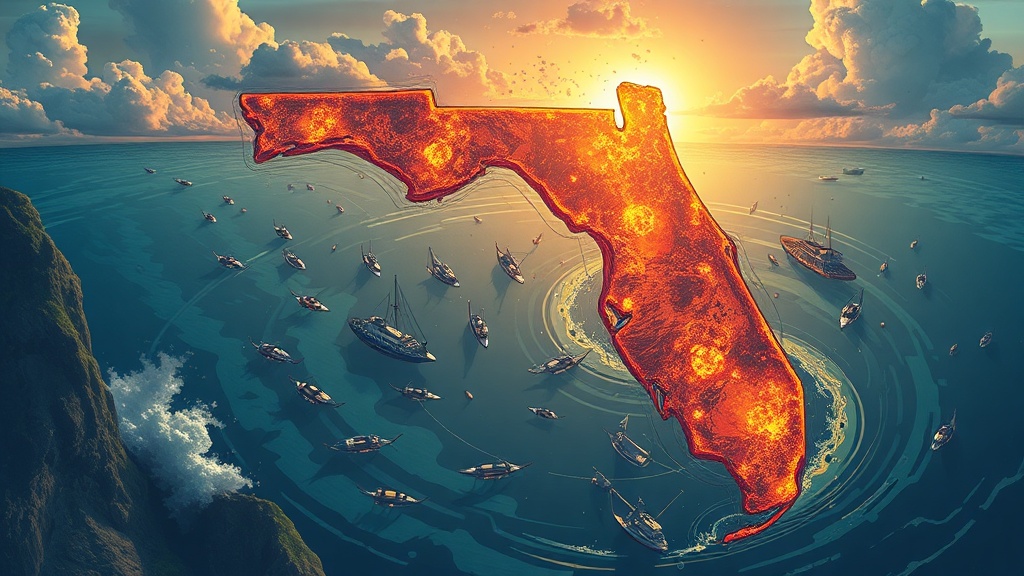
Efforts to strengthen resilience should balance protecting property and preserving ecosystems. Wetlands and beaches provide natural flood attenuation and support tourism and fisheries; protecting them supports both local economies and natural defenses.
Thoughtful planning can steer new development away from the most vulnerable zones and encourage adaptive reuse of existing areas.
Staying informed and proactive
Homeowners, renters and businesses should monitor local planning initiatives and take advantage of resilience resources offered by municipalities and nonprofits.
Engage with community meetings, sign up for emergency alerts and explore funding assistance programs that can offset retrofit costs.
Preparing for the next storm or high tide is a long-term commitment that pays off in safety, lower recovery costs and peace of mind. Start with a risk assessment, update coverage and make incremental home improvements—small investments now can prevent major loss later.
