
The Everglades is one of the planet’s most distinctive and fragile ecosystems—a slow-moving “river of grass” that supports unique wildlife, stores carbon, and supplies fresh water to millions. Understanding what makes the Everglades special, what threatens it, and how people can help is essential for anyone interested in conservation, outdoor recreation, or regional water security.
What makes the Everglades unique
– A mosaic of habitats: sawgrass marshes, mangrove forests, cypress domes, marl prairies and coastal estuaries form an interconnected landscape. Seasonal pulses of shallow water shape plant communities and animal behavior.
– Keystone species: Florida panthers, wood storks, snail kites, manatees and wading birds rely on healthy wetland dynamics.
Many species have evolved precise timing for nesting and migration tied to water levels.
– Ecosystem services: the Everglades filters freshwater, recharges aquifers, buffers storm surge, and locks carbon in peat soils and living vegetation.
Main threats and how they interact
– Altered water flow: canals, levees and drainage for agriculture and urban development have fragmented natural sheet flow. This changes the timing, depth and duration of wet/dry cycles that native species depend on.
– Invasive species: nonnative plants like melaleuca and animals such as Burmese pythons disrupt food webs and outcompete native species, reducing biodiversity and complicating management.
– Nutrient pollution: fertilizer runoff from agricultural and urban areas fuels algal growth and changes plant communities, especially in historically low-nutrient marshes.
– Climate pressures: rising seas push saltwater inland and alter coastal wetlands.
Peat soils that have been drained can oxidize and release stored carbon, amplifying climate risks.
Restoration focus areas
Efforts to heal the Everglades center on restoring natural water flow, reducing nutrient inputs, and expanding storage and treatment of freshwater.
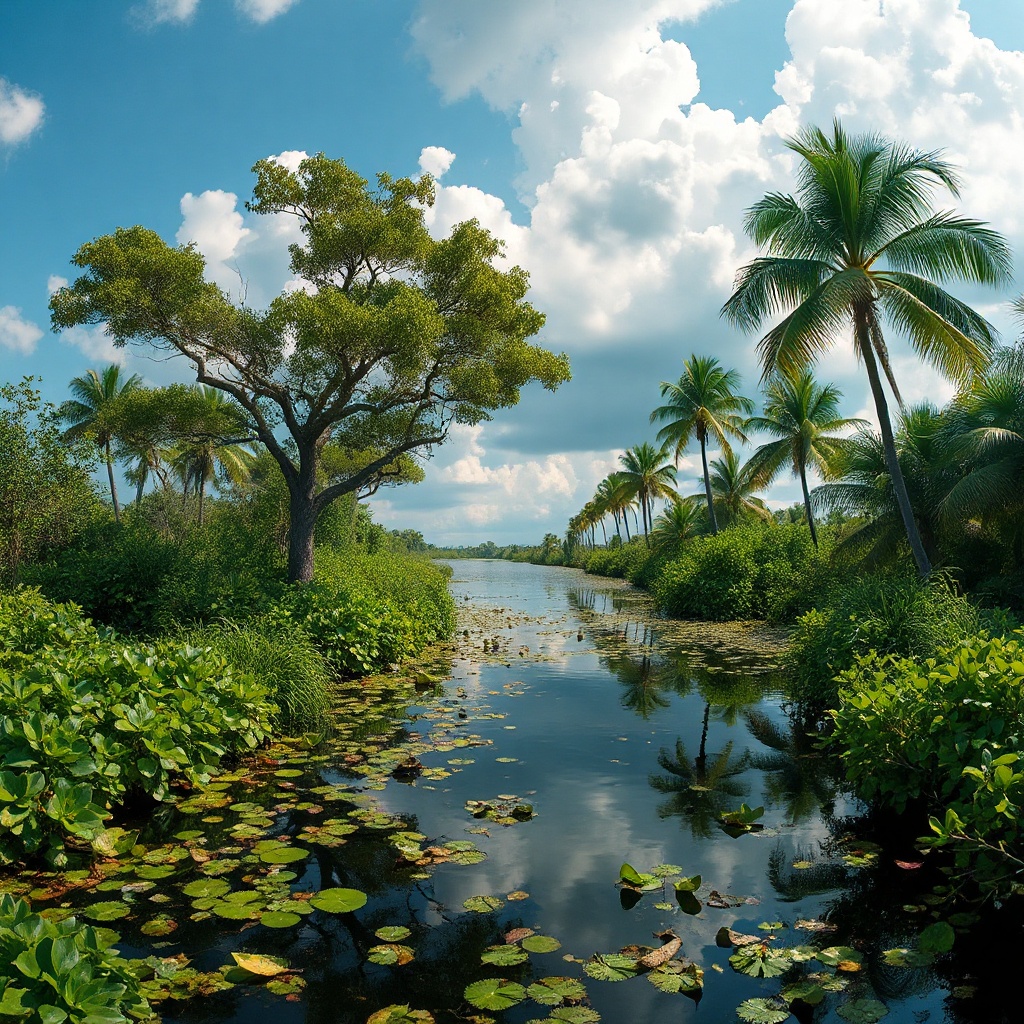
Projects include reconnecting river segments, building reservoirs and stormwater treatment areas to strip nutrients before water reaches sensitive marshes, and restoring altered river channels. Partnerships among federal, state, tribal and local entities plus conservation groups aim to balance water supply needs with ecosystem recovery.
Visiting responsibly
The Everglades rewards patient wildlife viewing and low-impact recreation. Popular spots include accessible boardwalks and trails where birds, alligators and unique plants can be seen without disturbing habitat. A few practical tips:
– Choose park-run trails and ranger programs for the best interpretive experiences.
– Stay on boardwalks and designated paths to protect fragile peat and plant communities.
– Be mindful of wildlife distances; feeding or approaching animals is dangerous and illegal.
– Expect insects in wetter areas and pack water, sun protection and appropriate footwear.
– Note that high-adrenaline airboat tours operate mostly outside the national park; consider smaller, eco-friendly options for quieter wildlife viewing.
How individuals can help
Small actions make a difference: reduce fertilizer use, support organizations working on Everglades restoration, advocate for smart water policy, volunteer for habitat restoration projects, and practice leave-no-trace recreation.
Tracking invasive species reports, supporting sustainable agricultural practices near the watershed, and voting for candidates who prioritize resilient water planning also help shape long-term outcomes.
The Everglades remains a working mosaic of nature and people. With sustained attention to water flow, pollution control and habitat connectivity, it can continue to provide critical ecological, cultural and water resources for generations to come. Exploring it with curiosity and care supports both the landscape and the communities that depend on it.
