Everglades Guide: Unique Ecosystem, Threats, Restoration Efforts, and How You Can Help

The Everglades is a vast, slow-moving river of sawgrass, mangroves, and waterways that defines much of southern Florida’s natural identity. This mosaic of habitats supports an astonishing range of wildlife and provides critical ecosystem services — from freshwater storage and storm buffering to nursery grounds for fish and carbon sequestration. Understanding what makes the Everglades special helps guide better stewardship and smarter visits.
What makes the ecosystem unique
Unlike a typical river, the Everglades is a broad, shallow flow of water moving through sawgrass marshes, tree islands, and coastal mangroves. Seasonal water levels create a dynamic environment: shallow inundation supports wading birds and fish, while dryer areas offer habitat for terrestrial species. That ecological rhythm underpins the rich biodiversity, including iconic species such as the Florida panther, West Indian manatee, American alligator, and a dazzling array of wading birds like roseate spoonbills and herons. The southernmost reaches also harbor the American crocodile and extensive mangrove forests that protect the coastline from storm surge and erosion.
Major threats and restoration efforts
The Everglades faces persistent challenges that undermine its health. Altered water flow from canals and development, nutrient pollution from agricultural runoff, invasive species, and rising sea levels that push saltwater into freshwater systems are among the most serious pressures. These stressors reduce habitat quality, shift plant communities, and threaten vulnerable wildlife.
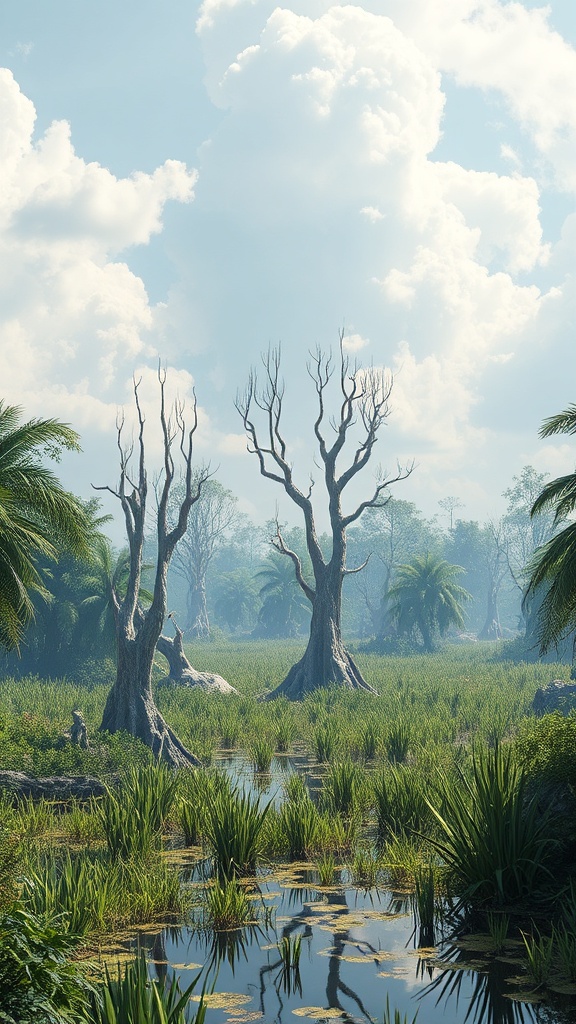
Large-scale restoration initiatives aim to restore more natural water flow, reduce nutrient loads, and enhance freshwater storage. Projects range from stormwater treatment areas and regional reservoirs that capture and clean water to land acquisitions and re-engineered flowways that reconnect fragmented wetlands. These efforts rely on partnerships among federal, state, tribal, and local agencies as well as conservation groups and private landowners.
Managing invasive species
Invasive plants and animals continue to reshape the landscape.
Non-native plants like melaleuca and aquatic invaders choke native marshes, while Burmese pythons prey on native mammals and disrupt food webs. Active management — trapping, targeted removal, biological controls, and public reporting — is essential to slow invasions and protect native biodiversity.
Visiting responsibly
The Everglades offers remarkable opportunities for wildlife viewing, paddling, hiking, and photography. To protect the fragile landscape and its inhabitants, follow these best practices:
– Stay on boardwalks and established trails to avoid trampling sensitive vegetation and disturbing wildlife.
– Never feed or approach wild animals; feeding alters behavior and can be dangerous.
– Pack out all trash and minimize fertilizer use at home to reduce nutrient runoff.
– Use guides or park ranger-led programs to learn about the landscape and the most sensitive areas to avoid.
– Check park advisories for trail conditions and closures before visiting.
How to get involved
Community involvement matters. Volunteer programs, citizen-science initiatives like water-quality monitoring or species surveys, and donations to conservation organizations all support long-term protection. Homeowners and farmers can reduce fertilizer runoff and implement water-saving practices that benefit the watershed downstream.
The Everglades is resilient but vulnerable. Thoughtful restoration, careful land use, invasive-species control, and responsible recreation can help ensure this unique river of grass continues to provide ecological, cultural, and economic benefits for generations to come.
