
Everglades: Why this unique wetland still matters and how you can help
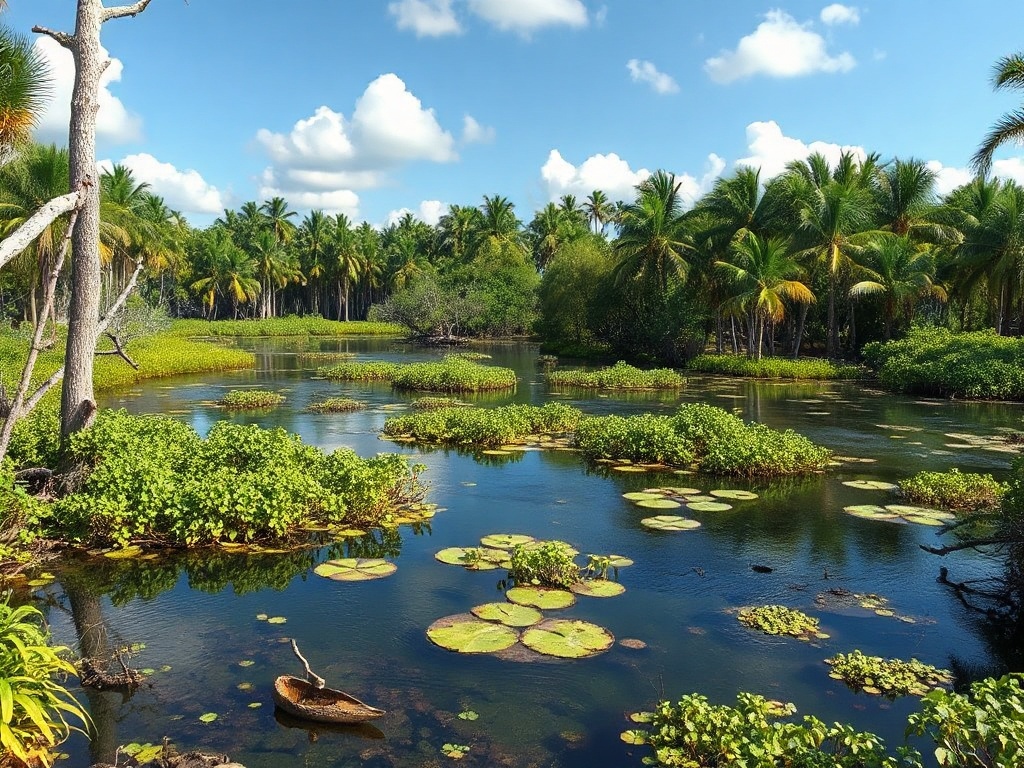
The Everglades is a one-of-a-kind subtropical wilderness that supports a mosaic of habitats — sawgrass marshes, marl prairies, mangrove forests, estuaries and pine rocklands. As a major freshwater source for South Florida and a critical nursery for marine life, the Everglades delivers essential ecosystem services: flood buffering, water filtration, carbon storage and biodiversity that supports commercial and recreational fisheries.
Major threats shaping the landscape
– Altered water flow: Historic drainage and water-control structures disrupted the sheet flow that once moved slowly from Lake Okeechobee to the southern estuaries. This change shifted plant communities, reduced habitat for wading birds, and stressed estuarine fisheries.
– Nutrient pollution: Runoff from agriculture and urban areas raises nutrient levels in wetlands, encouraging invasive cattail and algal blooms that can outcompete native sawgrass and seagrasses.
– Invasive species: Burmese pythons, exotic plants like Brazilian pepper and melaleuca, and other nonnative animals have altered predator-prey dynamics and outcompeted native flora and fauna.
– Climate pressures: Sea-level rise and stronger storm surges are accelerating saltwater intrusion into freshwater habitats, shifting mangrove boundaries and stressing freshwater-dependent species.
Conservation and restoration efforts
A broad coalition of federal, state, tribal and local partners is working to restore more natural water flow, improve water quality and increase system resilience. Strategies include reconnecting fragmented wetlands, building reservoirs and stormwater treatment areas that capture and clean runoff, and removing or modifying canals and levees that interrupt sheet flow. Restoration projects often pair engineering with habitat management — re-establishing ridges-and-sloughs patterns, protecting mangrove transition zones, and restoring hydrology to favor native plants and fish.
On-the-ground management also targets invasive species with coordinated removal programs, research into biological controls, and community science initiatives that help track problem species.
Restoring flow and reducing nutrient loads also benefits seagrass beds and estuaries, improving conditions for shrimp, snook, tarpon and other economically valuable species.
Wildlife and natural highlights
The Everglades supports iconic species: migratory and resident wading birds, manatees, the American crocodile, the elusive Florida panther in upland corridors, and diverse fish and invertebrate communities in Florida Bay and estuaries. Birdwatchers can spot herons, egrets, roseate spoonbills and wood storks; photographers and naturalists find unique opportunities in both interior marshes and mangrove-lined waterways.
How to visit responsibly
– Choose low-impact activities: Hiking, canoeing, kayaking and guided wildlife tours minimize disturbance. Airboats are popular for private wetlands but stick to designated operators and routes to reduce habitat damage.
– Pack out what you pack in: Leave no trace principles protect sensitive habitats and wildlife.
– Check regulations before backcountry camping or fishing and obtain required permits.
– Support local stewardship: Volunteer for cleanups, habitat restoration days, or citizen-science monitoring programs that track water quality and invasive species.
How you can help from home
– Reduce fertilizer use and sweep up yard clippings to limit nutrient runoff.
– Support organizations working on Everglades restoration and science-based water policy.
– Vote for local and regional plans that prioritize freshwater flow, land protection, and coastal resilience.
The Everglades is a living, changing system whose health affects millions. With coordinated restoration, thoughtful recreation, and everyday actions to reduce pollution and habitat loss, the Everglades can recover more of its natural functions — benefiting wildlife, coastal communities and the broader landscape for generations to come.
