
The Everglades is one of North America’s most distinctive and vital ecosystems — a slow, shallow “river of grass” that supports diverse wildlife, recharges aquifers, and buffers coastal communities from storms.
Stretching from the Kissimmee River basin through sawgrass marshes and mangrove forests to the coastal estuaries, the Everglades connects freshwater and marine worlds in ways few places on Earth do.
What makes the Everglades unique
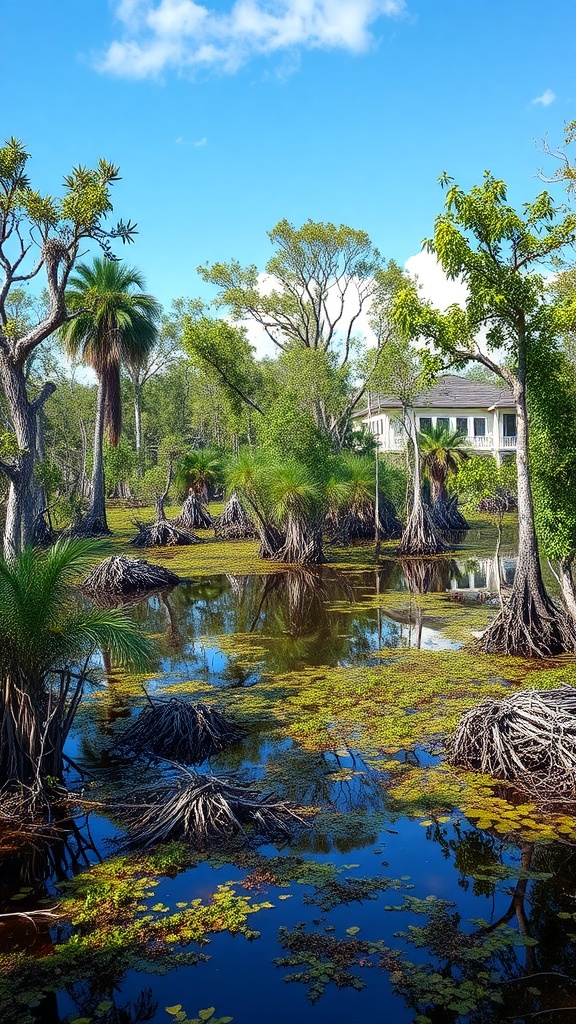
The landscape is defined by sheet flow: broad, slow-moving water that nourishes sawgrass prairies, tree islands, cypress swamps, and mangrove fringes. That hydrology shapes species adapted to wet-and-dry cycles — from wading birds like herons and egrets to large predators such as alligators and the rare American crocodile. Manatees, sea turtles, and an array of fish and invertebrates depend on the mixing of fresh and salt water where rivers meet the sea.
Major threats to the ecosystem
The Everglades faces multiple, interacting pressures. Altered water flow from canals, levees, and urban drainage has disrupted the timing and distribution of freshwater that native plants and animals need.
Agricultural runoff, particularly phosphorus-rich fertilizer, has changed nutrient dynamics and favored invasive plant species. Invasive animals, including large constrictor snakes, have caused declines in native mammal populations. Rising seas and saltwater encroachment threaten low-lying freshwater habitats and coastal mangroves, while continued development around the ecosystem increases fragmentation and pollution risk.
Restoration efforts and what they aim to achieve
A large-scale restoration effort brings together federal, state, tribal, and local partners to restore more natural water flows, improve water quality, and protect critical habitats.
Key strategies include reconnecting the river of grass by modifying roads and canals, removing or replacing flow-restricting bridges and culverts, and building treatment wetlands to reduce nutrient loads before freshwater reaches the marshes. Restoring water storage and delivery across the landscape helps mimic natural wet-dry cycles, supporting breeding for wading birds and sustaining vegetation patterns that shape the entire food web.
Practical ways people can help
– Reduce fertilizer use and follow local guidelines for lawn and garden care to limit nutrient runoff.
– Support conservation organizations and local advocacy for smart land-use planning and improved water management.
– Visit responsibly: stay on designated trails and boardwalks, use authorized guides for wildlife viewing, and follow park rules to minimize disturbance.
– Learn and share accurate information about invasive species and why removing them requires professional management.
Why it matters beyond the marsh
Healthy Everglades ecosystems provide essential services: groundwater recharge for drinking water, shoreline protection from storm surge, carbon storage in peat and mangrove soils, and recreational and cultural value for millions of residents and visitors.
Protecting the Everglades is also a test case for how to manage freshwater for people and nature in a changing climate.
A hopeful path forward
Although challenges are significant, progress on reconnecting flows and improving water quality shows how coordinated action can restore function across a vast landscape. Continued commitment from communities, policymakers, scientists, and visitors will determine how successfully the Everglades recovers. Protecting this living river of grass preserves biodiversity, safeguards water supplies, and sustains the natural character that makes the region so special. Consider learning more about local restoration projects and taking small, everyday steps that add up to big benefits for the Everglades.
