
Everglades: protecting the “River of Grass” and why it matters
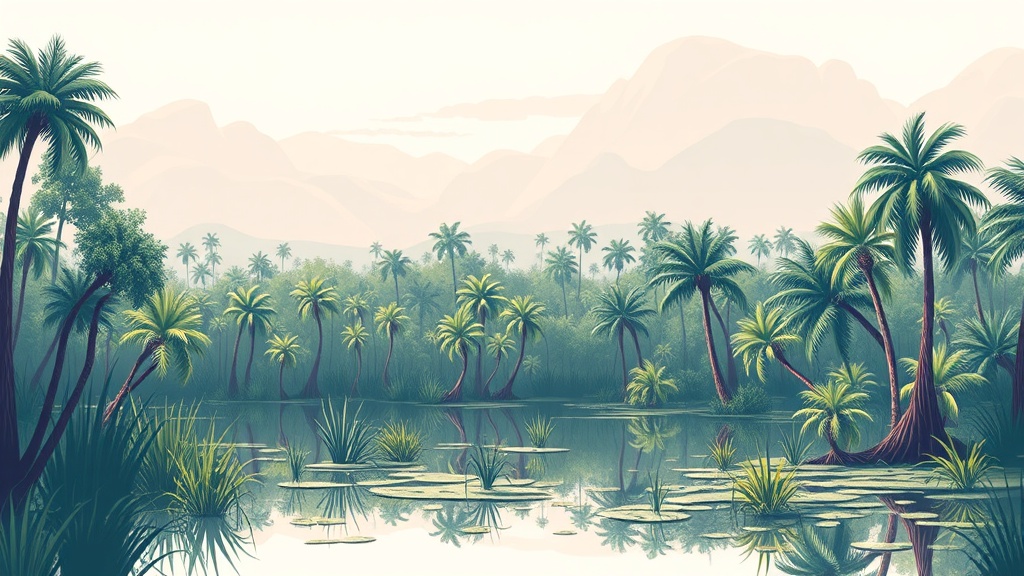
The Everglades is a vast subtropical wetland system that feeds coastal estuaries, supports iconic wildlife, and buffers communities from storms. Often called the “River of Grass,” this unique landscape is defined by shallow, slow-moving water flowing southward across sawgrass marshes into mangrove-lined estuaries. Its health is essential for drinking water supplies, fisheries, and biodiversity across the region.
What threatens the Everglades
– Altered water flow: Dams, canals, and urban water management have changed the timing and volume of freshwater reaching the marshes and estuaries, stressing plants and wildlife adapted to natural seasonal pulses.
– Nutrient pollution: Runoff from agriculture and developed areas increases phosphorus and nitrogen levels, which fuels algal growth and shifts plant communities away from native species.
– Invasive species: Non-native plants and predators disrupt food webs and outcompete native flora and fauna. Large invasive predators have contributed to declines in small mammal populations and have altered predator-prey dynamics.
– Sea level rise and subsidence: Rising seas and soil loss can convert freshwater marshes to open water and allow saltwater intrusion into aquifers and estuaries.
– Habitat fragmentation: Development around the Everglades reduces connected habitat corridors critical for wide-ranging species like the Florida panther.
Conservation and restoration efforts
Large-scale restoration initiatives seek to restore more natural water flow, reduce pollution, and reconnect fragmented habitats. Strategies include building water storage and treatment systems to capture and clean runoff, reconfiguring canals and levees to allow seasonal sheet flow, removing invasive species, and protecting land through acquisition and partnerships with local communities and stakeholders. Progress requires coordinated planning across agencies, municipalities, and private landowners to balance urban water needs with ecosystem recovery.
Wildlife and habitat highlights
The Everglades supports a remarkable array of species: wading birds congregate in productive shallow waters, alligators engineer wetland habitats, manatees frequent warm water refuges, and threatened species such as the Florida panther and American crocodile depend on connected habitat and intact prey bases. Mangrove shorelines and estuaries serve as nurseries for commercial and recreational fish, linking wetland conservation to coastal economies.
Visiting responsibly
Plan visits around the dry season for the best wildlife viewing, when animals concentrate at shrinking water bodies; the wet season offers dramatic rivers of grass and mosquito-prone conditions.
Popular entry points include visitor centers, boardwalks, hiking trails, airboat and boat tours, and guided paddles. Choose operators with strong environmental practices, stay on designated trails, respect wildlife viewing distances, and pack out all trash. For backcountry trips, secure permits and follow Leave No Trace principles to protect fragile habitats.
How you can help
– Reduce fertilizer use and manage stormwater on your property to limit nutrient runoff.
– Support local restoration organizations and community science programs that monitor water quality and wildlife.
– Choose sustainable tourism options and follow park guidelines to minimize impact.
– Stay informed and engage with public planning processes that shape water management and land-use decisions.
The Everglades is an ecosystem whose well-being connects inland communities to coastal fisheries and climate resilience. Ongoing restoration, thoughtful visitation, and everyday conservation choices all contribute to the long-term vitality of this irreplaceable landscape.
