
Miami’s iconic skyline and coastal lifestyle face a clear, ongoing test from rising seas, king tides, and stronger storms. The city’s response blends engineering, nature-based solutions, policy shifts, and community action—creating a model of urban resilience that other coastal cities are watching closely.
Why resilience matters
Miami’s economy, neighborhoods, and infrastructure are tightly linked to its waterfront. Flooding affects real estate values, transportation, public health, and tourism. Addressing these risks protects daily life and preserves the cultural and economic vibrancy that defines the region.
Key strategies shaping Miami’s response
– Elevated and flood-resistant infrastructure: Roads, electrical systems, and new buildings are being designed with higher elevations and flood-proofing in mind. Critical infrastructure upgrades include raising roadways, elevating electrical equipment and HVAC systems, and designing stormwater systems that manage both heavy rainfall and tidal flooding.
– Pumping and drainage improvements: More sophisticated pumping systems and upgraded drainage networks help move excess water during high-tide events and heavy storms.
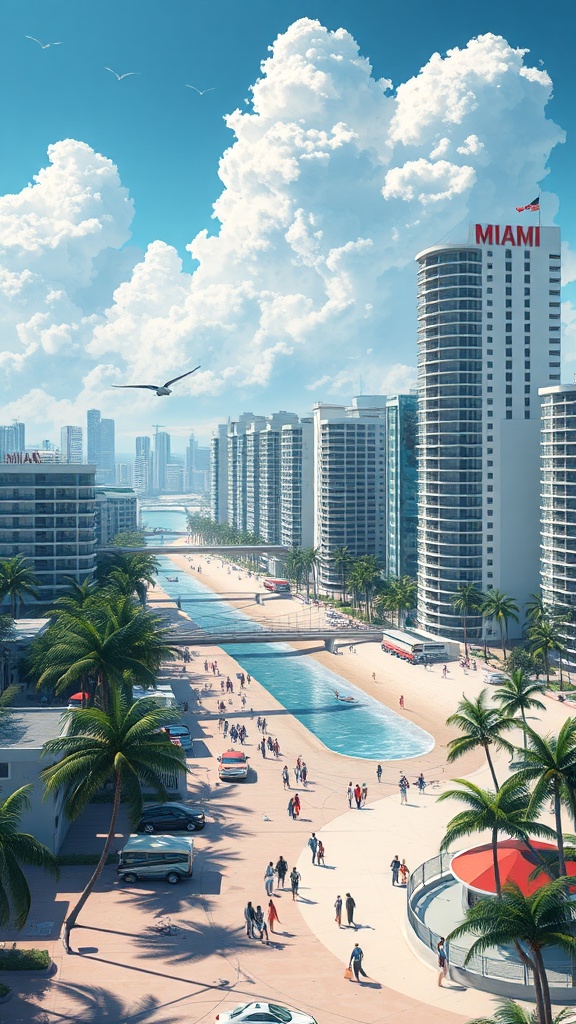
Combining mechanical pumps with gravity-based designs improves reliability while reducing the immediate impact of flooding on homes and businesses.
– Nature-based approaches: Restoring mangroves, wetlands, and living shorelines provides natural flood buffering while enhancing biodiversity. These green infrastructure solutions reduce wave energy, trap sediment, and offer added benefits such as improved water quality and habitat for coastal species.
– Policy and zoning updates: Building codes, land-use policies, and zoning rules are shifting toward resilience.
Requirements like higher minimum floor elevations, stricter floodplain management, and incentives for resilient construction encourage development that can withstand future conditions.
– Community engagement and equity: Resilience planning increasingly focuses on equity—ensuring lower-income and historically vulnerable neighborhoods receive attention and resources. Community-driven planning, public workshops, and inclusive decision-making help align technical solutions with residents’ needs.
– Financial tools and partnerships: Public-private partnerships, resilience bonds, and revised insurance frameworks are helping fund costly infrastructure projects.
Innovative financing models are emerging to spread risk and support long-term investments.
Practical steps for residents
Residents can take actions that reduce flood risk and protect property value. Simple measures include installing flood-resistant doors, elevating utilities and appliances, sealing basements and crawlspaces, and using backflow valves to prevent sewer backups. Reviewing local flood maps, staying informed about municipal resilience plans, and maintaining insurance coverage tailored to coastal risks are also wise moves.
Lifestyle and business adjustments
For homeowners and businesses, resilience means thinking beyond immediate repairs. Choosing water-resistant materials for renovations, investing in raised landscaping, and planning for temporary relocations during severe events can minimize disruption. Businesses should assess continuity plans and engage with local chambers and resilience coalitions to coordinate responses.
A blend of nature and technology
The most effective resilience strategies combine engineered solutions with nature-based systems. Restored mangrove belts, permeable pavement, bioswales, and urban tree canopies work alongside pumps, raised roadways, and upgraded utilities to address both acute events and long-term trends.
Miami’s resilience journey is ongoing. By pairing strategic infrastructure upgrades with ecological restoration and community-focused planning, the city can protect its neighborhoods, economy, and unique coastal character—keeping daily life and commerce moving in the face of changing coastal conditions.
