
Miami keeps drawing attention for a simple reason: it blends sun-soaked lifestyle, dynamic culture, and fast-moving urban change. Whether visiting for a weekend getaway, scouting neighborhoods for a move, or following the city’s response to coastal challenges, there’s a lot to know about how Miami lives and adapts.
Why people come (and stay)
Beaches and nightlife remain big draws, but Miami’s appeal goes beyond sand and parties.
Strong international links, a thriving culinary scene, and neighborhood variety make it a cultural crossroads. From vibrant street murals and galleries to small, family-run businesses and high-end retail, the city offers contrasting experiences within short distances.
Neighborhood snapshots
– South Beach: Still the iconic beach-and-architecture destination, ideal for first-time visitors who want sun, Art Deco streets, and walkable nightlife.
– Wynwood and the Design District: The creative core, featuring street art, galleries, and designer boutiques.
Great for afternoon wandering and boutique cafes.
– Little Havana: The cultural heart of Miami’s Cuban community. Expect cafés, live music, and cultural festivals along Calle Ocho.
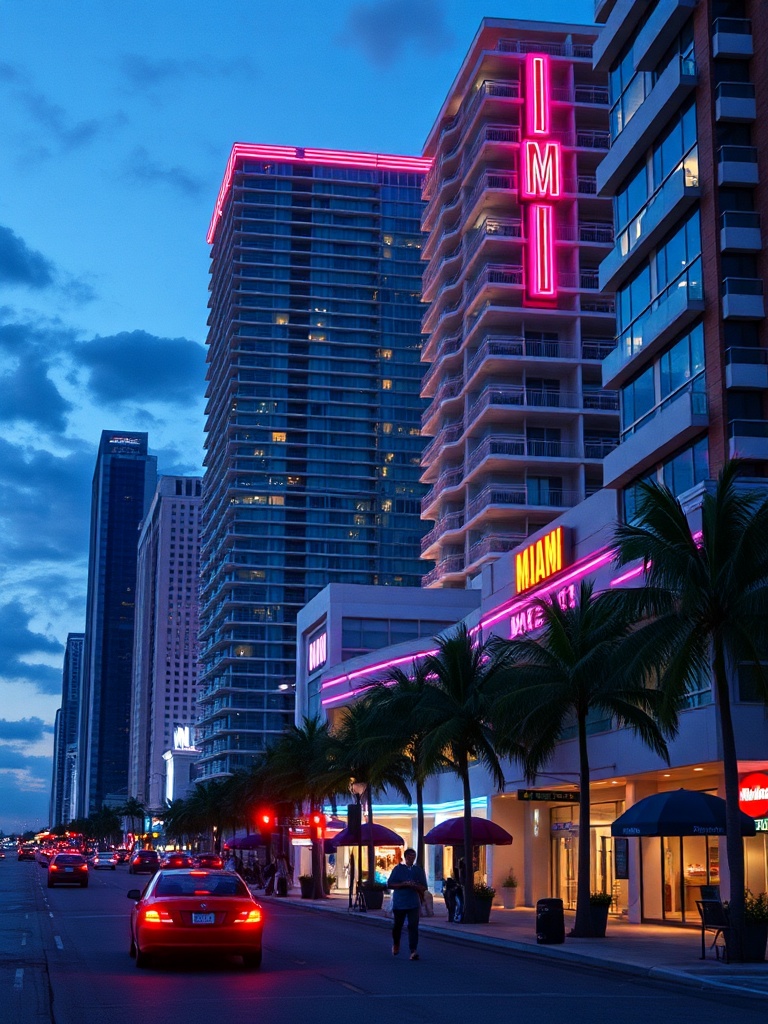
– Brickell and Downtown: The financial and business hub with high-rise living, riverfront parks, and an expanding restaurant scene.
– Coconut Grove and Coral Gables: Greener, quieter neighborhoods that appeal to families and those seeking historic architecture and tree-lined streets.
Food and culture
Miami’s food scene is a melting pot: Cuban and Caribbean flavors sit alongside Latin American, Haitian, and global fusion offerings. Farmers markets, food halls, and chef-driven restaurants have made dining a primary attraction.
Cultural institutions and public art programs keep the creative calendar full, with major art fairs and neighborhood gallery nights drawing local and international audiences.
Getting around
Traffic can be a consideration, so mixing transport modes is smart.
Metrorail and local transit can move travelers around core areas, while rideshares and scooters fill in last-mile gaps. For visitors, staying within a compact neighborhood reduces the need for driving and highlights walkability.
Real estate and practical considerations
The market moves quickly, with demand for condos and waterfront properties often high. For buyers and renters, pay attention to elevation, flood-risk maps, and insurance costs—these affect both long-term affordability and day-to-day peace of mind. Buildings with hurricane-ready design features, backup power, and good drainage systems tend to hold value better and offer more comfort during storm season.
Climate adaptation and resilience
Miami is one of many coastal cities investing in resilience. Public and private projects focus on raised infrastructure, stormwater management, and seawall upgrades. Neighborhoods are experimenting with green solutions—urban trees, permeable pavement, and upgraded pump systems—to manage periodic flooding while preserving coastal access.
Outdoor and day-trip options
Beyond beaches, outdoor options include kayaking or paddleboarding in Biscayne Bay, exploring botanical gardens and historic estates, and quick trips to nearby natural preserves for airboat tours and wildlife viewing. The region’s mild winters and abundant sunshine make outdoor activities accessible for much of the year.
Tips for visitors and newcomers
– Check your accommodation’s flood-preparedness policies if staying near the water.
– Explore neighborhoods on foot to get a genuine feel for local life.
– Try small, family-run eateries as well as chef-driven restaurants for the full culinary range.
– If relocating, talk to local real estate professionals about long-term insurance and resilience plans.
Miami’s mix of culture, commerce, and coastline keeps it in motion. For those who adapt to its pace and planning needs, it offers a vibrant, multifaceted urban lifestyle that continues to evolve.
