Why Fort Lauderdale Is More Than a Beach Town: Culture, Canals, and Coastal Living
Fort Lauderdale has long drawn visitors for its wide beaches and warm water, but the city’s appeal goes far beyond sunbathing. Today it’s a vibrant coastal center where boating culture, arts districts, dining scenes, and strategic resilience planning converge to create a compelling year-round destination for residents and visitors alike.
A city of waterways
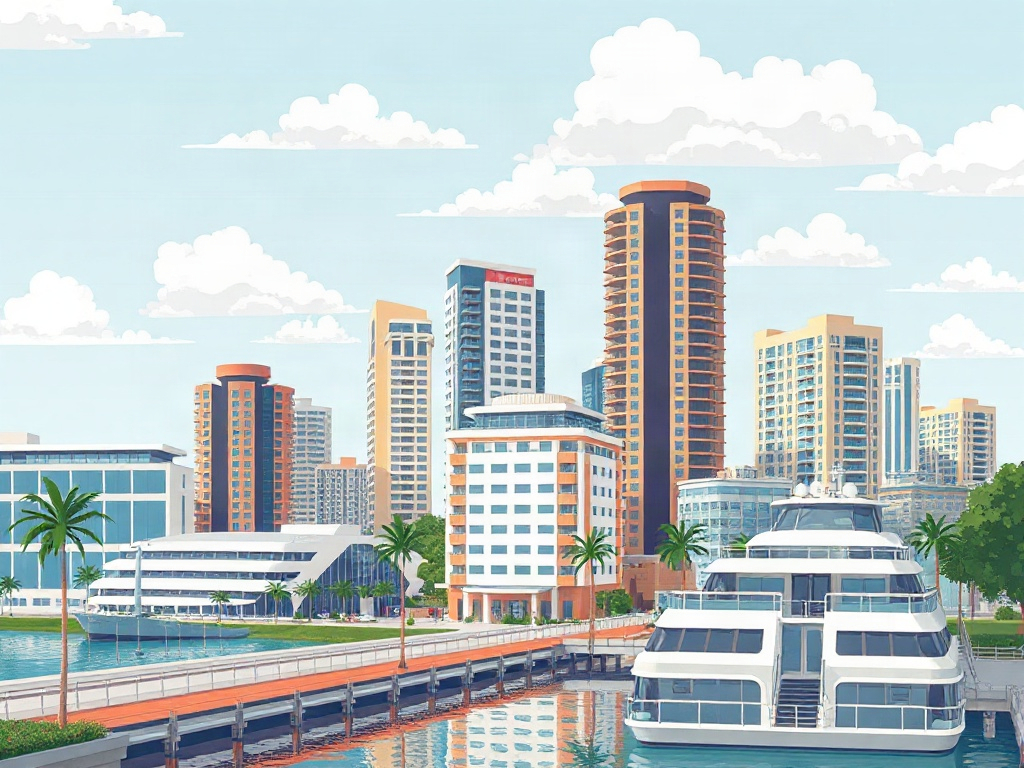
Nicknamed the “Venice of America,” Fort Lauderdale’s extensive canal system defines its character. Boating and yachting are everyday activities—private docks, marinas, and boat rentals make it easy to explore the Intracoastal Waterway and nearby barrier islands.
Water taxis and guided cruises offer scenic ways to see luxury waterfront homes, mangroves, and marine wildlife without needing a vessel of your own.
Las Olas and walkable neighborhoods
Las Olas Boulevard remains the heartbeat of downtown life, lined with boutiques, galleries, and alfresco restaurants. Beyond Las Olas, neighborhoods such as Flagler Village and the Riverwalk area have grown into walkable hubs with craft breweries, coffee shops, and pop-up markets. Civic green spaces and a revitalized Riverwalk connect cultural venues, making it simple to craft a day that blends shopping, dining, and outdoor time.
Arts and culture
The city’s arts scene has expanded, with independent galleries in arts districts and established institutions presenting rotating exhibitions and public programming. Performance venues host theater productions, concerts, and community events that appeal to diverse tastes. Street murals and art walks add visual energy to formerly industrial corridors, turning them into creative destinations.
Beaches, parks, and outdoor life
Fort Lauderdale’s beaches are a major draw, but nearby parks offer another side of coastal life.
Urban greenways, beachfront promenades, and protected preserves provide opportunities for hiking, paddleboarding, and birdwatching. Nature lovers can balance lively beach days with quieter exploration of dune systems and tidal habitats.
Dining and nightlife
A dynamic culinary scene blends South Florida flavors with global influences. From seafood-focused eateries along the water to intimate bistros and late-night cocktail bars, options suit casual brunches and special-occasion dinners alike.
Nightlife ranges from relaxed beachfront lounges to lively music venues and rooftops that showcase city and water views.
Port activity and travel connections
Port Everglades is a major gateway for cruise passengers and commercial shipping, helping shape the local hospitality economy. Airports and ground transportation offer convenient access for regional travelers, while public transit and emerging mobility options make it easier to navigate the city without a car.
Resilience and smart growth
Fort Lauderdale’s coastal location brings particular challenges, notably rising water and stronger storms. Municipal and community efforts focus on resilient infrastructure—improved stormwater systems, shoreline stabilization, and green infrastructure projects—to reduce flood risk and protect neighborhoods. Thoughtful development emphasizes walkability, mixed-use spaces, and preserving natural buffers that support long-term livability.
Planning a visit or settling in
Whether visiting for a weekend or considering relocation, think about what matters most: beachfront living, a boating lifestyle, cultural amenities, or a walkable urban neighborhood. Timing activities with local events, farmers’ markets, and gallery nights can reveal neighborhoods at their liveliest.
Fort Lauderdale continues to evolve, balancing a love of the water with practical investments in resilience, culture, and placemaking. That combination makes it more than a destination—it’s a coastal city with layers to explore.