
Fort Lauderdale: A Vibrant Coastal City That Balances Boating, Beaches, and Urban Culture
Fort Lauderdale’s mix of sun-soaked beaches, scenic waterways, and evolving cultural scene makes it a compelling destination for weekend escapes and longer stays. Known for its boating culture and walkable neighborhoods, the city offers a blend of outdoor recreation, dining, and arts that suits solo travelers, families, and business visitors alike.
Why visitors keep coming back
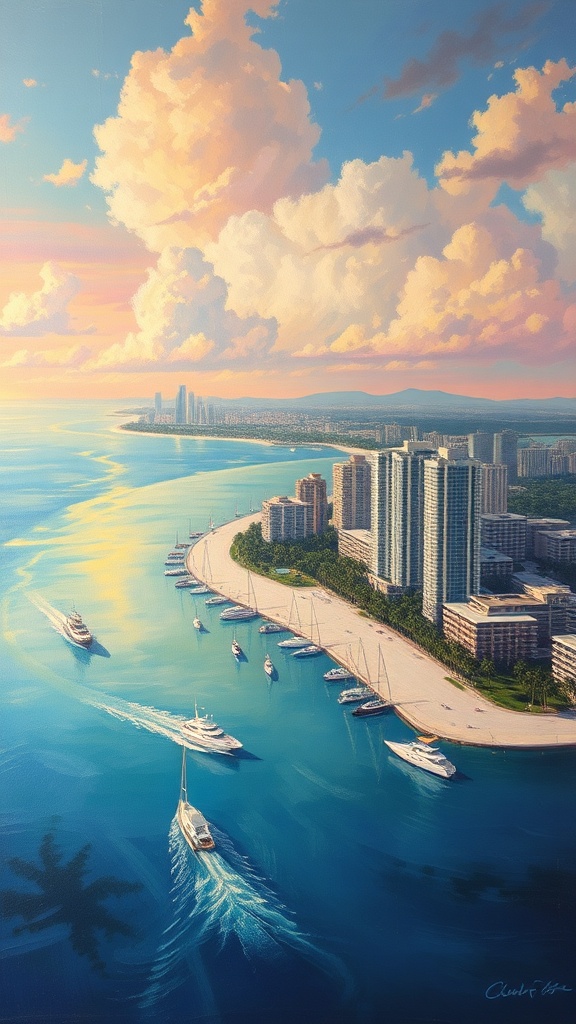
Water is the city’s defining feature. Miles of sandy shoreline deliver classic beach days with calm surf, while an extensive network of canals and the Intracoastal Waterway create a boating playground often called the “Venice of America.” Popular water activities include paddleboarding, kayaking through mangrove inlets, snorkeling near natural rock formations, and chartering a boat for a sunset cruise.
Walkable neighborhoods and dining
Las Olas Boulevard is the heart of the city’s urban life. Lined with boutiques, art galleries, and diverse restaurants, it’s ideal for afternoon strolling followed by waterfront dining. Nearby Riverwalk Arts & Entertainment District combines green space with cultural institutions, offering an easy route between museums, theaters, and cafés.
Arts, culture, and events
The city’s cultural calendar blends museum exhibitions, live music, and community festivals that highlight regional artists and culinary talent. Contemporary galleries and public art installations add color to downtown corridors, while independent theaters stage everything from classical performances to experimental works.
Many venues prioritize local talent, making it simple to experience homegrown creativity.
Outdoor recreation and eco-tourism
Proximity to the Everglades and coastal estuaries makes the area a hub for eco-conscious tourism. Guided airboat tours, birdwatching excursions, and conservation-focused boat trips help visitors understand fragile coastal ecosystems.
Local outfitters emphasize responsible wildlife viewing and explain steps being taken to protect seagrass beds, mangroves, and native species.
Practical travel tips
– Getting around: The city’s walkable districts and water taxis reduce the need for a car in many central areas. Rideshare services are widely available for longer trips.
– Beach essentials: Bring reef-safe sunscreen and a reusable water bottle; shade can be limited on public stretches.
– Plan for weather: Summer afternoons can see brief showers; scheduling outdoor activities in the morning often avoids the hottest, wettest part of the day.
– Parking: Street meter apps and municipal lots make parking manageable, but popular spots fill early on holiday weekends.
Sustainability and resilience
Local leaders and community groups are investing in forward-looking strategies to protect coastal neighborhoods. Initiatives include beach renourishment, green infrastructure to manage stormwater, and habitat restoration projects aimed at preserving the coastline and urban waterways. Many businesses support these efforts through sustainable practices, from reducing single-use plastics to sourcing local ingredients.
Why it’s worth a visit
Fort Lauderdale’s combination of accessible beaches, vibrant dining, and a growing arts scene make it a smart choice for travelers who want a coastal city with variety. Whether you’re exploring calm canals by paddleboard, browsing galleries on Las Olas, or sampling fresh seafood at a waterfront table, the city offers experiences that feel both relaxing and distinctly Floridian.
For a refreshed coastal escape that mixes outdoor adventure with urban comforts, Fort Lauderdale remains an engaging and approachable destination.
