
Fort Lauderdale blends blue-water lifestyle, cultural pockets, and outdoor adventure into a compact coastal city that rewards both short visits and extended stays. Known for sun-splashed beaches and an extensive inland waterway system, the city is a top pick for people who love boating, dining al fresco, and exploring arts and nature without the long commutes of larger metros.
Why Fort Lauderdale stands out
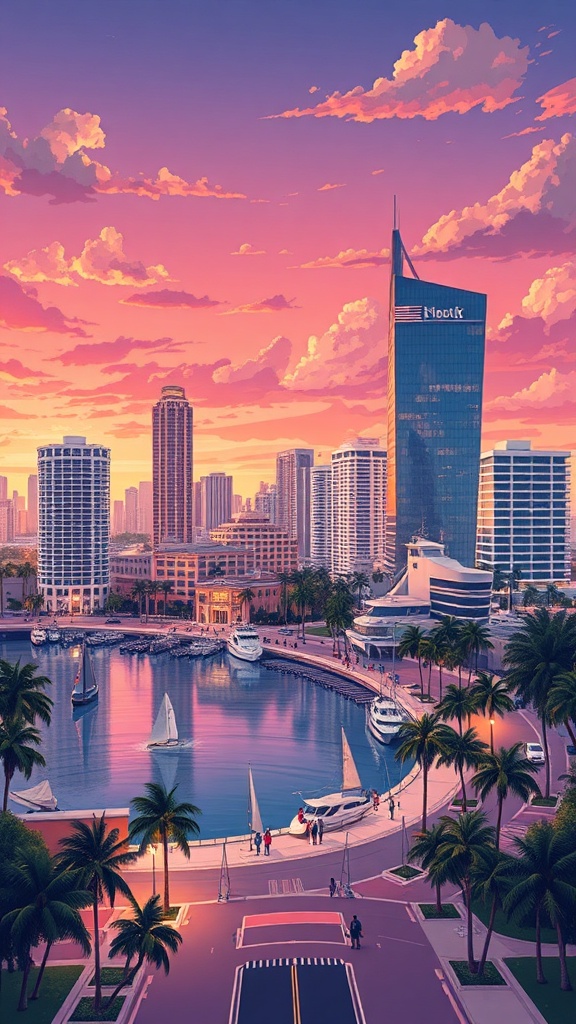
– Boating and waterways: With miles of navigable canals linking the Intracoastal Waterway to the Atlantic, Fort Lauderdale has earned a reputation as a boating capital. Private charters, rental boats, and public water taxis make it easy to experience waterfront dining, island hopping, or a sunset cruise.
– Walkable neighborhoods: Las Olas Boulevard is the city’s social spine—lined with boutique shops, galleries, and restaurants that balance casual cafés with fine dining. The Riverwalk Arts & Entertainment District anchors downtown with parks, performance venues, and year-round programming.
– Outdoor escapes: Beyond the sand, green spaces such as Hugh Taylor Birch State Park provide dune forests, bike trails, and canoe launches tucked between the ocean and the Intracoastal. For wildlife and wide-open wetlands, Everglades airboat tours depart nearby for up-close glimpses of regional ecosystems.
– Arts and culture: A growing creative scene centers on FATVillage, where galleries, pop-up shows, and monthly art walks spotlight local talent. Museum offerings include coastal history, modern and contemporary art, and historic home tours at properties set on landscaped grounds.
– Port and events: Port Everglades functions as both a major cruise gateway and a commercial port, bringing visitors and international commerce.
The city is also known for large-scale boating and lifestyle events that attract enthusiasts from around the globe.
Practical local tips
– Getting around: Water taxis provide scenic short hops between waterfront districts, while bike-share and scooter options make short trips convenient. Downtown remains highly walkable; expect limited free parking near popular corridors.
– Where to eat: Waterfront dining is a must—look for outdoor seating and menus that highlight fresh seafood and Latin Caribbean influences. For a quieter experience, explore side streets off Las Olas for neighborhood cafés and bakeries.
– Beaches and safety: Lifeguard-protected zones are available on main beach stretches, but it pays to follow posted advisories about rip currents.
Sunscreen, a hat, and a reusable water bottle keep beach days comfortable and sustainable.
– Planning outdoor activities: For airboat rides or eco-tours, bring insect repellent and a light layer for early-morning departures when wildlife activity is highest. When renting boats, check local regulations and tide information to ensure a safe outing.
Sustainability and growth
Sustainability initiatives are becoming more visible, from dune restoration projects that protect beaches to municipal efforts aimed at improving stormwater management and walkability. Real estate and hospitality development continue to focus on balancing growth with the coastal environment, promoting green building practices and resilient infrastructure.
Why visitors keep coming back
Fort Lauderdale’s appeal is its variety: a day of beachfront relaxation can easily turn into an evening of gallery-hopping and waterfront dining. For travelers seeking active outdoor options, a vibrant culinary scene, and a marina-centric lifestyle, this coastal city delivers an approachable blend of leisure and local flavor.
Whether arriving for a weekend or settling in for longer, the city offers a compelling mix of sun, sea, and culture.
