Jacksonville Riverfront Revival: St. Johns Waterfront Becomes Walkable, Resilient & Vibrant

Jacksonville’s riverfront has been quietly transforming into one of the region’s most compelling urban chapters — a place where waterfront parks, mixed-use developments, and climate-smart design meet a growing appetite for walkable city living. For residents and visitors alike, the St. Johns River remains the spine of the city, and the push to make the riverfront more accessible is shaping how Jacksonville moves, works, and plays.
What’s changing on the waterfront
Efforts to reconnect downtown neighborhoods to the river have prioritized pedestrian access, outdoor public spaces, and new residential and commercial uses. Riverwalk extensions, upgraded parks, and thoughtfully sited developments are drawing more activity to the banks of the St.
Johns. A mix of dining, cultural programming, and entertainment venues now complements longstanding civic anchors, turning afternoons by the river into a full-day experience.
Economic and community benefits
Riverfront revitalization fuels ripple effects across the local economy.
New office and residential projects attract talent while supporting small businesses and hospitality. The port remains a major economic engine for the region, and its proximity to downtown underscores Jacksonville’s logistical strengths. Importantly, public investments in parks and plazas boost quality of life, making the city more attractive to employers and remote workers who prize urban amenities with easy access to nature.
A focus on resilience and livability
Given Jacksonville’s coastal location, projects along the riverfront increasingly incorporate resilience measures. Planners and developers are using a mix of green infrastructure — rain gardens, permeable paving, and expanded tree canopy — along with raised walkways and adaptive building designs to manage stormwater and mitigate flood risk.
These approaches enhance daily livability while preparing public space for more extreme weather patterns.
Culture, recreation, and connectivity
The riverfront’s improvements make cultural destinations easier to enjoy on foot or by water. River taxis and pedestrian bridges help stitch neighborhoods together, and regular programming — outdoor concerts, art markets, and food-focused events — activates public spaces. Nearby historic neighborhoods offer boutique shops, galleries, and cafes, creating a seamless day that blends riverfront energy with local character.
Getting there and getting around
Improved wayfinding, bike lanes, and pedestrian-friendly streets encourage people to leave their cars behind. Public transit connections and waterborne transport options make it easier for visitors to reach riverfront destinations from different parts of the city, while parking strategies aim to balance accessibility with the desire for a more walkable urban core.
What to expect when you visit
Plan for a mix of outdoor and indoor experiences.
Start with a stroll on the Riverwalk, stop for a waterfront meal, and explore nearby cultural venues or a riverside park. Look for pop-up events and seasonal markets that showcase local food and makers. Bring comfortable shoes — much of the best riverfront exploration happens on foot — and check local listings for special events and boat tours.
Why it matters
The riverfront’s evolution is about more than new buildings; it’s about redefining how people interact with the city’s greatest natural asset. Thoughtful public spaces, resilient design, and a growing mix of uses are transforming the St. Johns River corridor into an accessible, lively destination that benefits residents, businesses, and visitors alike.
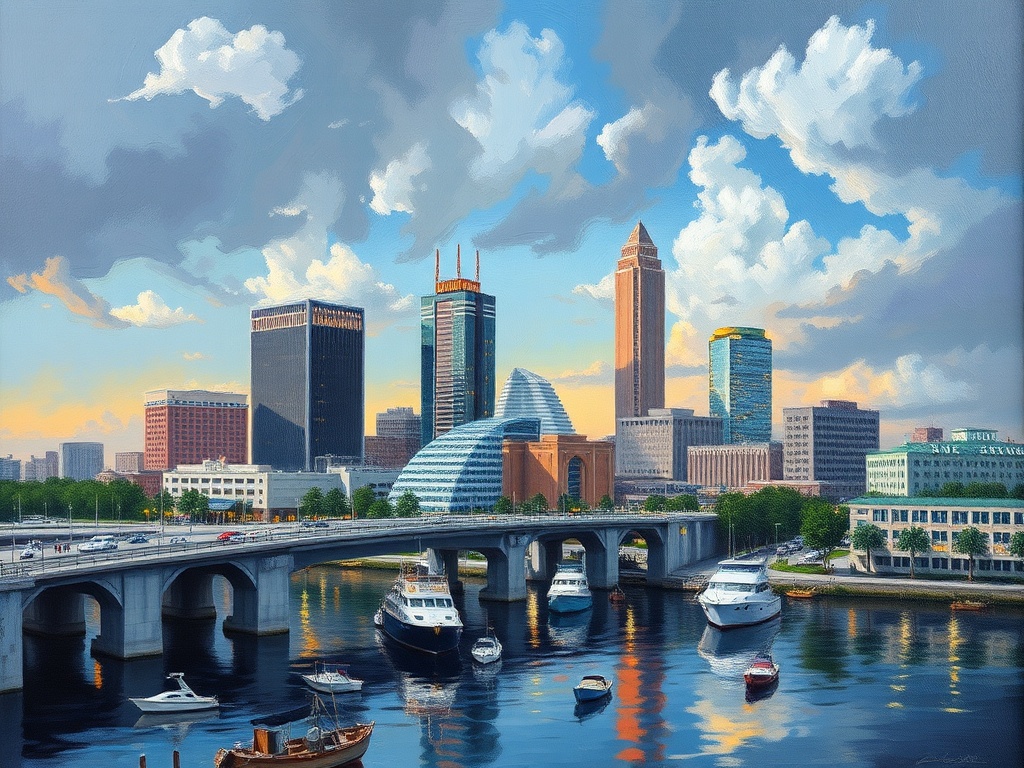
If you’re watching Jacksonville’s urban story unfold, the riverfront is where many of the most visible and meaningful changes are taking place.
