
Miami is many things at once: a global cultural crossroads, a playground of beaches and nightlife, and a city on the front lines of coastal adaptation.
That blend of sun-soaked lifestyle and serious infrastructure work shapes how locals and visitors experience the city today.
Living with water: adaptation and design
Facing regular sunny flooding and stronger storm surges, Miami is rethinking streets, parks, and buildings to cope with rising seas. Expect to see raised streets, improved stormwater pumps, permeable pavements, and landscaping that slows and absorbs runoff.
Mangrove restoration and wetland conservation are central to protecting shorelines while creating valuable wildlife habitat and recreational space. Developers and planners increasingly prioritize resilient design—elevated ground floors, floodproofing, and community-focused green infrastructure—that balances everyday livability with long-term protection.
Neighborhoods and lifestyle
Each neighborhood shows a different side of Miami’s character. Waterfront districts offer boating, paddleboarding, and waterfront dining; art-centric enclaves host galleries and street murals; historic neighborhoods preserve Miami’s architectural memory alongside new infill development.
Bike lanes and pedestrian projects are improving connectivity, while micro-mobility options make short trips easier. For newcomers and long-term residents alike, choosing a neighborhood often comes down to proximity to work, access to open space, and the kind of local scene you enjoy—quiet tree-lined streets, high-energy nightlife, or a mix of both.
Culture, food, and the arts
Miami’s culinary scene reflects its multicultural roots: Cuban cafés and bakeries, Latin American flavors, Caribbean spice, modern seafood, and inventive farm-to-table concepts. Farmers markets and specialty grocers make it easy to discover local produce and artisanal goods. The arts ecosystem is equally dynamic, from contemporary galleries and public murals to performance venues showcasing music, dance, and theater.
Pop-up events, art walks, and neighborhood festivals offer regular opportunities to connect with the city’s creative pulse.
Outdoor recreation and green spaces
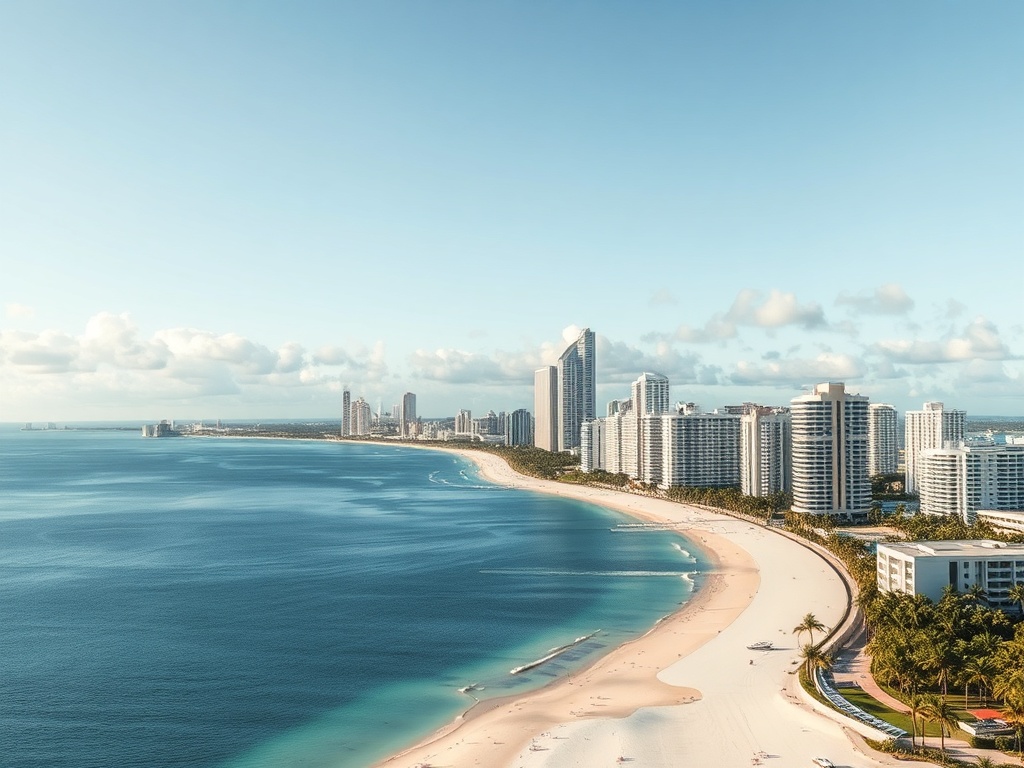
The region’s year-round warmth encourages outdoor living. Beaches and bays provide swimming, sailing, and fishing; urban parks offer trails, playgrounds, and picnic areas; and nearby natural preserves open up kayaking and wildlife viewing. For those interested in active recreation, community centers and waterfront clubs offer classes and rental gear. Green space investments focus not only on recreation but also on stormwater management and heat mitigation by increasing tree canopy and shaded corridors.
Practical considerations for residents and visitors
Weather awareness is essential—short-term heavy rain can impact travel and outdoor plans.
Check local advisories for flood-prone routes and allow extra time for transit during peak travel windows.
For property seekers, flood maps, insurance options, and resilience features are important factors alongside price and location. Supporting local conservation groups and community resilience initiatives is an easy way to contribute to long-term solutions while enjoying the city’s vibrant offerings.
Miami’s appeal comes from the balance of urban energy, cultural richness, and a strong relationship with the water that defines it. Whether you come for food and nightlife, outdoor adventure, or to be part of a community planning for the future, Miami continues to evolve while preserving what makes it unmistakably unique.
