
Everglades ecosystem: why it matters and how it’s changing
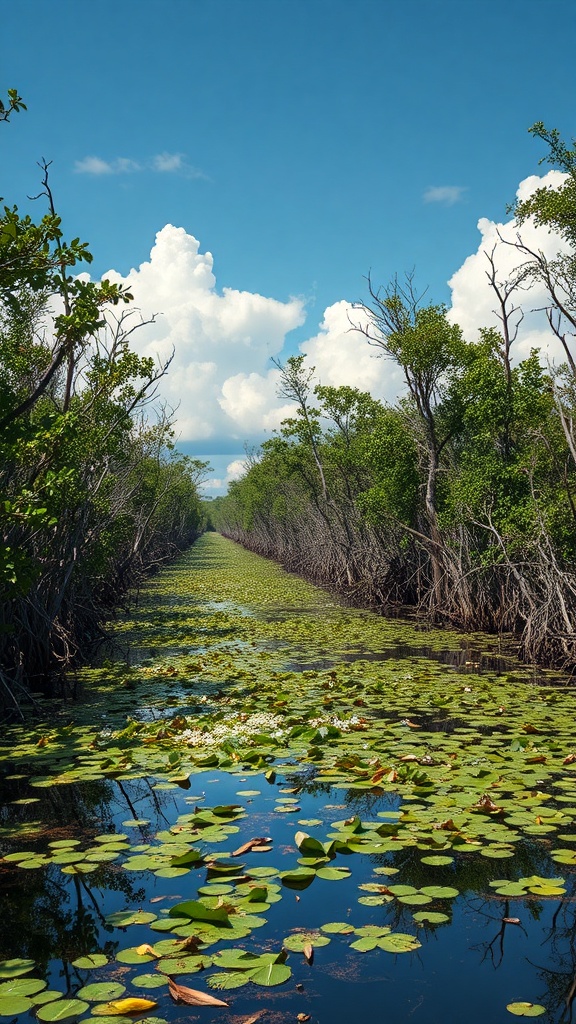
The Everglades is a unique, subtropical wetland system often called the “River of Grass.” Its mosaic of sawgrass marshes, tree islands, mangrove coastlines and bayous supports a remarkable web of life while providing essential ecosystem services—water filtration, storm buffering, carbon storage and habitat for species found nowhere else.
How the Everglades works
Water is the driving force.
Rainfall feeds a slow, shallow sheet flow that moves from the interior toward the coast, nourishing freshwater marshes before mixing with tidal waters at the mangrove fringe. That gentle movement sustains periphyton mats, peat soils and the seasonal pulses that cue breeding, migration and plant growth.
Altering the timing, volume or quality of that flow can ripple through the system, changing habitat conditions and species distributions.
Wildlife highlights
The Everglades supports iconic and rare species. Predators like the American alligator shape wetland structure by creating gator holes that hold water during dry periods, benefiting fish and wading birds.
Endangered and specialized animals—such as certain raptors, wading birds and a secretive wild cat—depend on intact marsh and pineland habitats. Coastal seagrasses and mangroves nurture fish, crustaceans and shorebirds, linking freshwater and marine food webs.
Threats and management
Urban development, water diversion and nutrient runoff from agricultural lands have altered natural flow patterns and water quality. Excess nutrients can fuel algal blooms and invasive plant growth, undermining native communities. Non-native species introduced to the region—both plant and animal—compete with native flora and fauna, changing fire regimes and food webs.
Management combines infrastructure, restoration science and on-the-ground stewardship. Water management projects aim to restore more natural flow, while constructed wetlands and treatment areas reduce nutrient loads before water reaches sensitive marshes. Fire management and habitat restoration work to maintain native plant communities.
Monitoring and research guide adaptive strategies to address emerging threats.
Visiting responsibly
Everglades National Park and surrounding public lands offer hiking, paddling and wildlife viewing. For better wildlife sightings, drier conditions often concentrate animals in remaining water habitats and make trails more accessible; higher water brings dramatic wetlands but also more mosquitoes and limited trail access. Bring insect repellent, carry water, and respect closed areas—many closures protect sensitive nesting sites or ongoing restoration work. Choose guided tours from licensed operators when paddling or using airboats to ensure safety and low-impact recreation.
How to help
Support comes in many forms: learning about regional water policy, donating to reputable conservation organizations, participating in citizen science monitoring programs, and practicing low-impact recreation. Public advocacy for science-based water management and funding for restoration projects also matters.
The Everglades remains a living laboratory and a conservation priority. Restoring more natural water flows, protecting remaining habitat, and engaging communities are central to sustaining the River of Grass for wildlife and people who depend on its services. Visit thoughtfully, learn actively, and support work that keeps this rare landscape resilient.
