Protecting the Everglades: Science-Based Restoration, Top Threats, and How You Can Help

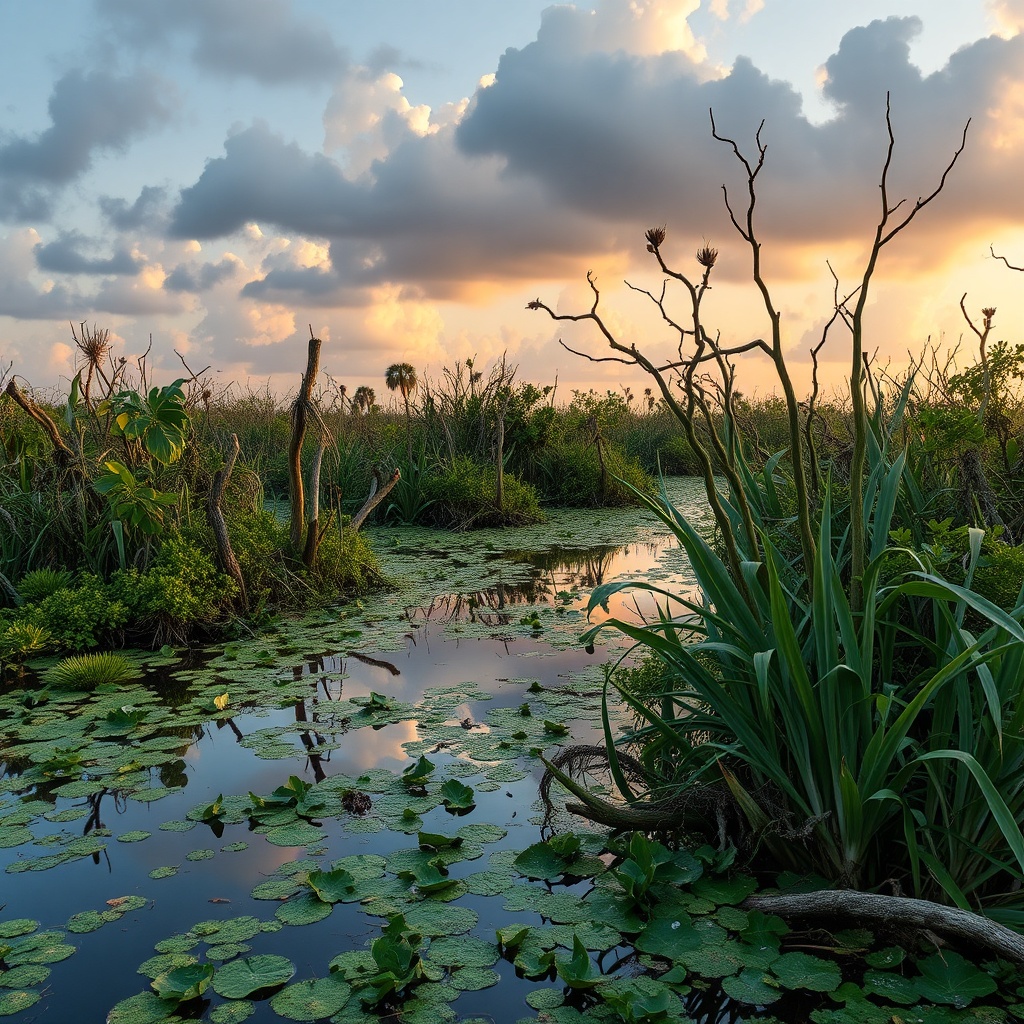
The Everglades is a subtropical mosaic of sawgrass marshes, mangrove forests, and coastal estuaries that supports unique wildlife and supplies fresh water to millions of people. Protecting and restoring this ecosystem is a long-term effort that blends science, policy, and community action—here’s what matters and how you can help.
Why the Everglades matters
The Everglades functions like a giant, slow-moving river that filters water, recharges aquifers, and buffers coastlines from storms. It’s home to iconic species such as the Florida panther, American crocodile, roseate spoonbill, and an astonishing array of wading birds and fish.
Healthy wetlands also support commercial fisheries and tourism, making ecosystem health a direct economic and cultural priority for the region.
Top threats to the ecosystem
– Altered water flow: A network of canals, levees, and flood controls built for urban and agricultural use has changed natural sheet flow, reducing freshwater delivery to estuaries and marshes. Restoring more natural hydrology is essential.
– Water quality: Nutrient runoff—especially phosphorus—from agricultural lands and urban areas fuels harmful algal blooms and shifts plant communities, favoring invasive species over native marsh plants.
– Invasive species: Non-native plants and animals, notably Burmese pythons and invasive aquatic vegetation, disrupt food webs and reduce native wildlife populations.
– Sea-level rise and saltwater intrusion: Coastal mangroves and freshwater marshes face pressure as higher tides push saltwater inland, altering habitat and threatening freshwater supplies.
– Fragmentation and development: Urban sprawl and roadways fragment habitat, limiting movement of wide-ranging animals like panthers and reducing genetic diversity.
Ongoing restoration strategies
Efforts focus on reconnecting water flow, improving water quality, and protecting critical lands.
Key strategies include modifying infrastructure to mimic natural sheet flow, expanding storage and treatment solutions to reduce nutrient loads before water reaches marshes, and protecting upland corridors that support wildlife movement.
Scientific monitoring—using remote sensing, field surveys, and water-quality sampling—guides adaptive management so interventions respond to real-world results.
Wildlife and ecosystem recovery
Targeted actions are showing localized improvements: reduced nutrient inputs and restored flow in priority areas allow native plants and wading birds to rebound. Programs to manage invasive species and protect nesting sites help sustain key populations. Long-term recovery depends on sustained funding, coordinated policy, and continued science-driven management.
How visitors and residents can make a difference
– Reduce fertilizer use and follow local lawn-care best practices to limit nutrient runoff.
– Support responsible tourism: choose licensed guides, follow wildlife-viewing rules, and avoid feeding or approaching wild animals.
– Volunteer with or donate to conservation organizations working on habitat restoration, water-quality monitoring, and invasive species removal.
– Conserve water at home and report pollution or illegal habitat destruction to local authorities.
– Advocate for policies that fund restoration, protect natural flow, and prioritize land acquisition to expand buffers around the park.
The Everglades is resilient but vulnerable. Progress depends on coordinated action across government, scientists, local communities, and visitors. By understanding the main threats, supporting evidence-based solutions, and practicing simple conservation behaviors, everyone can play a role in keeping this extraordinary landscape healthy for generations to come.