
Tampa Bay’s dynamic waterfront and growing cultural scene make it a standout coastal region for visitors and residents seeking a mix of outdoor adventure, dining, and urban living. Whether planning a long weekend or scouting neighborhoods to call home, here’s a practical guide to what makes Tampa Bay shine and how to experience the best of the area.
Waterfront life and outdoor activities
The Bay’s waterfront is the region’s headline asset. The Tampa Riverwalk connects parks, museums, restaurants, and the waterfront promenade for easy walking or biking. Bayshore Boulevard offers one of the longest continuous sidewalks in the country, perfect for jogging and sweeping views of the bay. For calmer water adventures, paddleboarding and kayaking invite exploration of mangroves and hidden inlets; guided eco-tours highlight local wildlife and conservation efforts.
Beaches and boating
Beyond the urban shoreline, the Gulf beaches are a short drive away. Clearwater and St.
Pete beaches provide soft sand and ideal sunset views. Boating is central to life here — private charters, fishing trips, and day sails are readily available from multiple marinas.
For angling enthusiasts, inshore and offshore charters cater to a range of skill levels and goals.
Neighborhoods and urban renewal
Several neighborhoods are drawing attention for smart growth and walkability. Ybor City blends history with nightlife and an expanding culinary scene, while downtown and emerging mixed-use districts showcase modern developments that prioritize public spaces, transit access, and waterfront activation. Waterfront redevelopment projects have emphasized walkable plazas, arts programming, and connectivity between cultural anchors and residential areas.
Food, drink, and cultural attractions
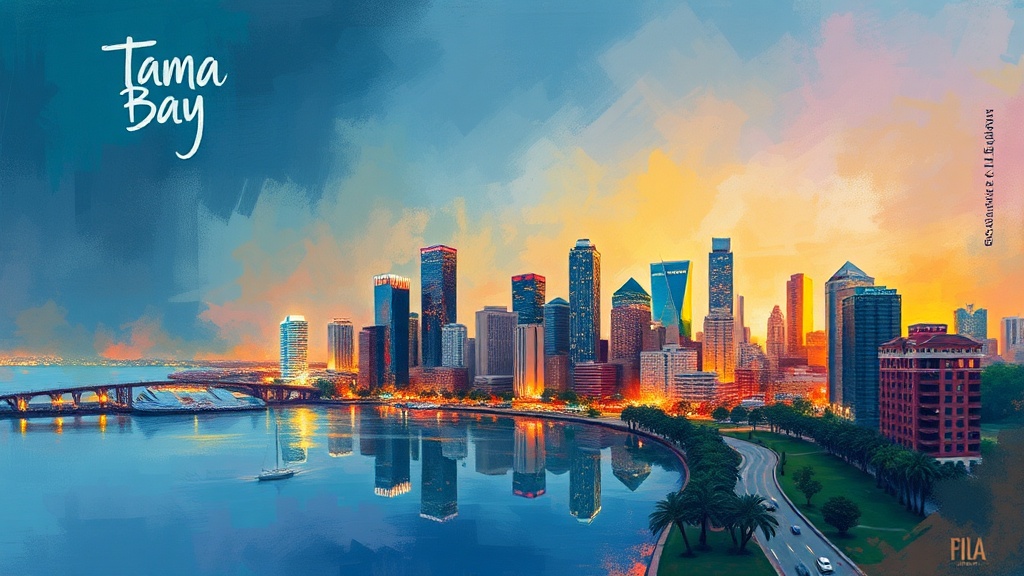
Tampa Bay’s food scene mixes fresh Gulf seafood with globally influenced fare. Farmers markets and waterfront dining offer local catch and seasonal produce. Craft breweries and distilleries have multiplied across the region, making a self-guided tasting tour an appealing weekend plan.
Cultural institutions — museums, performing arts venues, and street murals — add depth to the entertainment landscape, while family-friendly spots like aquariums and science centers make the area accessible for all ages.
Events and local traditions
High-energy festivals and neighborhood events help define local culture. Parades, food festivals, and music series bring communities together and spotlight regional entrepreneurs and artists. Annual boating events and regattas also draw visitors and residents to the waterfront.
Sustainability and resilience
With coastal exposure, Tampa Bay places emphasis on resilience and sustainable planning. Natural shoreline restoration, mangrove protection, and green infrastructure projects aim to safeguard ecosystems and waterfront assets. Developers and civic planners are increasingly integrating flood mitigation and habitat preservation into public works and private developments.
Practical tips for visitors and new residents
– Timing: Early morning or late afternoon is ideal for outdoor pursuits to avoid peak heat.
– Transit: Rideshare and local transit provide easy access between core districts; biking is practical within downtown corridors.
– Reservations: Popular restaurants and weekend boat charters often fill up, so book ahead when possible.
– Packing: Bring sun protection and light rain layers — sudden showers are common during warm months.
– Neighborhood sampling: Spend time in at least two distinct areas (historic, waterfront, beach town) to get a full sense of the region’s variety.
Tampa Bay offers a blend of coastal lifestyle and urban amenities that continues to evolve while staying rooted in its maritime character. Whether focused on outdoor recreation, food and drink, or neighborhood living, the region delivers a rich mix of experiences along and beyond the water.
