
Tampa Bay blends sun-soaked beaches, a lively cultural scene, and a fast-evolving economy — making it a standout destination for visitors and newcomers alike. Whether you’re drawn by waterfront dining, championship-level sports, or a growing tech and healthcare job market, the region offers a mix of old-Florida charm and modern momentum.
What to see and do
– Ybor City: This historic district is known for its brick streets, Cuban cafes, and nightlife. Stroll the sidewalks to find authentic Cuban sandwiches, boutique shops, and a deep cigar-making heritage.
– Riverwalk and Waterfront: The Tampa Riverwalk connects parks, museums, and restaurants along the Hillsborough River. It’s ideal for walking, biking, and waterfront dining.
– Museums and arts: From contemporary galleries to performing arts centers, the area has a rich cultural calendar. Don’t miss waterfront institutions and the acclaimed Dali museum across the bay for a unique art experience.
– Beaches and outdoor recreation: Clearwater and St. Pete beaches are famed for white sand and clear water, while local parks and preserves offer kayaking, birdwatching, and nearshore fishing.
– Theme parks and family attractions: Family-focused options and marine attractions keep visitors engaged, with options that range from thrill rides to hands-on animal encounters.
Dining and nightlife
Tampa Bay’s culinary scene is both rooted and experimental. Seafood is a highlight — think fresh grouper and locally caught specialties — alongside Cuban and Latin flavors carried over from immigrant influences. The craft beer scene is robust, with well-known breweries and dozens of smaller taprooms delivering seasonal brews and tasting flights.
Economy and jobs
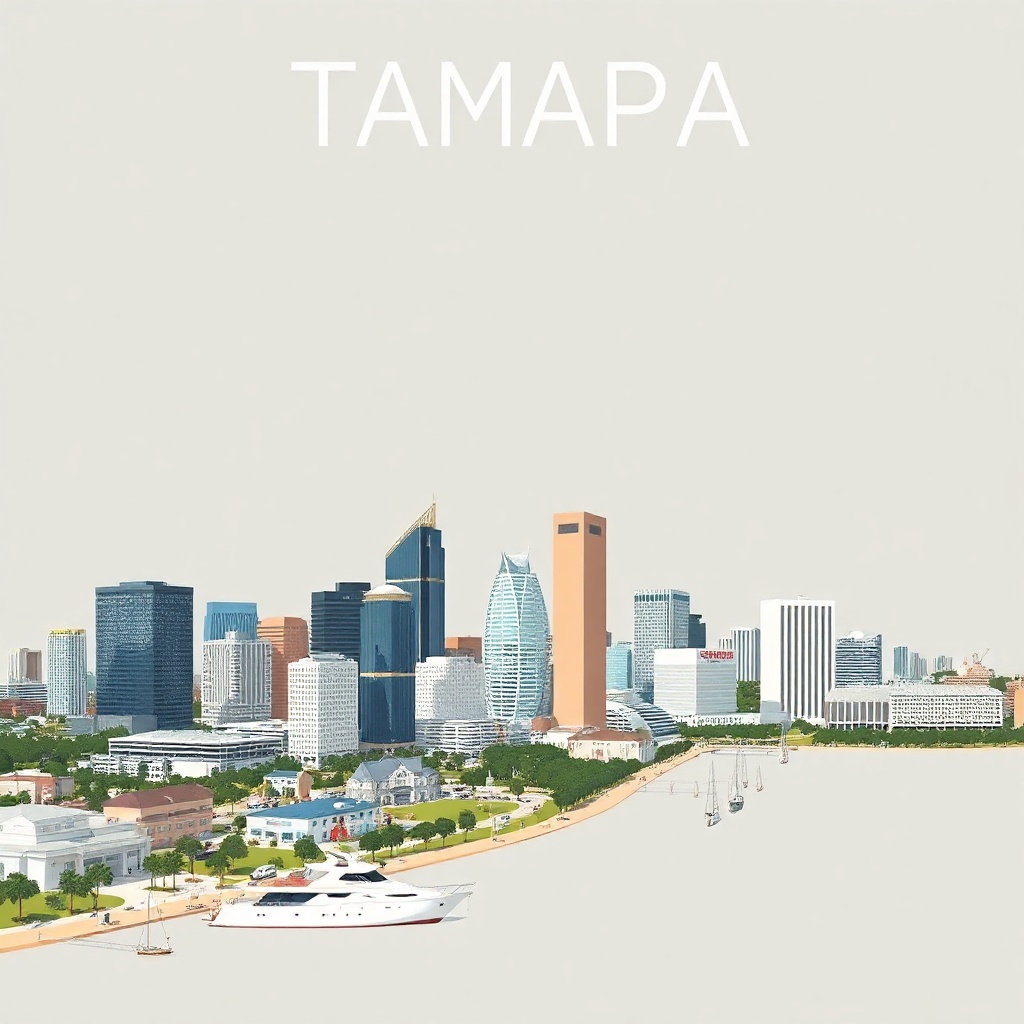
The region has become a magnet for employers across tech, finance, healthcare, and logistics. Major port facilities and a busy international airport support trade and travel, while redevelopment projects and downtown investments are reshaping neighborhoods and adding office, retail, and residential space. The absence of a statewide personal income tax also contributes to talent and business attraction.
Real estate and living
Residential options range from waterfront condos and historic bungalows to suburban communities with modern amenities. Rising demand has pushed development outward as well as into mixed-use urban projects. If you’re house-hunting, focus on neighborhoods that balance access to transit and green space with local services and schools.
Climate and resilience
Like all low-lying coastal regions, Tampa Bay faces challenges from flooding and more frequent storm events.
Local governments and community groups are increasingly investing in resilience — elevating infrastructure, restoring mangroves and wetlands, and implementing stormwater improvements.
Prospective residents and investors should factor flood risk and insurance costs into long-term planning.
Travel tips
– Plan for warm, humid weather and afternoon showers in the wetter months; choose drier months if you prefer more predictable outdoor time.
– Car rental or rideshares are useful for exploring beyond the urban core, though downtown is walkable and bike-friendly in many areas.
– Book popular attractions and restaurants ahead on weekends and during major festivals to avoid long waits.
Why Tampa Bay matters
The region combines natural assets with cultural depth and economic dynamism, creating a compelling mix for travelers, remote workers, and families.
With continuous investment in infrastructure, arts, and environmental resilience, Tampa Bay is positioning itself as a coastal hub that balances lifestyle and opportunity — ideal for exploration, relocation, or a long weekend getaway.
