
Fort Lauderdale: Why the Waterfront Lifestyle Keeps Drawing Visitors and Locals
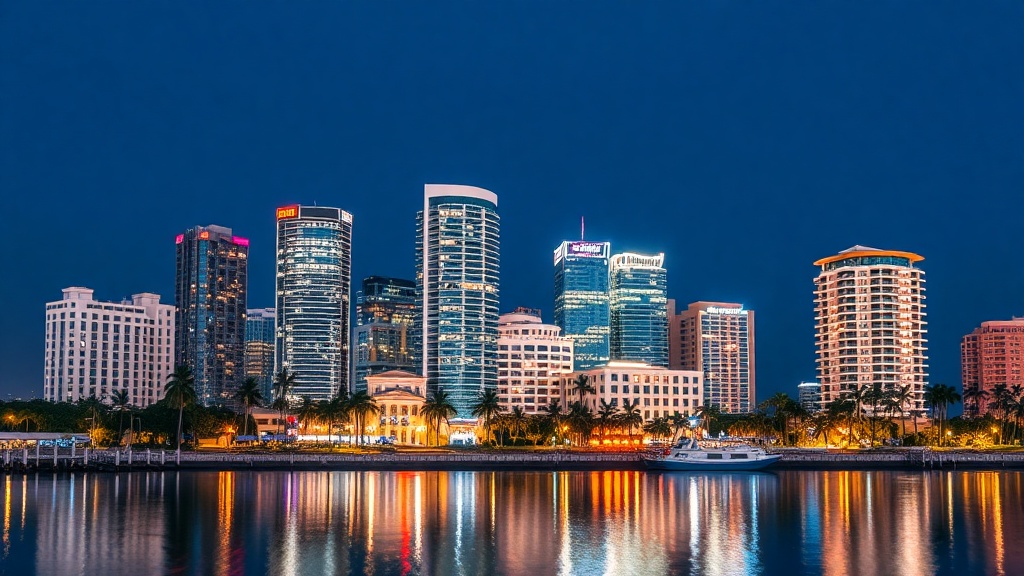
Fort Lauderdale’s identity is tied to water — miles of sandy beaches, an extensive Intracoastal Waterway, and a network of canals that earned it the nickname “Venice of America.” That waterfront culture continues to shape how people live, work, and play here, blending outdoor recreation, dining, arts, and resilience planning into a lifestyle that attracts visitors and supports a strong local economy.
Waterways and boating
Boating remains central. Private boats, yacht charters, and the popular water taxi system make it easy to explore the city from the water. Day cruises and private charters offer sightseeing, fishing, and sunset trips that showcase beachfront skylines, luxury waterfront homes, and the nearby coastal barrier islands.
For visitors, booking ahead is recommended for weekend and holiday periods.
Beaches and outdoor recreation
Wide, walkable beaches and well-maintained beachfront promenades invite sunbathing, swimming, and active pursuits like paddleboarding and kite surfing. Parks such as the beachfront promenade and inland green spaces provide biking and walking paths, while urban waterfront spots host outdoor fitness classes, open-air concerts, and community markets. For a quieter nature experience, coastal preserves and state parks offer trails, birdwatching, and kayaking through mangrove-lined waterways.
Las Olas Boulevard and dining
Las Olas Boulevard is a focal point for dining, shopping, and nightlife. Boutique retailers, art galleries, and an eclectic restaurant scene create a lively, pedestrian-friendly district.
Waterfront dining spots are ideal for seafood and sunset views, and craft cocktail bars and bakeries add to the neighborhood’s appeal.
Local culinary trends emphasize fresh, coastal ingredients and inventive regional flavors that cater to both casual and upscale tastes.
Culture and arts
Fort Lauderdale’s cultural scene includes contemporary museums, historic homes, and a growing public-art presence. Museums feature rotating exhibitions, while independent galleries and street art bring local creativity to life.
Annual festivals and art walks (check local listings) provide chances to discover artists, live music, and food vendors in vibrant outdoor settings.
Sustainability and resilience
Coastal cities face unique challenges, and Fort Lauderdale has prioritized adaptation and sustainability. Efforts focus on shoreline stabilization, green infrastructure, and stormwater management to protect public spaces and infrastructure.
Coastal restoration projects and community-led conservation initiatives aim to balance recreation with habitat protection. Visitors are encouraged to respect local guidelines that protect dunes, seagrass beds, and marine life.
Practical tips for visitors
– Getting around: Ride-sharing, rental bikes, and the water taxi complement car travel, especially in busy districts. The nearby rail connections make regional day trips convenient.
– Where to stay: Choose beachfront hotels for sun and surf, or stay on Las Olas for walkability and dining options. Canal-front accommodations offer a quieter, scenic alternative.
– Book in advance: Popular restaurants, boat charters, and cultural events fill up on weekends and holidays.
– Respect local ecology: Use reef-safe sunscreen, avoid stepping on dunes, and follow posted rules at preserves and parks.
– Safety: Swim near lifeguarded areas, heed posted warnings, and follow standard boating safety practices.
Whether seeking a beach getaway, a boating adventure, or a taste of South Florida’s coastal urban life, Fort Lauderdale continues to offer a lively waterfront experience that balances leisure, culture, and community stewardship.
